


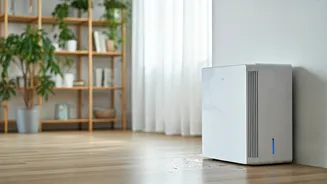




Prioritise Ventilation and Airflow
Your first line of defence against dampness is promoting good airflow. Trapped moisture is the primary cause of mould and musty odours during the rainy season. Make it a habit to open windows and doors for cross-ventilation whenever it is not actively
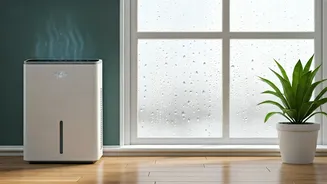
raining. This simple act allows humid air to escape and fresh air to circulate, preventing the stuffy conditions that moisture loves. Additionally, consistently use exhaust fans in kitchens and bathrooms to expel steam and humidity generated from cooking and showering. If you have an air conditioner, running it can also help dehumidify a room.
Use Natural Moisture Absorbers
You don't always need expensive gadgets to combat humidity. Several everyday items found in your kitchen and home can act as effective, low-cost dehumidifiers. Placing bowls of coarse salt or baking soda in damp corners, closets, or bathrooms can help draw moisture from the air. Salt is a natural desiccant, and you can even add a few drops of essential oils like tea tree or eucalyptus for their antifungal properties and fresh scent. Activated charcoal is another excellent option for absorbing both moisture and odours in enclosed spaces like shoe racks and cabinets. For a more traditional Indian approach, camphor and neem leaves are known to repel insects and inhibit mould growth in wardrobes.
Protect Wardrobes, Furniture, and Walls
Wooden furniture and clothes are particularly vulnerable during the monsoon. Wood can swell and warp, while fabrics can develop mildew. To protect them, keep furniture a few inches away from walls to allow air to circulate behind them. Inside wardrobes, use moisture absorbers like silica gel packets, which are often found with new shoes and electronics. Never store clothes that are even slightly damp; ensure they are completely dry before folding them away. For your walls, watch for signs of peeling paint or damp patches. A temporary fix is to mix equal parts white vinegar and water in a spray bottle and mist the affected area to help prevent mould growth.
Address Leaks Immediately
The phrase "quick action" in the headline is most critical when it comes to leaks. A small crack or faulty seal around a window can let in a surprising amount of water, leading to significant dampness. Before the season begins, it's wise to inspect your home's exterior, roof, and window frames for any potential entry points for water. If you spot a leak during a downpour, a temporary fix might be necessary. However, for a lasting solution, identifying and repairing the root cause, whether it's a cracked wall or a blocked drainpipe, is essential once the rain subsides. Don't just paint over a damp spot; it's a sign of a deeper issue that needs professional attention for a long-term fix.
Smart Habits for a Dry Home
Beyond major fixes, small daily habits can make a big difference. Avoid drying clothes inside poorly ventilated rooms, as this dramatically increases indoor humidity. If you must dry them indoors, place them in a room with a fan or an open window. Wipe down condensation from windows and walls promptly. It’s also a good idea to pack away thick rugs and carpets, as they can trap moisture and take a long time to dry, becoming a breeding ground for mildew. Using a good quality doormat and having a designated spot for wet umbrellas and raincoats can also prevent water from being tracked throughout the house.