



Understanding the October Rush
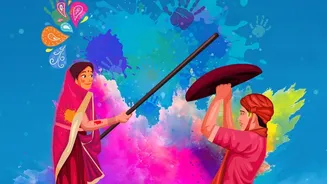
October is the heart of India's festive calendar. This year, the nine nights of Navratri begin around October 11th, culminating in Dussehra on October 20th. These festivals, celebrated with immense enthusiasm across the country, trigger a massive wave
of travel. Families journey to their hometowns, and tourists flock to cultural hotspots like Kolkata for Durga Puja, Gujarat for Garba, and Mysore for its grand Dussehra procession. This convergence of festive and tourist travel means flights, trains, and hotels are in exceptionally high demand, leading to packed services and higher prices. The entire country is on the move, transforming travel from a simple commute into a nationwide event.
Book Well in Advance
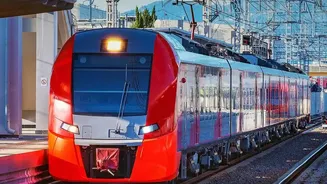
Spontaneity is a luxury you cannot afford during India's festival season. To avoid soaring prices and sold-out signs, booking your travel and accommodation is the most critical step. Experts recommend securing flights, trains, and hotels at least three months in advance, as last-minute availability is scarce and expensive. Train tickets on popular routes are often fully booked weeks ahead of the festival dates. Similarly, hotels in key festival cities—like those in Jaipur, Varanasi, or Kolkata—fill up rapidly. Don't forget to pre-book local transport, such as airport transfers, as even city-level mobility becomes challenging with road closures and heavy traffic.
Packing for Festivities and Crowds
Packing for an October trip requires a blend of practicality and festive flair. While you'll want to join the celebrations, comfort is key for navigating long days and crowded spaces. Pack at least one or two traditional outfits, like a kurta for men or a salwar kameez or saree for women, to respectfully participate in local events. However, prioritize loose, lightweight layers and comfortable walking shoes for exploring. Modesty is often appreciated, so clothes that cover the shoulders and knees are a wise choice for visiting religious sites. Also, include a small first-aid kit with basic medicines, hand sanitiser, and sunscreen. Given the potential for noise and pollution, especially in larger cities, consider packing earplugs and a face mask.
Navigating Crowded Spaces Safely
Indian festivals are known for their massive, energetic crowds, which can be overwhelming if you're unprepared. Personal space is often minimal in festival venues, temples, and markets. To stay safe, be mindful of your surroundings and belongings. Keep valuables like your passport and excess cash secure in your hotel, and use a money belt or a secure bag for essentials. It's also wise to familiarise yourself with the entry and exit routes of any crowded venue you visit. If you're attending a large event like a pandal viewing in Kolkata, consider going during off-peak hours, such as earlier in the day or evening, to avoid the biggest crowds. While the atmosphere is generally joyous, maintaining awareness is crucial for a positive experience.
Embrace the Spirit, but Plan Your Itinerary
The best way to experience festival season is to immerse yourself in the local culture. Instead of just sightseeing, participate in the traditions. Witness the grand Ramlila performances in Delhi, enjoy the dazzling dhunuchi naach (incense dance) in Kolkata, or even try a few Garba steps in Gujarat. However, to make the most of it, plan your daily itinerary. Research the main event timings and locations in advance. Using local transport like auto-rickshaws can be a smart way to navigate areas with traffic restrictions. A local guide can also offer invaluable insights and help you navigate the logistics, turning a potentially chaotic trip into a deeply memorable cultural journey.