



The Captains' Club of 183
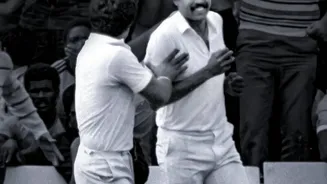
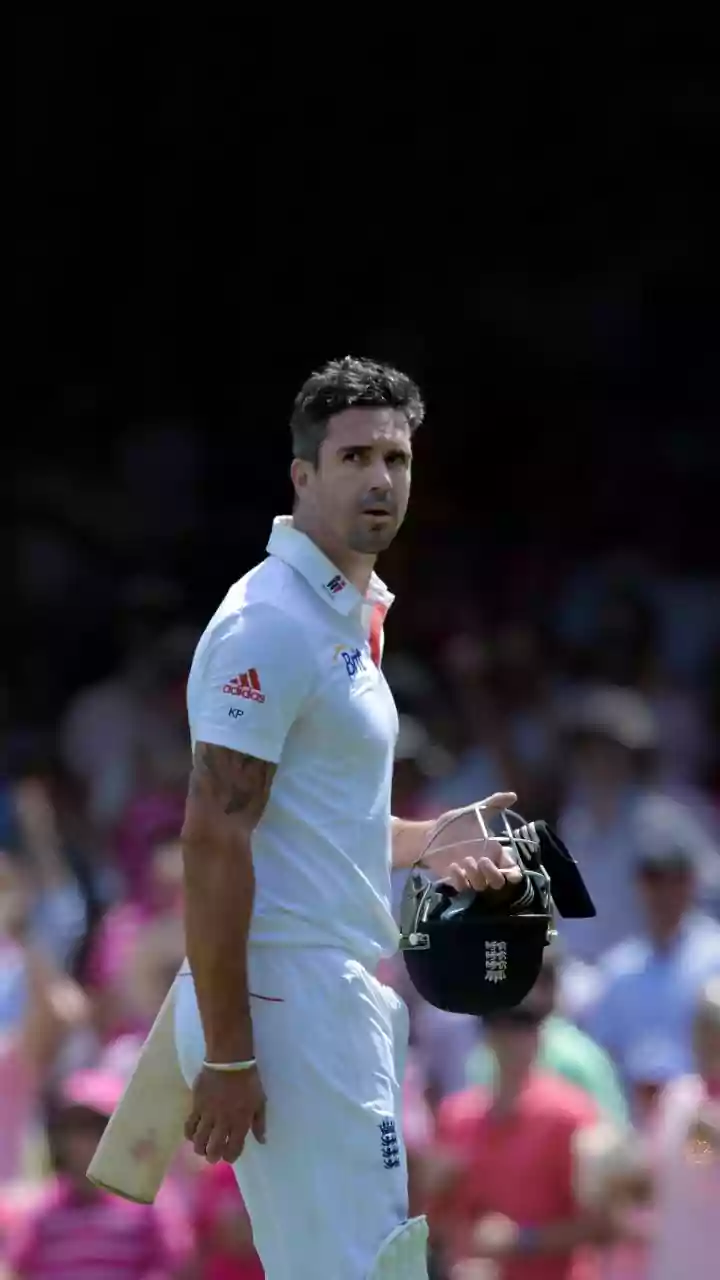
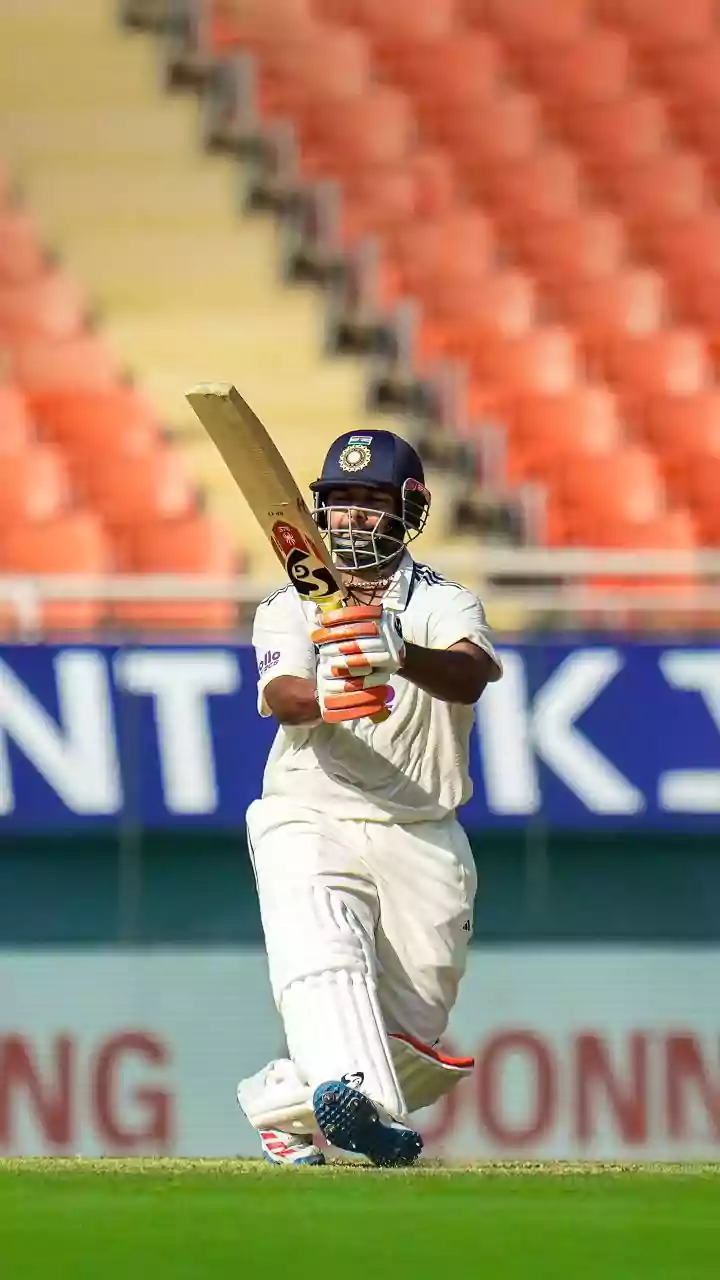
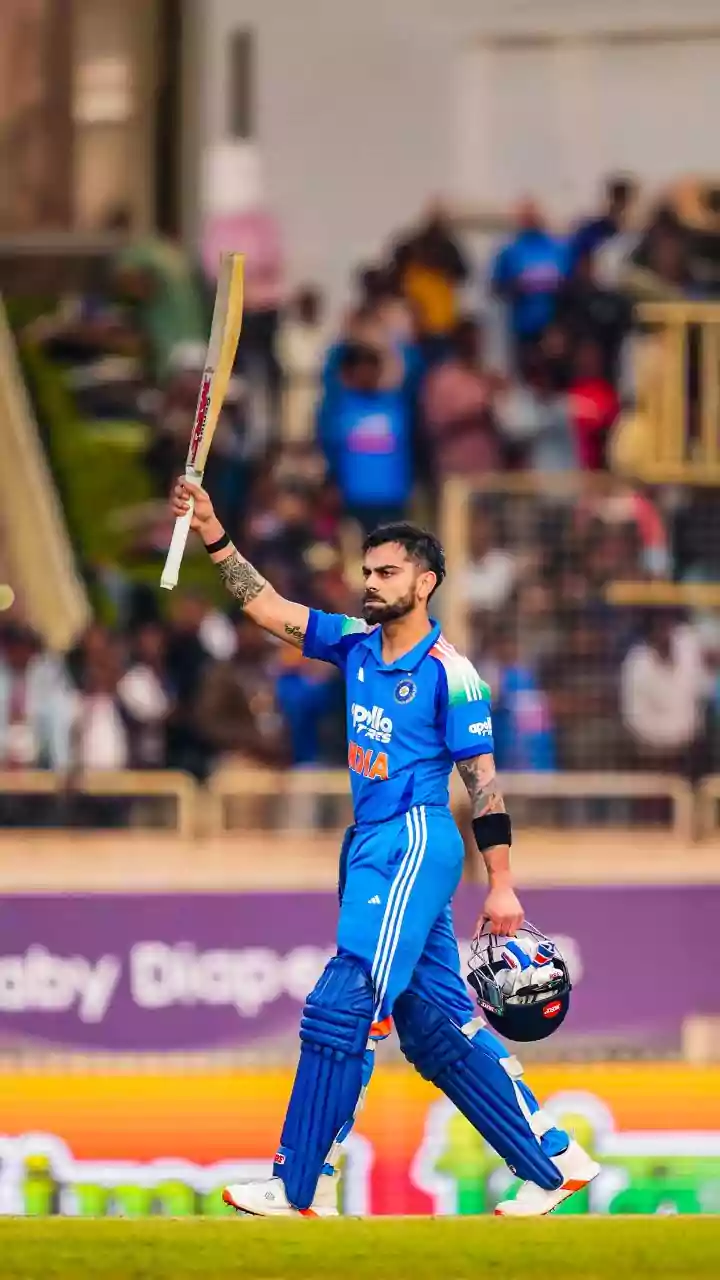
The number 183 holds a unique, almost mystical significance for Indian cricket captaincy. In a remarkable alignment of stars, three of India's most celebrated modern-day captains share this exact number as their highest score in One Day Internationals.
Sourav Ganguly, the man credited with rebuilding Indian cricket, first hit the mark with a blistering 183 against Sri Lanka during the 1999 World Cup. Six years later, in 2005, a young, long-haired MS Dhoni announced his explosive arrival by smashing an unbeaten 183, also against Sri Lanka, to seal a memorable run-chase. Then, in 2012, Virat Kohli, the heir apparent, played one of the greatest ODI innings of all time, scoring 183 against arch-rivals Pakistan to master a chase of 330. Three different players, three different eras, but all future captains united by one iconic score.
MS Dhoni's Déjà Vu Centuries
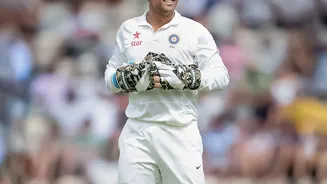
If the number 183 connects MS Dhoni to other legends, the number 148 is a coincidence that is entirely his own. In April 2005, playing in just his fifth ODI, Dhoni hammered the Pakistani bowling attack to score his maiden international century in Visakhapatnam. The score was a swashbuckling 148. This innings catapulted him from a promising newcomer to a national sensation. Less than a year later, in January 2006, Dhoni was on tour in Pakistan for a Test series. He walked to the crease in Faisalabad and, in a display of remarkable consistency and power, scored his maiden Test century. His score? Exactly 148. To score the same runs for your first hundred in both formats, against the same fierce rival, is a statistical anomaly that seems scripted.
The Fateful Advice for a Young Sachin
In 1987, a young, aspiring cricketer from Mumbai travelled to the MRF Pace Foundation in Chennai, hoping to become a fast bowler. He was observed by the legendary Australian pacer Dennis Lillee, who was the director of the foundation. After watching the boy bowl, Lillee offered some blunt advice: forget about fast bowling and just focus on your batting. That boy was Sachin Tendulkar. Lillee's rejection, which he later joked was his greatest service to the game of cricket, set Tendulkar on a path to becoming the most prolific run-scorer in the history of the sport. It’s a classic what-if scenario; a single piece of advice that changed the destiny of a player and, with it, the course of Indian cricket history.
The December 6th Birthday Crew
Astrology enthusiasts might have a field day with this one. An improbable number of key Indian cricketers all share the same birthday: December 6th. The list includes three of the most vital cogs in the modern Indian team: star all-rounder Ravindra Jadeja, pace spearhead Jasprit Bumrah, and dynamic middle-order batsman Shreyas Iyer. But the coincidence doesn't stop there. Former Indian pacer RP Singh and Karun Nair, only the second Indian to score a triple-century in Test cricket, were also born on the same day. For so many prominent players from different eras and disciplines to share a birthday is a quirky footnote in the annals of Indian cricket.
Sachin's Career Bookended by Debuts
Sachin Tendulkar’s career is filled with records, but a strange coincidence links its beginning and its end through the achievements of others. When Tendulkar made his Test debut in 1989, Pravin Amre and Narendra Hirwani were the last two Indian players to have won the Man of the Series and Man of the Match awards on their Test debuts, respectively. Fast forward 22 years to 2011. Ravichandran Ashwin made his Test debut in a match against the West Indies in Delhi. Not only did Ashwin receive his Test cap from Tendulkar, but he also went on to win the Man of the Match award in his very first Test and the Man of the Series award for his overall performance. This feat made him the first Indian since those who started around Sachin's own debut to achieve such accolades, creating a poetic symmetry between the dawn and twilight of a legendary career.