



More Than Just No Shoes
Barefoot hiking is exactly what it sounds like: walking through nature without any footwear. For proponents, it's about more than just saving the weight of boots; it’s a practice of 'grounding' or 'earthing'. This philosophy centers on the idea of making
direct physical contact with the earth's surface, something modern shoes with their thick synthetic soles prevent. Adherents believe that by shedding this barrier, they can achieve a more profound connection with the natural world, transforming a simple walk into a fully immersive sensory experience. They describe feeling every nuance of the trail—the temperature, humidity, and texture—in a way that is impossible while shod.
A World of Sensation
The most immediate change barefoot hikers report is a dramatic increase in sensory feedback. Our feet have over 200,000 nerve endings, making them incredibly sensitive. When freed from the confines of a shoe, they become powerful tools for information gathering. This enhanced feedback is known as proprioception—the body's awareness of its position in space. By feeling the ground directly, the brain receives a constant stream of detailed information about the terrain, allowing for quicker, more subtle adjustments in balance and gait. Hikers often report feeling more agile and stable, especially on uneven or slippery surfaces, as their feet can naturally grip and conform to the ground in a way a rigid boot cannot.
Potential Physical Benefits
Beyond the sensory experience, advocates claim a range of physical benefits. Walking barefoot forces the small, intrinsic muscles in the feet to work harder, which can lead to stronger, more resilient feet and ankles over time. This can improve overall stability and potentially reduce the risk of common injuries like ankle sprains. Some proponents also argue that barefoot hiking encourages a more natural gait, often shifting from a harsh heel-strike to a softer landing on the midfoot or ball of the foot, which may reduce impact on the knees, hips, and back. While robust scientific evidence on some of the more holistic claims like reduced inflammation is still emerging, the benefits for foot strength and proprioception are widely acknowledged.
Navigating the Obvious Risks
Of course, ditching protective footwear comes with clear and present dangers. The risk of cuts, scrapes, bruises, and puncture wounds from sharp rocks, sticks, thorns, or broken glass is very real. There's also the threat of insect bites, stings, and contact with poisonous plants. Temperature is another major factor; trails can become dangerously hot in direct sunlight, while cold ground can lead to discomfort or even frostbite in extreme conditions. Individuals with certain medical conditions, particularly diabetes or any condition that causes reduced sensation in the feet, should be extremely cautious and consult a healthcare professional before attempting barefoot hiking.
How to Start Your Barefoot Journey
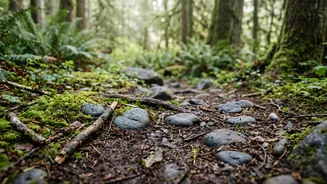
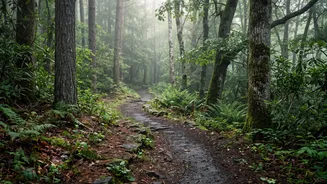
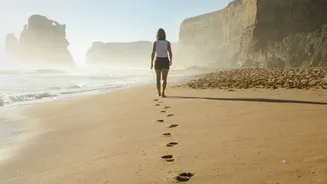
If you're curious to try it, the key is to start slowly and sensibly. Don't attempt a 10-kilometre rocky trail on your first day. Begin with short walks on soft, safe surfaces like a grassy park or a sandy beach to build tolerance. When you do move to a trail, choose a well-maintained path that you can see clearly. Always watch the path several paces ahead to plot a safe course. Step straight down and avoid dragging your feet to minimize the risk of cuts. A great transitional step is to carry a pair of minimalist 'barefoot shoes', which offer a thin layer of protection while still allowing for a high degree of sensory feedback. Above all, listen to your body. Pain is a signal to stop.