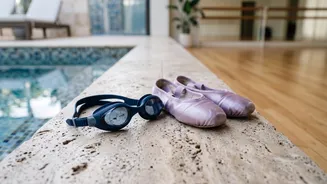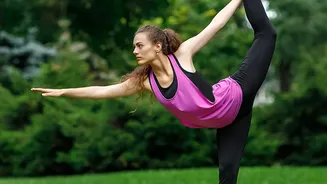





Looking for a workout that feels more like fun than a chore? Swimming and dancing are two fantastic ways to get your heart pumping. They offer a host of benefits for your cardiovascular health, but the secret lies in doing them just right.
Understanding Cardiovascular Exercise
Cardiovascular,
or 'cardio', exercise is any activity that raises your heart rate and gets you breathing harder. When you consistently engage in cardio, you are essentially training your heart to become stronger and more efficient at pumping blood throughout your body. This improved circulation delivers more oxygen to your muscles and organs. Health experts recommend that adults get at least 150 minutes of moderate-intensity aerobic activity or 75 minutes of vigorous-intensity activity each week. This consistent effort can lead to significant long-term benefits, including lower blood pressure, improved cholesterol levels, and a reduced risk of heart disease.
Dive In: Swimming for Heart Health
Swimming is a unique full-body workout that offers powerful cardiovascular benefits without putting stress on your joints. The natural resistance of the water makes your heart and lungs work harder to supply oxygen to your muscles, strengthening them over time. It's an effective way to improve cardiovascular fitness, build endurance, and manage weight. Studies have shown that swimmers may have a significantly lower risk of death from heart disease or stroke compared to non-swimmers. From a leisurely breaststroke to powerful freestyle laps, you can easily adjust your pace and effort to either build endurance or perform high-intensity intervals, making it a versatile choice for all fitness levels. The low-impact nature of swimming also makes it an ideal cross-training activity to prevent overuse injuries from other sports.
Dance Your Way to a Stronger Heart
Dancing is an exhilarating and effective way to boost cardiovascular health. Whether it's a high-energy Zumba class, lively Bhangra, or even just moving to your favourite music at home, continuous rhythmic movement elevates your heart rate and improves circulation. Many forms of dance are considered moderate-to-vigorous aerobic activities, helping to lower blood pressure, reduce 'bad' (LDL) cholesterol, and increase 'good' (HDL) cholesterol. Beyond the physical, dancing offers a powerful mental release, reducing stress and improving mood, which are also crucial factors for long-term heart health. Its social nature provides an added benefit, making exercise feel like a celebration rather than an obligation.
Finding the 'Suitable Intensity'
The key to unlocking the cardio benefits of any exercise is practising at a 'suitable intensity'. But what does that mean? Intensity refers to how hard your body is working. For most health benefits, you should aim for a moderate to vigorous level. There are a few simple ways to gauge this. The 'talk test' is one of the easiest: during moderate-intensity exercise, you should be able to talk, but not sing. During vigorous activity, you'll only be able to manage a few words at a time. Another method is using your heart rate. First, estimate your maximum heart rate by subtracting your age from 220. Moderate intensity is roughly 50–70% of that number, while vigorous is 70–85%. Many smartwatches can track this for you, but paying attention to how your body feels is just as important.
How to Get Started and Stay Consistent
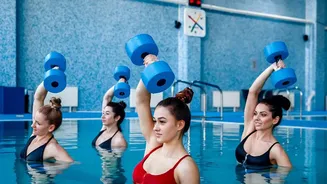
Starting a new fitness routine can feel daunting, but the key is to begin slowly and choose an activity you genuinely enjoy. If you're new to swimming, consider starting with shorter sessions or even taking a water aerobics class to build confidence. For dancing, you can find countless free tutorials online for every style imaginable, from hip–hop to salsa, or join a local class for extra motivation. The goal is to meet the recommended 150 minutes of moderate activity per week, but don't feel pressured to do it all at once. You can break it up into smaller, manageable chunks, like a 30–minute session five days a week. The most effective workout is the one you stick with, so find the rhythm or the stroke that brings you joy, and your heart will thank you for it.