




The Coolest Science in the Universe
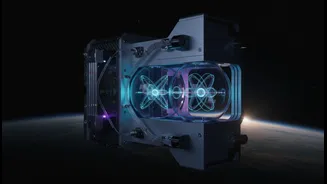
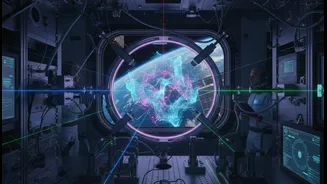
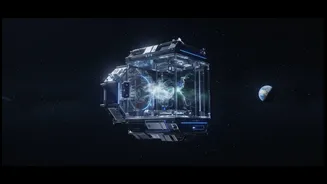
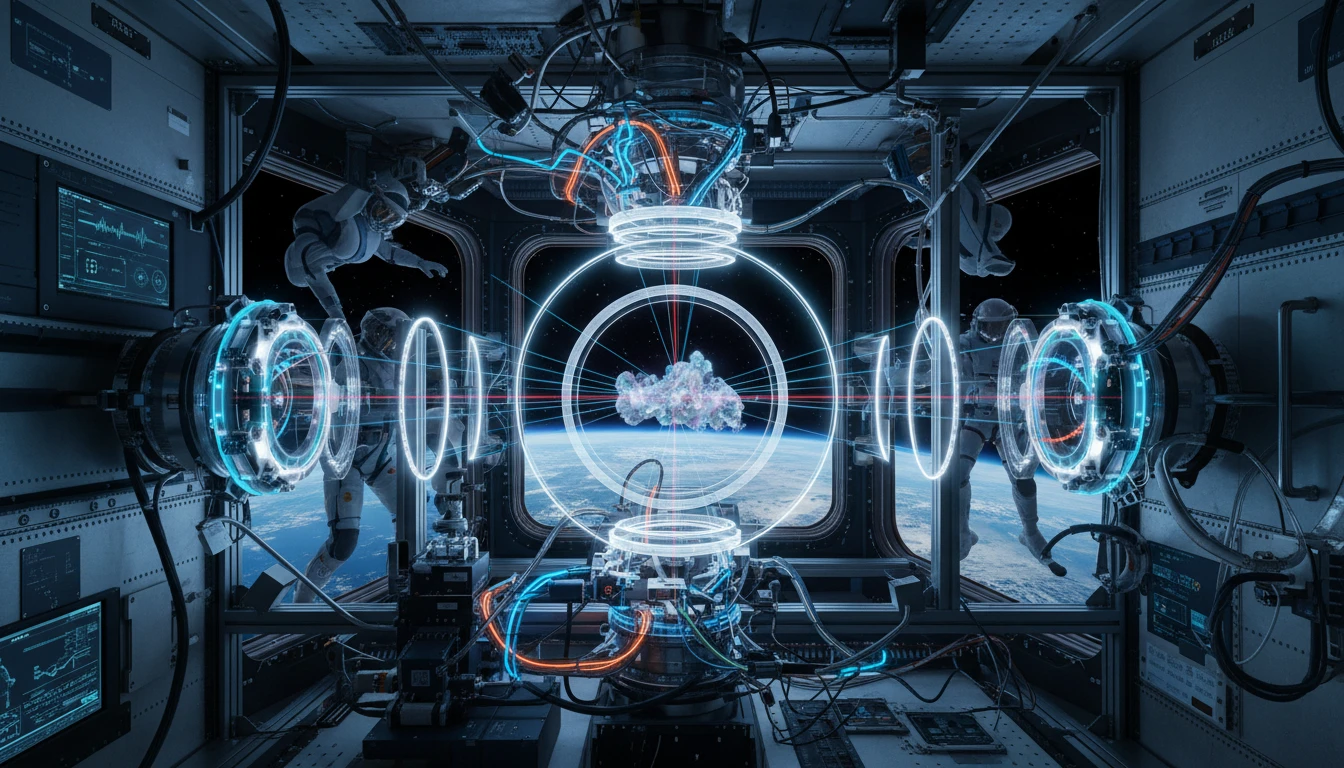
The mission of the Cold Atom Lab (CAL) is to study atoms at temperatures just a fraction of a degree above absolute zero, which is -273.15 degrees Celsius. At these extreme lows, familiar matter transforms. Instead of behaving like tiny, individual balls,
atoms slow down and their quantum, wave-like nature takes over. They can merge into a single, collective entity known as a Bose-Einstein Condensate (BEC), a fifth state of matter predicted by Satyendra Nath Bose and Albert Einstein in the 1920s. In this state, the bizarre rules of quantum mechanics—where particles can be in multiple places at once—become visible on a macroscopic scale, allowing scientists to observe them directly. The CAL, which was installed on the International Space Station (ISS) in 2018, was the first facility to produce a BEC in orbit.
Why Space is the Perfect Laboratory
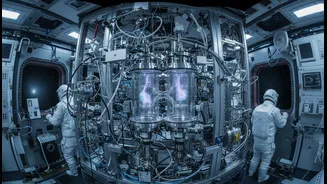
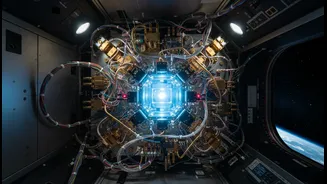
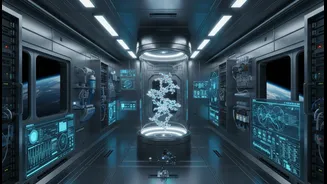
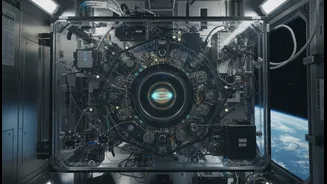
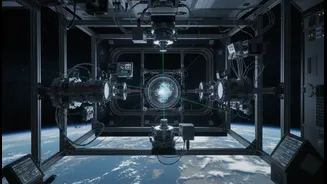
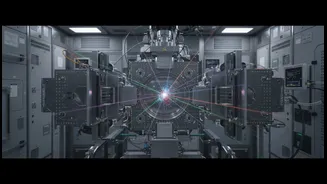
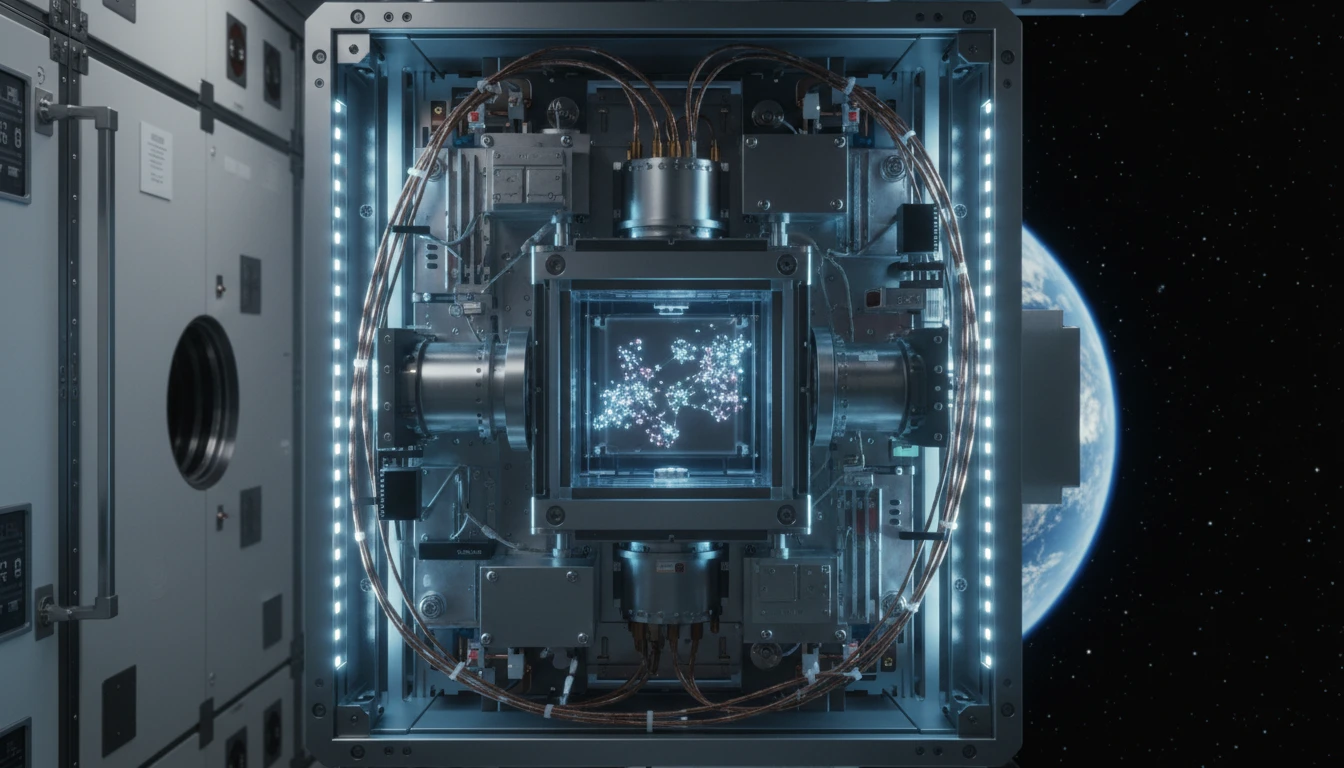
While scientists can create BECs on Earth, gravity gets in the way. The weak trapping fields needed to hold the ultracold atoms are easily overwhelmed, causing the condensates to fall and dissipate in fractions of a second. This gives researchers a very short window to conduct experiments. In the microgravity environment of the ISS, these limitations vanish. The condensates can be observed for much longer—for as long as ten seconds—allowing for more precise and in-depth measurements. This extended observation time is crucial for probing the fundamental laws of physics and exploring phenomena that are impossible to study on the ground. The entire lab is a marvel of engineering, compressing a room-sized atomic physics laboratory into a compact box controlled remotely from Earth by scientists at NASA's Jet Propulsion Laboratory.
New Upgrades and Discoveries
The CAL has been continuously upgraded since its installation, and the latest enhancements, activated in June 2026, have significantly expanded its capabilities. This fourth major upgrade included a redesigned magnetic trap that gives researchers new ways to alter the shape of the quantum gas clouds, allowing them to test different properties of the atoms. Engineers also installed improved metal sources for generating the initial gas clouds of rubidium and potassium. These upgrades enable scientists to create larger condensates and provide greater flexibility for a range of experiments. Five international research teams are currently using the facility to conduct their studies. The recent work continues to build on milestones like creating the first two-species quantum gas in space and making atom-shell "bubbles" that can only exist in microgravity.
From Fundamental Physics to Future Tech
The research conducted in the Cold Atom Lab isn't just about satisfying scientific curiosity. It's laying the groundwork for what some call "Quantum 2.0"—a new technological revolution based on the direct manipulation of quantum states. The first quantum revolution gave us lasers, microchips, and MRI machines. This next wave could lead to breakthroughs in several fields. Potential applications include developing ultra-precise quantum sensors that could monitor Earth's gravity to track water resources, building advanced navigation systems for deep-space missions that don't rely on GPS, and testing fundamental questions about dark matter and dark energy. By proving that these complex quantum instruments can operate reliably in space, the CAL is paving the way for a new generation of powerful technologies.