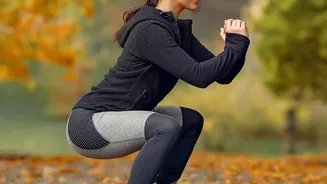








Understanding the 'October Heat' Challenge
In many parts of India, October brings a post-monsoon, pre-winter rise in temperatures. This phenomenon, often called 'October heat', is characterised by clear skies and high heat combined with lingering humidity from the monsoon season. This combination
is particularly taxing on the body. High humidity prevents sweat from evaporating efficiently, which is your body's primary cooling mechanism. As a result, your internal temperature can rise faster, your heart has to work harder, and a workout that feels easy in cooler, drier weather can suddenly feel incredibly strenuous.
Time Your Workouts Wisely
The most effective strategy to beat the heat is to avoid exercising during the hottest part of the day, typically between 10 a.m. and 4 p.m. Schedule your outdoor runs, walks, or sports for the early morning or later in the evening when the sun's intensity has subsided and temperatures are cooler. If a midday workout is unavoidable, consider moving it indoors to a gym or finding a shaded area like a wooded trail, which can be significantly cooler than open ground. Consistency is key, and adjusting your schedule is a smarter choice than skipping your workout altogether.
Hydration Is Non-Negotiable
Proper hydration is the single most important factor when exercising in the heat. Don't wait until you feel thirsty, as thirst is an early sign that you're already on your way to dehydration. Start hydrating hours before your workout by drinking 2-3 cups of water. During your workout, aim to sip water every 15-20 minutes. For intense sessions lasting over an hour, you lose not just water but also essential electrolytes like sodium through sweat. In this case, consider an electrolyte drink to replenish what you've lost. After your workout, continue to rehydrate to aid recovery.
Dress for Cooling Success
Your workout attire plays a significant role in how your body handles the heat. Heavy fabrics like cotton trap moisture, becoming heavy and preventing air from circulating. Instead, opt for lightweight, loose-fitting clothes in light colours that reflect sunlight. Modern synthetic fabrics like polyester and nylon blends are engineered to be moisture-wicking, meaning they pull sweat away from your skin to the fabric's surface, where it can evaporate quickly, helping you stay cooler and more comfortable.
Listen to Your Body: Know the Warning Signs
It's crucial to distinguish between normal exertion and the warning signs of heat-related illness. Heat exhaustion can present with symptoms like heavy sweating, cool and clammy skin, dizziness, headache, nausea, and a fast, weak pulse. If you experience these, stop exercising immediately, move to a cooler spot, and hydrate. Heat stroke is a medical emergency and is far more dangerous. Its signs include a very high body temperature (above 103°F or 104°F), hot and red skin (which can be dry or damp), a rapid pulse, and confusion, slurred speech, or loss of consciousness. Confusion is a key red flag that differentiates heat stroke from heat exhaustion. If you suspect heat stroke, seek emergency medical help immediately.
Adjust Your Expectations and Your Routine
Exercising in high heat and humidity puts additional strain on your body, so it's unrealistic to expect to perform at your peak. Be prepared to modify your workout. This might mean slowing your pace, reducing the intensity, lifting lighter weights, or shortening the duration of your session. Pay attention to how you feel rather than rigidly sticking to a pre-planned speed or distance. Allowing your body time to acclimatise to the heat, which can take one to two weeks, is also important. If the weather is simply too extreme, don't be afraid to swap your outdoor run for an indoor session or a lower-intensity activity like swimming.