





A Bridge to Heritage
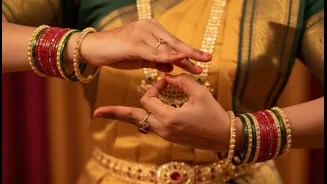
For many first-generation Indian immigrants, enrolling their children in a Bharatanatyam or Kathak class is a deliberate act of cultural transmission. Fearing that their children might lose touch with their roots while growing up in a different cultural landscape,
parents see these dance schools as more than just an extracurricular activity. They are immersive environments where mythology, language, and values are taught through the embodied practice of dance. The rigorous discipline required is seen as a way to instill Indian values, and the classes provide a vital community connection with other Indian-American, British-Indian, or Indo-Canadian families. This desire to pass on a cultural inheritance has led to a boom in dance schools across the diaspora over the last two decades.
The Guru in a New Land
At the heart of this movement are the teachers, or gurus. Often highly accomplished artists who immigrated themselves, they become much more than just dance instructors. They are cultural custodians, community leaders, and mentors, tasked with translating an art form deeply embedded in Indian spirituality and culture for students who may have never lived in India. The challenges are significant. Teachers often have to explain cultural concepts that would be implicitly understood back home—from the significance of a deity's story to the nuance of a particular expression. They must find innovative ways to keep the art form engaging for children accustomed to different modes of entertainment, all while navigating the financial pressures of running a studio without the robust state or temple patronage that historically supported these arts.
Authenticity vs. Adaptation
A key question these diaspora schools grapple with is the balance between preserving tradition and adapting to a new environment. How do you maintain the 'purity' of a classical form while making it relevant to multicultural audiences? This has led to a fascinating evolution. While some schools focus on rigid adherence to tradition, many are exploring a middle path. Dancers and choreographers are creating new works that use the classical vocabulary to comment on contemporary themes, from dual identities to social issues. This hybridity, blending ancient Indian aesthetics with Western sensibilities, is creating a new, dynamic expression of the art form that is uniquely of the diaspora. The result is not a dilution of the form, but an expansion of its boundaries.
Forging a Hybrid Identity
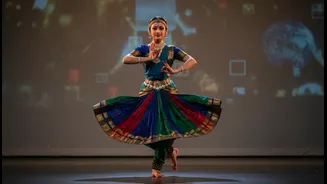
Ultimately, the greatest significance of these schools lies in the impact on the students themselves. For many second and third-generation youth, classical dance becomes a powerful tool for navigating their dual identity. It provides a tangible, physical connection to their heritage that goes beyond their parents' stories. The process of learning the intricate movements and stories gives them a sense of ownership over their culture. The 'Arangetram', or solo debut performance, has become a major rite of passage in diaspora communities, a culmination of years of training that serves as a public affirmation of the dancer's connection to their heritage. While originally a debut for professional life, it is now a significant cultural and social milestone for the family and community abroad, symbolizing the successful passing of the torch to a new generation.