





The Science of Smoothness
The magic of cold brew lies in its gentle, low-temperature extraction process. Unlike hot coffee, which uses heat to rapidly pull compounds from the beans, cold brew relies on time. Steeping grounds in cold or room-temperature water for 12 to 24 hours
extracts flavour slowly and selectively. This method significantly reduces the extraction of acidic and bitter compounds, such as chlorogenic acids, which are more soluble in hot water. The result is a coffee that is chemically less acidic—by up to 70%—making it naturally sweeter, smoother, and easier on the digestive system. This process highlights the rich, chocolatey, and nutty notes of the coffee bean while muting the sharp, bright flavours often found in hot-brewed varieties.
Gathering Your Simple Toolkit
You don't need an expensive, complicated machine to create artisanal cold brew. In fact, you likely already have everything you need. The essential toolkit includes a large container for brewing (like a mason jar or a pitcher), a coffee grinder, your favourite coffee beans, filtered water, and a method for straining. For filtration, you can use a fine-mesh sieve, cheesecloth, or even a standard paper coffee filter. The simplicity of the equipment is part of the appeal, proving that patience, not gadgetry, is the most important ingredient.
The Golden Ratio and Grind
Two factors are critical for success: the coffee-to-water ratio and the grind size. For the grind, always choose coarse. The consistency should resemble coarse sea salt or peppercorns. A fine grind, like one used for drip coffee, will over-extract and create a bitter, muddy brew with a lot of sediment. The ratio determines the strength of your brew. For a strong concentrate that you dilute later, a 1:4 or 1:5 ratio (1 part coffee to 4 or 5 parts water by weight) is a common standard. For a ready-to-drink version, a milder ratio of 1:8 to 1:12 is often used. A great starting point for a concentrate is a 1:8 ratio, which produces a strong but balanced brew.
The Overnight Steep: Patience is Key
This is where the magic happens. Combine your coarsely ground coffee and filtered water in your jar or pitcher and stir to ensure all the grounds are saturated. Then, simply cover it and wait. The ideal steeping time is between 12 and 24 hours. Most coffee experts find the sweet spot to be between 16 and 18 hours, which yields a well-extracted, balanced flavour without bitterness. Steeping for less than 12 hours will likely result in a weak, under-extracted coffee. Going beyond 24 hours can introduce woody or overly bitter notes. You can steep on your counter at room temperature for a slightly faster extraction (14-20 hours) or in the refrigerator for a slower, more forgiving process (16-22 hours).
Filtering for a Clean Finish
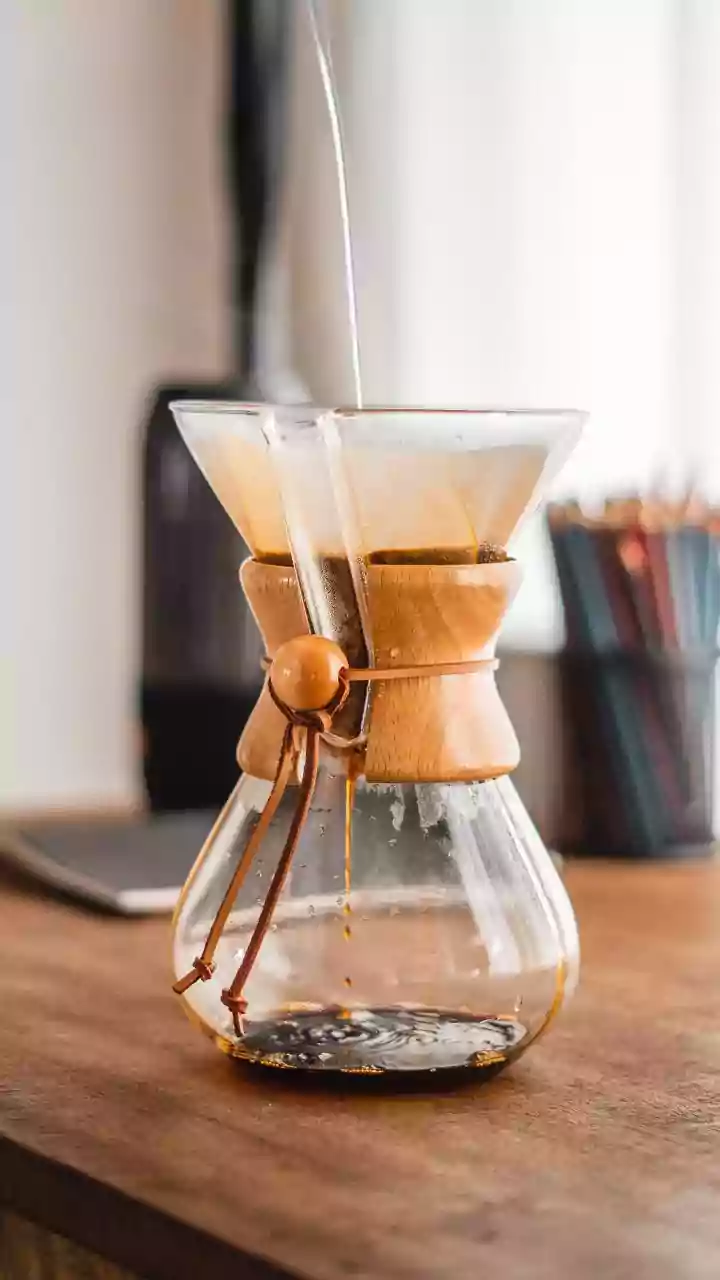
Once the steeping is complete, the final step before enjoying your brew is filtration. This is crucial for removing the grounds and any fine sediment, which ensures a smooth texture. The simplest method is to pour the coffee through a fine-mesh sieve lined with cheesecloth or a paper coffee filter. If you brewed in a French press, you can simply press the plunger down, though for an even cleaner cup, you might want to strain it a second time through a paper filter. Allow the coffee to drip through naturally; avoid squeezing the filter, as this can push bitter compounds into your final product.
Storing and Serving Your Brew
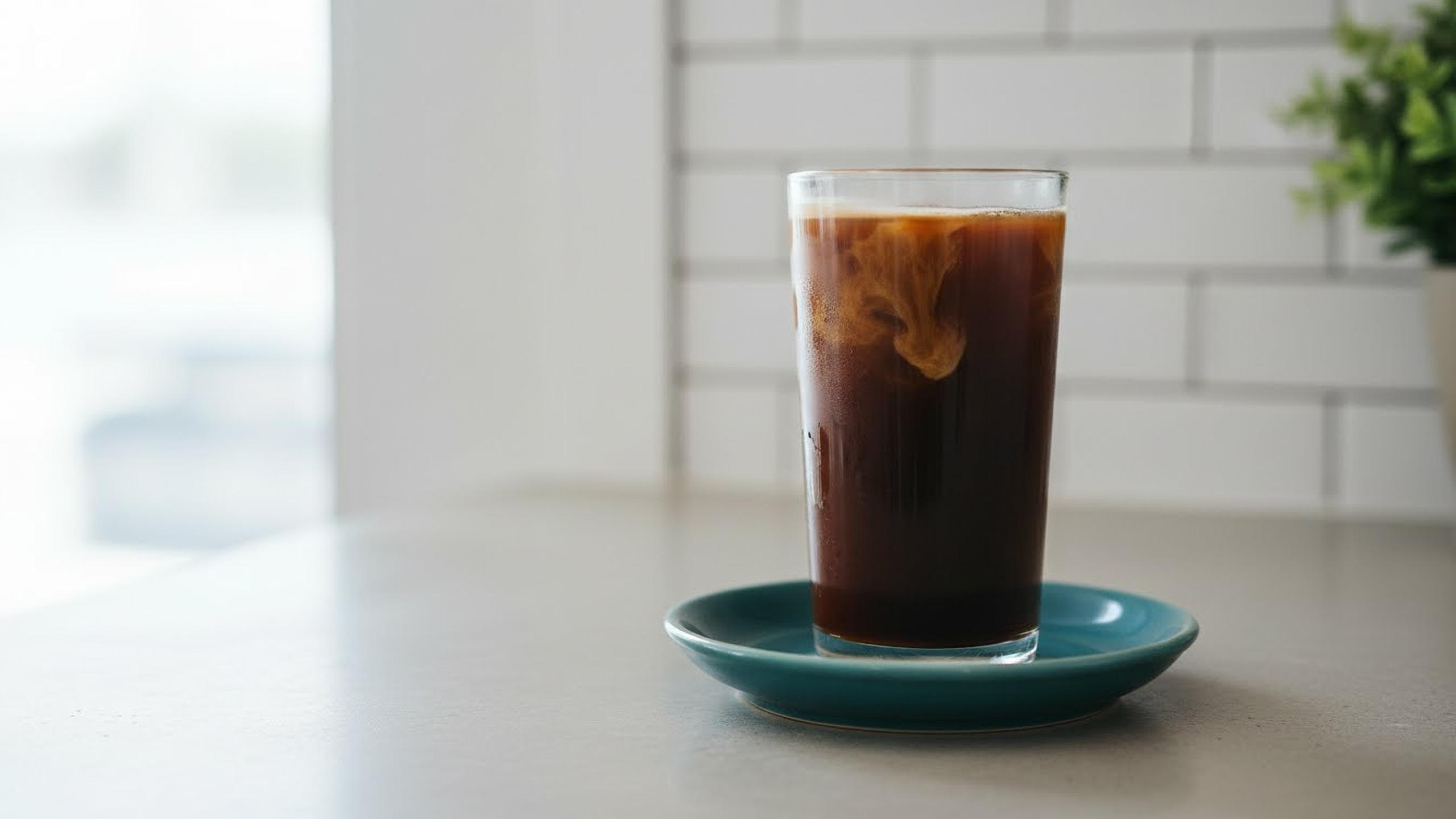
Your homemade cold brew concentrate should be stored in a sealed, airtight container in the refrigerator. It will stay fresh for up to one week, although the flavour is best within the first five days. When you're ready for a drink, it's time to dilute. A 1:1 ratio of concentrate to water or milk is a popular starting point for a strong, smooth coffee. If you prefer it less intense, try a 1:2 ratio of concentrate to liquid. Pour it over ice, add your favourite milk or syrup, and enjoy the fruits of your patient labour.