



What Exactly Are 'Premium' Grains?
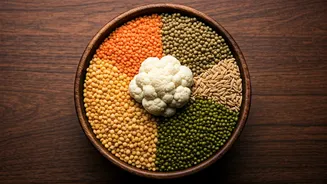
The term 'premium grain' isn't a formal classification but a marketing one, referring to grains that are often perceived as healthier, more natural, or more exotic than staples like polished white rice and refined wheat. This category includes 'ancient
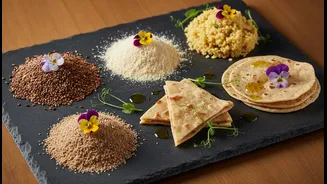
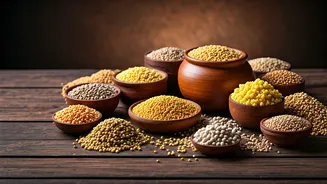
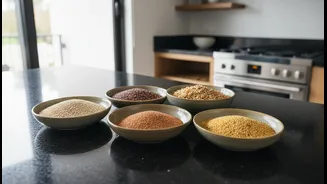
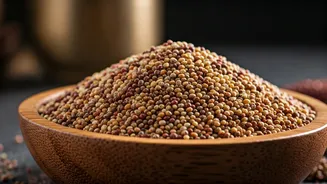
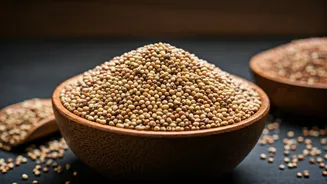
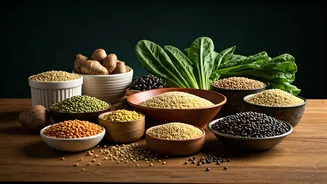
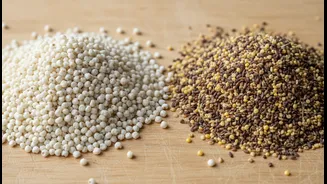
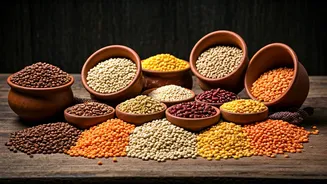
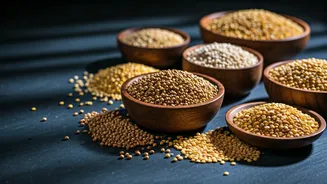
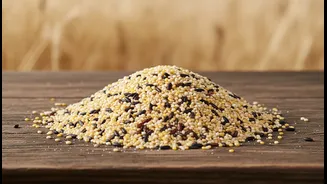
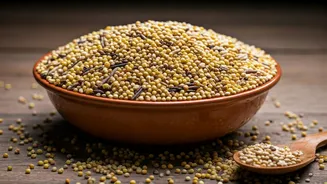
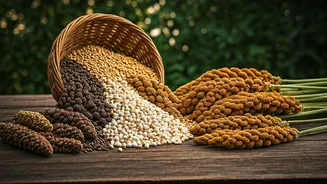
grains', which are crops that have been largely unchanged for centuries. In India, this trend covers two main groups. First, globally popular grains like quinoa and certain varieties of oats. Second, and more significantly, a resurgence of indigenous grains like millets—including jowar (sorghum), bajra (pearl millet), and ragi (finger millet)—and specialty rice such as black and red rice. These were once common in Indian diets but were sidelined by the push for high-yield wheat and rice. Now, they're making a comeback as a premium lifestyle choice.
The Driving Force: Health and Wellness
The primary driver for this shift is a growing health consciousness among Indian consumers. Many are seeking alternatives to refined grains to manage lifestyle diseases like diabetes and obesity. Premium grains fit this need perfectly. Millets, for instance, are naturally gluten-free and have a lower glycemic index, which helps in managing blood sugar levels. They are also nutritional powerhouses, often containing more dietary fibre, protein, and essential minerals like calcium, iron, and magnesium than their refined counterparts. This high fibre content aids digestion and can contribute to weight management by making you feel full for longer.
Good for You, Good for the Planet
The appeal of these grains goes beyond personal health; they are also environmentally friendly. Millets are often called 'climate-smart' crops. They are hardy, drought-resistant, and can grow in poor soil with fewer fertilisers and pesticides. In a country facing climate uncertainty and water scarcity, promoting millet cultivation is a sustainable agricultural strategy. This resilience makes them a reliable crop for farmers in dry regions, reducing the immense pressure that water-intensive crops like rice and sugarcane place on India's water resources. For a growing number of consumers who care about the environmental impact of their food, choosing millets feels like a responsible decision.
Government and Global Recognition
The trend has received a major boost from government initiatives. To promote these 'nutri-cereals', the Indian government spearheaded a UN resolution that declared 2023 the International Year of Millets. This put Indian millets on the global stage, increasing their aspirational value. At home, various state and central government schemes are encouraging farmers to cultivate millets and working to include them in public food programs like the PDS and mid-day meals. These efforts, combined with savvy marketing by food brands, have successfully repositioned what was once considered 'poor man's food' into a modern superfood.
Are They Worth the Higher Price?
This is the big question for many households. Imported grains like quinoa can be quite expensive. However, many of India's native premium grains, particularly millets like bajra and jowar, remain relatively affordable and accessible. The 'premium' label often applies more to the processed and packaged versions of these grains, such as millet flakes, cookies, and ready-to-eat meals, which are becoming increasingly popular. The key is to distinguish between expensive fad products and the genuine nutritional value of the raw grains. Incorporating whole millets into your diet can be a cost-effective way to boost your nutrition without breaking the bank.