



What Is 'Main Character' Lighting?
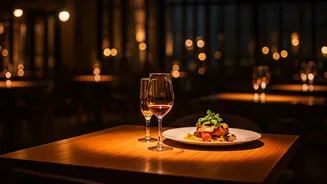
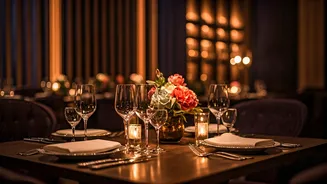
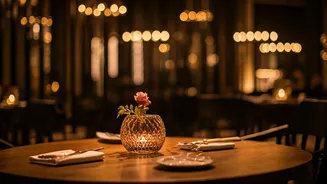
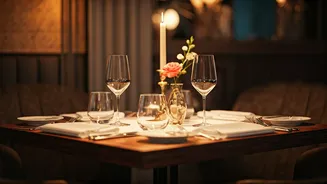
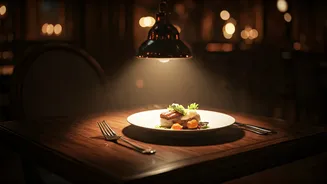
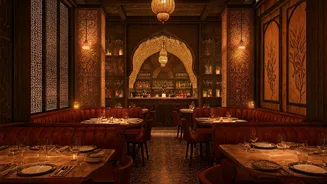
Forget the uniform brightness of casual diners. The trend of 'main character' lighting is about creating a theatrical and immersive experience. It's defined by its intentional use of shadow and light to make each table feel like a private stage. Think
of a single, soft pendant light hanging low over your table, creating a pool of warmth that separates you from the rest of the room. The background fades away, and your dinner, your company, and you become the centre of the narrative. This technique uses a combination of layered lighting: ambient light to set the general mood, task lights for functionality (like reading the menu), and accent lights to create drama and highlight specific features. The goal is to craft an atmosphere that feels intimate, exclusive, and highly curated.
The Psychology of the Spotlight
This trend is deeply rooted in psychology. Dim, warm lighting is known to make people feel more relaxed and comfortable, encouraging them to linger longer. This slower pace often leads to ordering more, from another round of drinks to dessert. One study even found that dim lighting could significantly increase the likelihood of ordering dessert. The intimacy created by focused lighting makes diners feel like they are in their own private bubble, fostering more comfortable social interactions. It’s a powerful tool for restaurateurs to influence guest behaviour, enhancing not just the mood but also the bottom line. The lighting is designed to make you feel special, turning a simple meal into a memorable event.
Designed for the Social Media Age
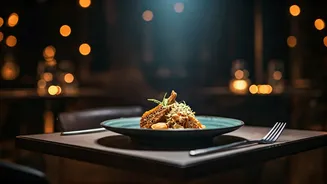
In 2026, a restaurant's design is as much about online appeal as it is about physical comfort. 'Main character' lighting is inherently photogenic. The moody, high-contrast look is perfect for Instagram stories and TikTok videos, creating a shareable moment that doubles as free marketing. The soft, focused light is flattering, making both the food and the diners look their best. This is a deliberate strategy; designers are now creating spaces with 'selfie nooks' and visually striking elements that beg to be photographed and posted. By creating a beautiful, 'Instagrammable' setting, restaurants ensure their ambiance is shared far beyond their physical walls, attracting new customers who want to be part of that curated experience.
The Art and Science of the Glow
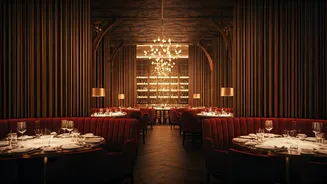
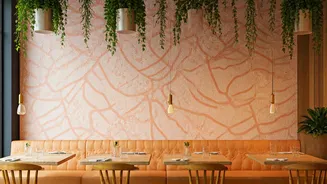
Achieving this look isn't as simple as just dimming the lights. It requires a sophisticated, layered approach. Designers use a mix of fixtures to achieve this effect. Sculptural pendant lights often serve as the main statement piece over tables. Wall sconces add a soft, ambient glow, while hidden LED strips or uplights can highlight architectural details or artwork, adding depth to the space. The colour temperature of the light is also crucial; warm, yellowish tones (around 2700K) are preferred for creating a cozy and inviting atmosphere. The result is a dynamic environment that feels both carefully designed and effortlessly cool, shifting in mood from the brightness of day to the intimacy of night.
Not Everyone Is a Fan
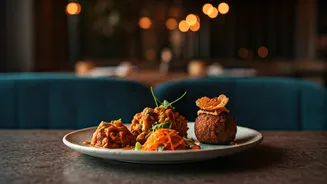
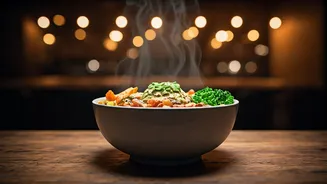
Despite its popularity, the trend toward darker dining rooms has its critics. The most common complaint is a practical one: it can be difficult to read the menu or even see the food you’re eating. While moody lighting enhances some dishes, it can obscure the vibrant colours and intricate details of others. Some diners find the intense focus on the table isolating, preferring a more communal and lively atmosphere. The reliance on phone flashlights just to decipher the bill has become a familiar ritual for many. It's a fine line between creating an intimate ambiance and creating a frustratingly dark space, and not all establishments get the balance right.