



Autumn's Unique Challenges
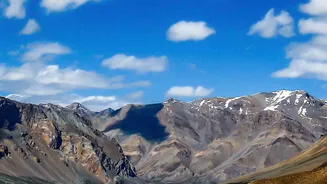
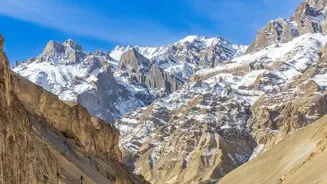
September and October offer some of the best conditions for a Spiti road trip, with post-monsoon clear skies and fewer tourists. However, this is a transitional season. While days can be pleasant and sunny, temperatures drop sharply after sunset, often
falling below freezing at higher altitudes like Chandratal and the villages of Komic and Langza. The primary risk in late autumn, especially from mid-October, is unpredictable weather on high passes. Kunzum Pass (4,551 metres), which connects Spiti to Manali, can receive early snowfall and close without warning, potentially trapping travellers or forcing a long detour back via the Shimla route. Black ice can also form on roads overnight, making early morning driving hazardous.
Mastering High-Altitude Acclimatisation
Acute Mountain Sickness (AMS) is a significant risk in Spiti, where elevations commonly range from 3,000 to 4,500 metres. AMS is caused by ascending too quickly, not giving your body time to adjust to lower oxygen levels. It is not related to physical fitness. The best prevention strategy is gradual ascent. For this reason, the route via Shimla and Kinnaur is highly recommended over the Manali entrance. The Shimla-Kaza road allows you to gain altitude over several days, drastically reducing AMS risk. Key preventative measures include aggressive hydration (3-4 litres of water daily), avoiding alcohol for the first few days, eating a high-carbohydrate diet, and getting adequate rest. On your first day in Kaza (3,800 metres), it's crucial to rest and not over-exert yourself.
Recognising and Responding to AMS
Knowing the symptoms of AMS is non-negotiable. Mild symptoms include a persistent headache, nausea, fatigue, dizziness, and difficulty sleeping. If you experience these, do not ascend further. Rest at your current altitude, hydrate, and monitor your condition. If symptoms worsen to include vomiting, severe breathlessness at rest, or confusion, immediate descent is the only effective treatment. A drop of just 500-1,000 metres can bring significant relief. Carrying basic medications like paracetamol for headaches is wise, but for moderate to severe AMS, medical intervention is necessary. Never ignore worsening symptoms; they can escalate to life-threatening conditions.
Route Planning and Vehicle Readiness
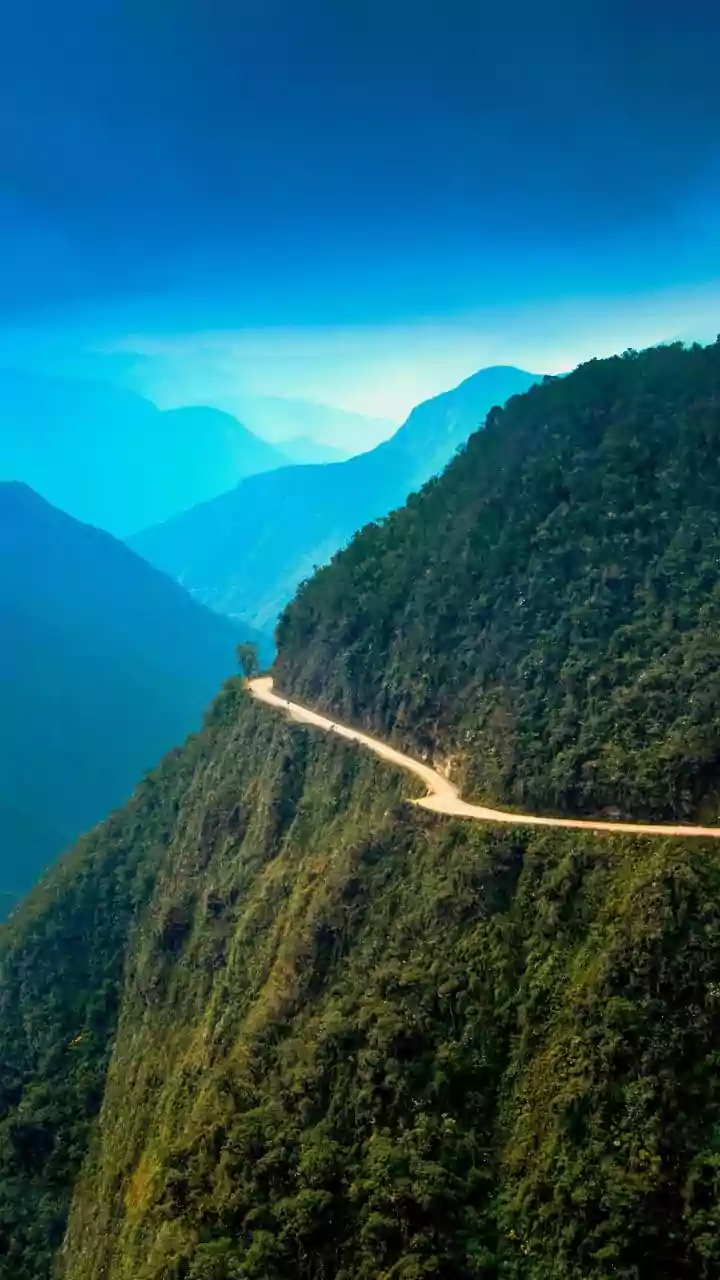
As of early autumn, both the Shimla-Kaza and Manali-Kaza routes are typically open. The Shimla-Kaza highway (NH-5) is generally more stable and suitable for sedans with careful driving, though rough patches exist. The Manali-Kaza route, particularly the 60-km stretch between Gramphu and Losar, is extremely rough, with water crossings and boulder-strewn tracks best suited for high-ground-clearance vehicles like SUVs or 4x4s. Before you start, ensure your vehicle is in excellent condition. Check your tyres (including the spare), brakes, and engine oil. Given the remote terrain and lack of services, carrying a puncture repair kit, a basic toolkit, and extra fuel is a sensible precaution. Always check the daily road status from official sources like the Border Roads Organisation (BRO) or local authorities, as conditions can change overnight.
Permits and Essential Documents
One of the most confusing aspects of a Spiti trip is permits. For Indian citizens, the rule is simple: no Inner Line Permit (ILP) or special permit is needed for the standard tourist circuit in Spiti Valley. You must carry a valid government-issued photo ID (like an Aadhaar card or passport), which you'll need to present for registration at police checkposts like Sumdo and Jangi. It's wise to carry several photocopies of your ID, as internet connectivity for digital copies is non-existent at these checkpoints. Foreign nationals, however, require a Protected Area Permit (PAP) for areas beyond Jangi. This is an offline process done at offices in places like Shimla or Reckong Peo. The Rohtang Pass permit is a separate vehicle permit and only applies if you are driving from Manali.