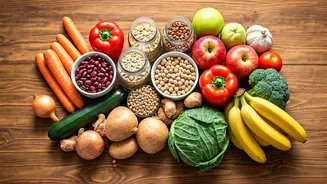









1. Make a Plan and Stick to It
The single most effective tool for saving money on food is a meal plan. Before you even think about stepping into a grocery store, sit down for 20 minutes and map out your meals for the week. This isn't about creating a rigid, joyless schedule; it's about eliminating
impulse buys and last-minute takeout orders. Check what you already have in your pantry, fridge, and freezer. Build your meals around those items first. From your plan, create a detailed shopping list. When you're in the store, that list is your guide. Stick to it religiously and avoid the aisles you don't need to visit. This simple habit prevents you from buying that extra bag of chips or those expensive, pre-packaged snacks that quickly inflate your bill.
2. Embrace Frozen and Canned Produce
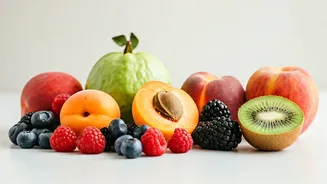
The notion that fresh is always best is a myth that costs consumers a fortune. Frozen fruits and vegetables are picked and flash-frozen at peak ripeness, locking in their nutrients—sometimes even more so than fresh produce that has traveled for days. They are available year-round, are often cheaper than their fresh counterparts, and last for months, helping you reduce food waste. The same goes for canned goods. Look for low-sodium canned vegetables and beans, and fruit packed in its own juice rather than heavy syrup. These are excellent, affordable pantry staples for adding fiber and vitamins to soups, stews, and side dishes.
3. Cook More, Order Less
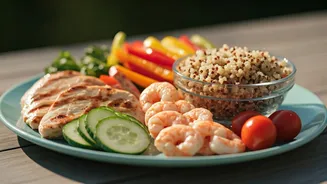
The biggest cost difference between a healthy diet and an unhealthy one often comes down to convenience. Pre-cut vegetables, individually portioned snacks, and restaurant meals are expensive because you're paying for labor. By committing to cooking more at home, you regain control over both your ingredients and your budget. This doesn't mean you need to become a gourmet chef overnight. Start small by batch-cooking staples like rice, quinoa, or roasted vegetables on the weekend. Prepare a large pot of soup or chili that can provide several meals. Even simple acts, like brewing your own coffee or packing your own lunch, can save you hundreds of dollars over the course of a year.
4. Prioritize Plant-Based Proteins
Meat is often the most expensive item on a grocery list. While you don't have to go fully vegetarian or vegan, strategically reducing your meat consumption can have a huge impact on your food budget. Plant-based proteins are nutritional powerhouses that are incredibly affordable. A can of beans or a bag of lentils costs a fraction of what you'd pay for the same amount of chicken or beef. Start with a "Meatless Monday" or aim to make a few of your weekly meals plant-based. Dishes like lentil soup, black bean burgers, and chickpea curry are not only delicious and filling but also remarkably inexpensive to prepare.
5. Don't Fear Store Brands
Brand loyalty can be an expensive habit. In many cases, the store-brand (or generic) version of a product is made in the same facility as the big-name brand, with only slight variations in the recipe or packaging. From canned tomatoes and pasta to spices and oatmeal, store brands offer significant savings without a noticeable drop in quality. The FDA regulates food safety and labeling for all products, so you can be confident that the generic option is just as safe. Give them a try on staple items. The savings from switching just a few key products can add up significantly over time.
6. Buy in Bulk, but Smartly
The bulk aisle can be your best friend or your worst enemy. Buying items you use frequently in larger quantities—like oats, rice, dried beans, and spices—is a fantastic way to lower the per-unit cost. However, buying a giant container of something you've never tried before, or a perishable item you can't possibly finish, is just a recipe for waste. Before you buy in bulk, ask yourself two questions: Do I use this regularly? And do I have a place to store it properly? Focus on non-perishable pantry staples. For items like nuts and whole-grain flours, which can go rancid, consider storing them in the freezer to extend their shelf life.