






Embrace the Morning Micro-Workout
When evenings are booked, mornings are your golden hour. But that doesn't mean a pre-dawn, hour-long gym session. Think shorter and sharper. Research shows that even 15 minutes of moderate-to-vigorous activity can significantly boost your mood, metabolism,
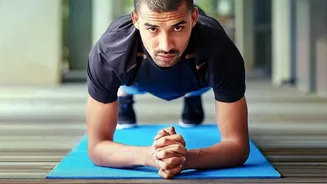
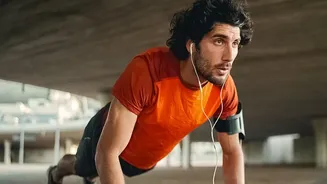
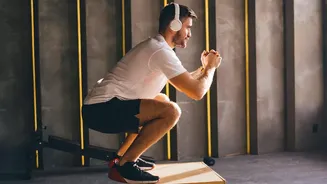
and energy levels for the day. Starting your day with movement gets your blood pumping and provides a sense of accomplishment before festive chaos takes over. A simple circuit of bodyweight exercises like squats, push-ups, planks, and jumping jacks is highly effective. You can do it at home with zero equipment, making it a realistic option even when you're feeling sluggish after a late night. The goal isn't to exhaust yourself, but to wake up your body and mind.
Adopt 'Exercise Snacking'
If finding a dedicated 20- or 30-minute block seems impossible, try 'exercise snacking'. This fitness trend involves breaking up your activity into small, manageable chunks throughout the day. Instead of one long workout, you 'snack' on movement. This could be taking the stairs instead of the lift, doing a set of squats while your coffee brews, or a brisk five-minute walk after lunch. These short bursts of movement, from 30 seconds to a few minutes, interrupt long periods of sitting and have been shown to improve cardiovascular health and metabolic function. The key is consistency. These mini-workouts add up, helping you maintain muscle activation and endurance without needing a gym or a major time commitment.
Lower the Bar and Listen to Your Body
Festive fatigue is real. Late nights and rich food can leave you feeling drained. On these days, the worst thing you can do is adopt an all-or-nothing mindset. Instead of skipping your workout entirely, simply lower the intensity. If you usually lift heavy weights, opt for lighter weights or just your bodyweight. If you normally run for 30 minutes, a 15-minute brisk walk is a perfect substitute. The mantra should be 'anything is better than nothing'. Focusing on movement rather than performance reinforces the habit and can actually help with recovery and mood, even if it doesn't feel like a 'hard' workout. Giving yourself permission to do less ensures you stay in the groove without draining your already low energy reserves.
Turn Socialising into an Active Event
Combine your fitness and social goals. Instead of another late dinner, suggest active get-togethers. Plan a group walk to see the neighbourhood's festive lights, organise a family game of cricket or football in a local park, or even try a dance class with friends. These activities get your heart rate up in a fun, low-pressure environment. Even small changes, like suggesting a post-meal stroll instead of settling onto the sofa, can make a difference. It allows you to bond with loved ones while ensuring you get some movement into your day, hitting two birds with one stone.
Prioritise Active Recovery
When you're tired, your body might not be up for high-intensity exercise, but that doesn't mean you should be completely sedentary. This is where active recovery comes in. Active recovery involves low-intensity exercise that helps increase blood flow, reduce muscle soreness, and aid recuperation without putting stress on the body. Gentle yoga, stretching, or a slow walk are excellent options. These activities can help loosen stiff joints, ease tension, and calm your nervous system, making them perfect for the day after a late night. A 15-minute stretching session can feel more restorative than forcing a workout your body isn't ready for, and it keeps you connected to your fitness routine.