




The Great Himalayan Rain Shield
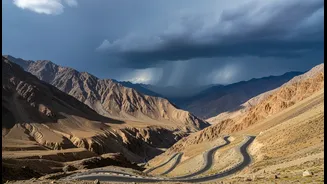
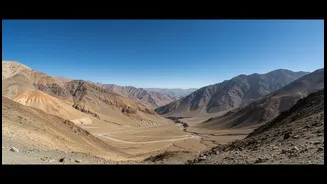
The primary reason for Spiti's unique climate is its location in a 'rain shadow'. The towering peaks of the Great Himalayan and Pir Panjal ranges stand like colossal walls, blocking the path of moisture-laden monsoon clouds. While areas on the southern,
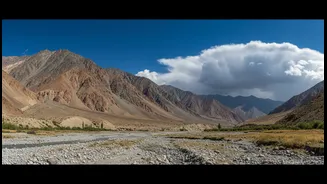
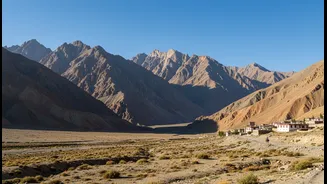
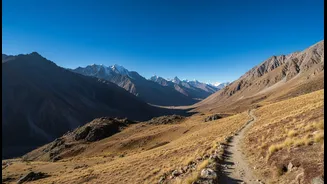
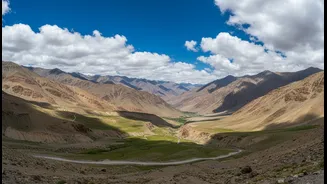
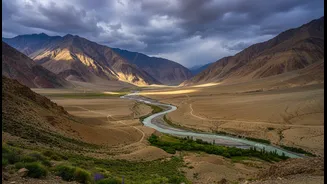
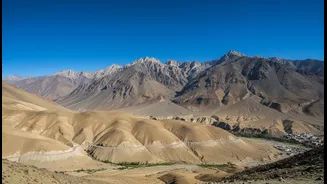
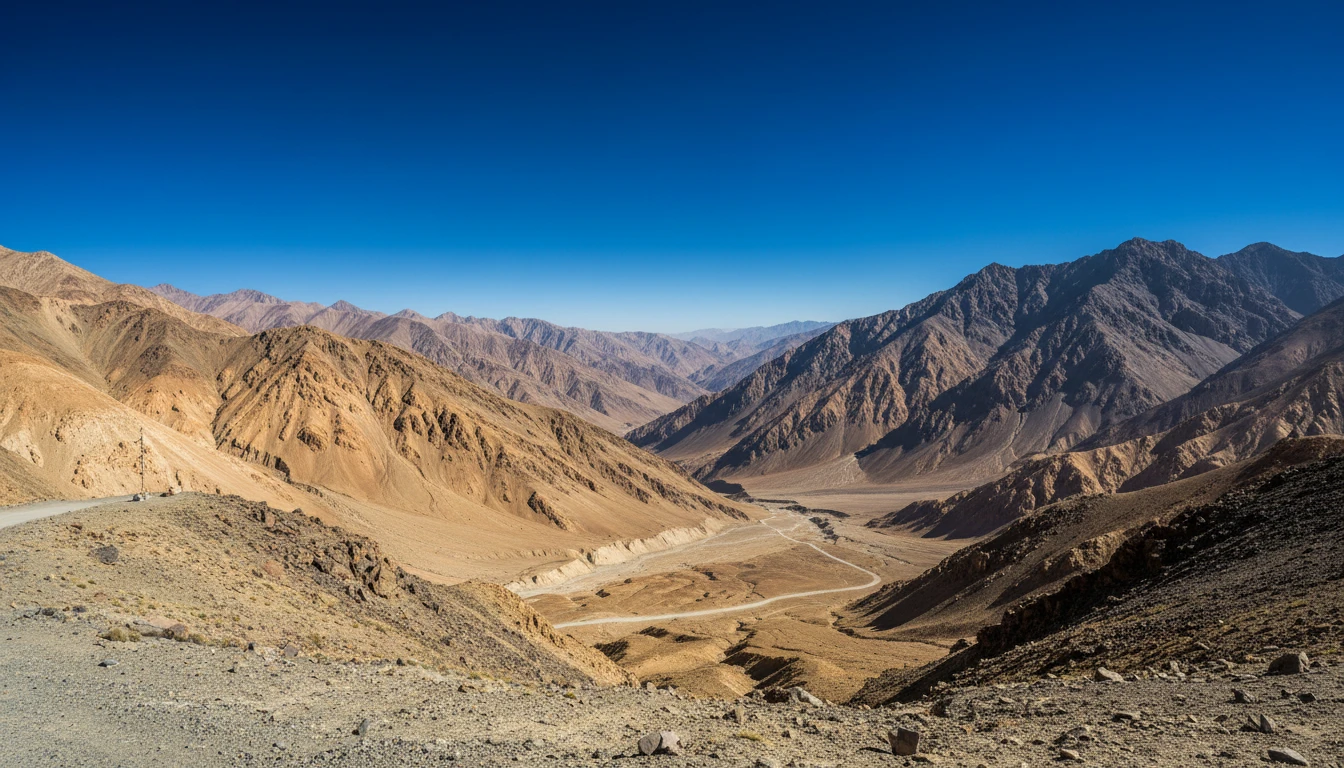
windward side, such as Kullu and Shimla, receive heavy downpours, the clouds exhaust their moisture before they can cross these high barriers. As a result, Spiti, on the leeward side, receives very little rainfall, often less than 170 mm annually. This transforms the valley into a high-altitude cold desert, characterised by dry, sunny days even in the peak of the monsoon season.
It’s in the Geology
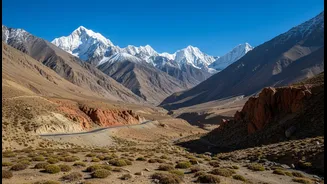
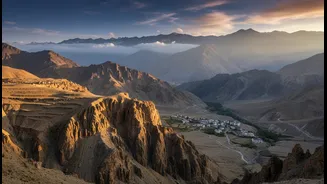
Beyond the weather, the very rock and soil of Spiti contribute to its stability. Spiti Valley is predominantly composed of sedimentary and metamorphic rocks, which are comparatively more stable than the geology of its neighbouring regions. Areas like Kinnaur often feature crumbly, fractured rock faces that are highly susceptible to 'shooting stones' and massive rockfalls when saturated with rain. In contrast, Spiti’s geological makeup, combined with the lack of intense rainfall, significantly reduces the risk of the large-scale mudslides and debris flows that plague other parts of the Himalayas. The soil is also different; with less clay and more scree, it doesn't turn into the slick, unstable mud seen in regions with denser vegetation and higher precipitation.
A Cold Desert Landscape
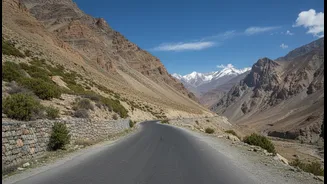
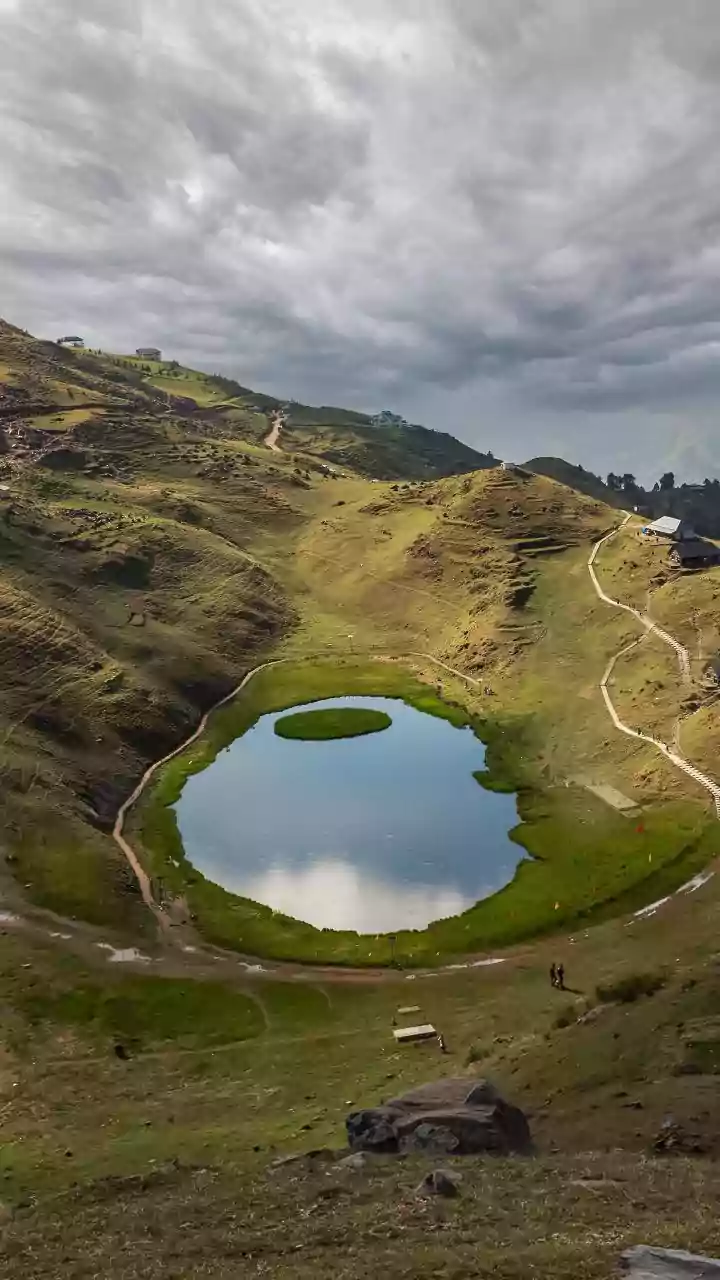
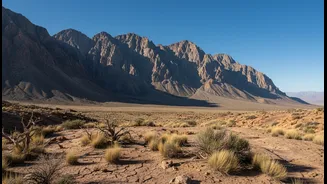
The phrase 'cold desert' is key. Unlike the lush, green slopes of the lower Himalayas, Spiti's landscape is barren and sparsely vegetated. While this might seem stark, it plays a crucial role in preventing certain types of landslides. Heavy rainfall in forested areas can saturate the topsoil, which is held together by roots. When this soil layer becomes too heavy, it can slide off the bedrock, taking trees and all with it. In Spiti, the lack of dense vegetation and topsoil means there is simply less material to slide. While erosion from wind and water does carve the landscape, it's a different process from the sudden, rain-induced landslides common elsewhere.
The Access Route Matters
While Spiti itself is dry, getting there can still be a challenge. There are two main routes: one via Manali and the other via Shimla through Kinnaur. During monsoons, the Manali route, crossing the high passes of Rohtang and Kunzum, can be unreliable. The preferred and more stable route is from Shimla. However, this road passes through Kinnaur, which is highly prone to landslides. Travellers must navigate these high-risk zones before reaching the relative safety of the Spiti Valley. Reports from mid-July 2026 highlight numerous road closures in Kullu, Shimla, and Sirmaur districts due to heavy rains, underscoring the contrast between these areas and the accessible conditions within Spiti itself. Even with its arid climate, one road closure in the Lahaul-Spiti district was reported, proving that even rain-shadow areas aren't entirely immune to monsoon-related disruptions, especially on their peripheries.