




A 'Low Volume, High Value' Philosophy
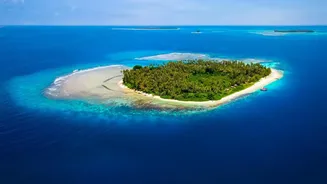
The cornerstone of Lakshadweep's tourism strategy is not to attract the most visitors, but the most responsible ones. This “low volume, high value” approach prioritizes the preservation of the islands' delicate ecology over mass tourism. The primary tool
for this is a mandatory entry permit system. Every non-resident, whether Indian or foreign, must obtain a permit before travelling, specifying the islands they will visit and the duration of their stay. This system acts as a crucial first line of defense, allowing the administration to manage the number of people on the islands at any given time, preventing overcrowding and reducing the strain on natural resources. Recent changes in 2026 have simplified the process by removing the need for a local sponsor, but the core principle of controlled access remains firmly in place.
Guarding the Underwater World
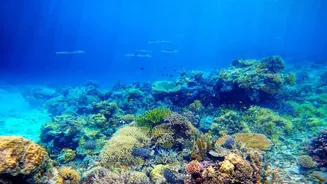
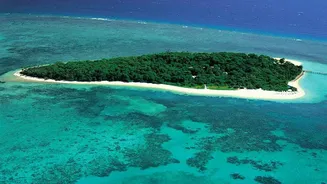
The coral reefs are Lakshadweep's main attraction and its most vulnerable asset. Specific regulations are in place to protect them. Activities like scuba diving and snorkeling are confined to designated areas to prevent damage to sensitive coral colonies. All water sports must be conducted through government-approved operators who are trained in eco-friendly practices. There is a strict ban on plucking or collecting corals; they are protected species under Indian law. Furthermore, the administration promotes responsible tourism through guidelines that educate visitors on how to interact with the marine environment, such as not touching the reefs or disturbing marine life. These measures are designed to allow people to appreciate the beauty of the reefs without contributing to their degradation.
Eco-Friendly Infrastructure and Operations
Sustainability extends to the infrastructure on the islands. The development of large-scale resorts is limited, with a focus on smaller guesthouses and eco-friendly resorts that blend with the environment. Many of these establishments are encouraged to adopt green practices, such as using solar power, harvesting rainwater, and implementing effective waste management systems to reduce their carbon footprint. The government has also introduced a 'Green Tax' for tourists arriving by air, with the revenue intended for environmental protection initiatives. The goal is to ensure that the infrastructure supporting tourism is as low-impact as the tourism itself.
Community as Partners in Conservation
The involvement of the local community is critical to the success of these policies. The administration promotes community-based ecotourism, where locals are directly involved in and benefit from tourism activities. This includes running homestays, working as guides for snorkeling trips, and selling local handicrafts. By making conservation economically beneficial for the islanders, the policies create a powerful incentive for the local population to act as stewards of their environment. They have a vested interest in protecting the natural resources that attract tourists and support their livelihoods, creating a sustainable cycle of conservation and community development.
The Unseen Challenges Ahead
Despite these robust policies, Lakshadweep is not immune to threats. A significant and growing challenge is waste management. With an increasing number of tourists and goods coming from the mainland, the islands are struggling to cope with plastic and other non-biodegradable waste, which can find its way into the lagoons and harm marine life. Furthermore, the global threat of climate change looms large, with rising sea temperatures causing coral bleaching events, a phenomenon that no local policy can prevent on its own. These challenges highlight that while Lakshadweep's policies are a model for sustainable tourism, the effort to protect this paradise is a continuous battle against both local pressures and global crises.