




Why Our Cities Become Concrete Ovens
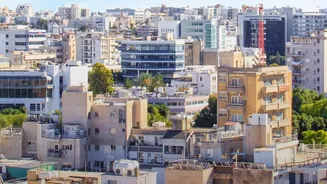
Anyone who has walked barefoot on dark asphalt on a sunny day knows it gets incredibly hot. Our cities are filled with such surfaces—roads, parking lots, and rooftops—that are excellent at absorbing the sun's energy. These dark materials can absorb 80-95%
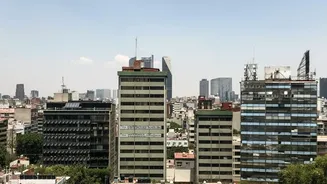
of the sunlight that hits them. This stored heat is then released back into the air, especially after sunset, creating what is known as the 'urban heat island' effect. This phenomenon can make urban areas significantly warmer than surrounding rural landscapes, raising health risks and energy costs for cooling. Paved surfaces alone can make up around a third of a typical city's area, making them a major contributor to this problem.
The Simple Science of Cool Pavement
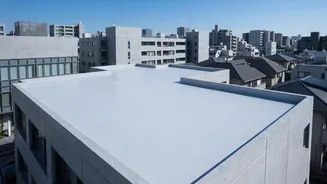
Cool pavement technology works on a simple principle: reflecting more sunlight and absorbing less heat. Think of it like choosing your clothes on a hot day—a white shirt feels much cooler than a black one because it reflects sunlight instead of absorbing it. Scientists use the term 'albedo' to measure this reflectivity on a scale from 0 to 1. Traditional dark asphalt has a very low albedo, while cool pavements are designed with a much higher albedo. By reflecting a larger portion of solar radiation back into the atmosphere, these surfaces simply don't get as hot, which in turn helps keep the surrounding air cooler.
More Than Just White Paint
While applying a light-coloured reflective coating is the most common method, 'cool pavement' is a broad term for several technologies. These include using lighter-coloured aggregates in the asphalt or concrete mix itself, or using advanced binders that are more reflective. Another category is permeable or evaporative pavements. These are porous surfaces that allow water to seep in. As the trapped water evaporates, it creates a cooling effect, much like how sweating cools the human body. Some innovative approaches even involve using waste materials like fly ash or glass powder in the pavement mix, which can help increase reflectivity while promoting recycling.
How Much Cooler Can It Get?
The data from pilot projects around the world is promising. Studies, including a significant one in Phoenix, Arizona, have shown that cool pavement surfaces can be up to 6.7°C (12°F) cooler than traditional asphalt during the hottest parts of the day. While the impact on the ambient air temperature is more modest—often reducing it by about 0.5 to 1°C—this can still make a tangible difference across a large area. In one Los Angeles project, air temperature in a neighbourhood with cool pavement was up to 1.9°C (3.5°F) cooler during a heat wave. These reductions can lessen the demand for air conditioning, saving energy and reducing greenhouse gas emissions.
Challenges and Considerations
Cool pavement is not a perfect solution. One significant issue with reflective pavements is glare, which can be uncomfortable for pedestrians and drivers on a bright day. Some studies have also found that while the pavement itself is cooler, the increased reflection can make a person standing on it feel warmer. For this reason, experts suggest it's best used on roads and large parking lots rather than pedestrian plazas, where shade from trees remains the best solution for human comfort. There are also questions about cost, durability, and maintenance, as the reflective coatings can get dirty and lose their effectiveness over time.
The Indian Context and The Road Ahead
While large-scale cool pavement projects are still emerging in India, the concept is gaining traction. Studies have looked into the potential benefits for cities like Bhubaneswar, where the urban heat island effect is a recognised problem. Workshops and research are underway to explore which technologies are best suited for the Indian climate and urban landscape. Similar principles are already being applied successfully with 'cool roofs' in cities like Ahmedabad, where reflective paint on tin roofs has helped lower indoor temperatures in slum areas. As our cities continue to grow and heatwaves become more frequent, integrating solutions like cool pavements into urban planning will be a crucial step toward building more resilient and liveable communities.