



Why So Many Names for Sugar?
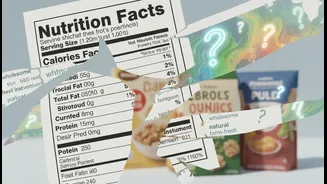
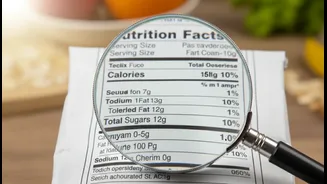
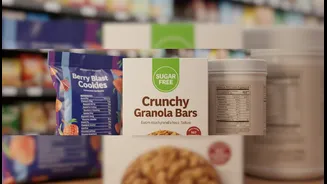
You're scanning a food label, looking for the word "sugar." You don't see it, so you assume the product is low in sugar. Unfortunately, it's not that simple. There are over 60 different names for added sugar used on food labels today. Food manufacturers
use various names for several reasons. Different sugars come from different sources, like corn, beets, or sugar cane, and have slightly different chemical makeups and uses. Some are solids, while others are syrups. Using multiple types of sweeteners can also improve a product's flavour, texture, and shelf life. For instance, a manufacturer might use three or four different sugars. By listing them separately, none of them appear high on the ingredients list, which is ordered by weight. This can give the impression that the product is healthier than it actually is.
The Obvious and Not-So-Obvious Sugars
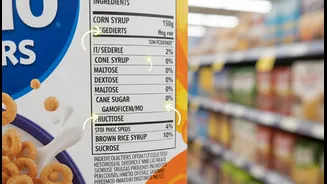
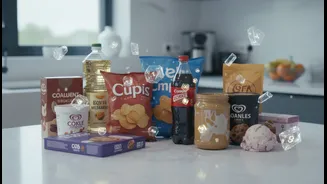
Let's start with the basics. Words that explicitly contain "sugar" are the easiest to spot. These include brown sugar, beet sugar, cane sugar, coconut sugar, date sugar, castor sugar, and icing sugar. These are all forms of sucrose, the scientific name for table sugar. But the list quickly gets more complicated. High-fructose corn syrup (HFCS) is a widely used liquid sweetener made from corn starch, common in everything from sodas to packaged snacks. Though chemically similar to table sugar, it has become a staple for food processors because it is inexpensive.
Watch Out for Syrups and Malts
Many hidden sugars come in liquid form, often ending in the word "syrup." Don't be fooled by labels that tout "natural" sweeteners like agave nectar or honey. While they may sound healthier, your body metabolises them just like any other sugar. Agave nectar, for example, is a highly refined product that is very high in fructose. Other common names to look for in this category include barley malt syrup, brown rice syrup, corn syrup, golden syrup, maple syrup, and molasses. Even ingredients like "fruit juice concentrate" or "evaporated cane juice" are essentially just sugar in another form.
Meet the '-Ose' Family
One of the surest signs that a product contains added sugar is an ingredient ending in "-ose." This suffix is used in chemistry to denote a sugar. These are scientific names for different types of simple sugars. The most common ones you'll encounter on labels are sucrose (table sugar), glucose (the body's primary energy source), fructose (fruit sugar), dextrose (chemically identical to glucose), lactose (milk sugar), and maltose (malt sugar). Spotting these words on a label is a clear indicator of added sweeteners, even if the product itself isn't traditionally sweet, like bread or pasta sauce.
How to Be a Better Label Reader
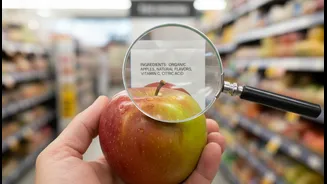
Becoming a sugar detective is a skill that gets easier with practice. The first step is to always read the full ingredients list, not just the marketing claims on the front of the package. In India, the FSSAI now mandates that nutritional information for added sugar be displayed more prominently, which helps empower consumers. Remember that ingredients are listed by quantity, from most to least. If you see several types of sugar listed, even if they are lower down, their combined total can be significant. Be especially wary of foods you might not expect to contain sugar, such as savoury sauces, salad dressings, flavoured yogurts, and breakfast cereals. By learning to recognize sugar's many aliases, you can make more informed choices about the foods you and your family eat.