




The Details of the Price Hike
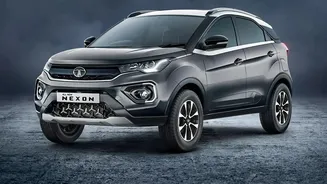
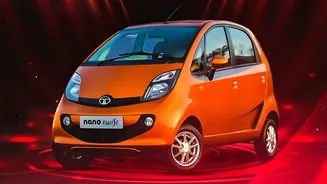
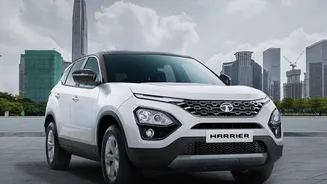
Tata Motors confirmed on Friday, August 21, that it will increase prices across its entire passenger vehicle portfolio, which includes petrol, diesel, and electric models. The increase is stated as being "up to ₹25,000" and will come into effect on September
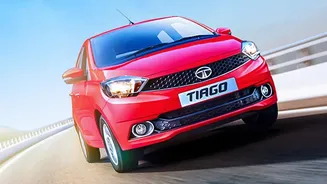
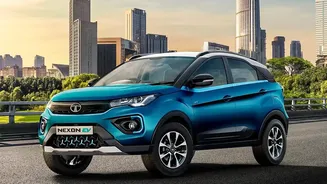
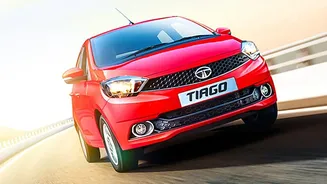
1, 2026. It's important to note this is not a flat ₹25,000 increase on every car. Instead, the hike will vary depending on the specific model and variant, meaning entry-level cars like the Tiago may see a smaller jump compared to high-end SUVs like the Safari. The company has stated this is to ensure the value proposition of each model is maintained.
Why Is This Happening Now?
The primary reason cited by Tata Motors is the need to "partially offset the impact of rising input costs and sustained inflationary pressures." This isn't just a Tata-specific issue; it's a trend across the entire auto industry. Automakers are grappling with higher prices for essential raw materials like steel and aluminium, as well as increased operational expenses. Some reports also point to geopolitical uncertainty and disruptions to global trade as contributing factors that add to the cost pressures for manufacturers. Tata Motors noted that while it has been absorbing a significant portion of these increased costs, it now needs to pass a part of the impact on to customers.
A Pattern of Increases in 2026
This is not the first time Tata has raised prices this year; in fact, it's the third. The company previously increased prices on its ICE vehicles by an average of 0.5% from April 1, followed by a broader 1.5% hike across its entire portfolio (including EVs) from July 1. This pattern of frequent, smaller price adjustments has become the new normal in the Indian car market. Tata's move follows similar announcements from its key competitors. Hyundai Motor India announced its third price increase of 2026 just a few days prior, while market leader Maruti Suzuki has also implemented multiple hikes in recent months to cope with the same cost pressures.
What This Means for Car Buyers
For anyone planning to buy a Tata car, the message is clear: the ex-showroom price is going up. A hike of up to ₹25,000 on the sticker price translates to an even higher on-road cost once taxes, registration, and insurance are factored in. This could mean a larger down payment or a higher Equated Monthly Instalment (EMI) for those taking out a loan. For example, a higher principal loan amount means you pay more interest over the loan's tenure, even if the interest rate remains the same. This latest round of price increases from major players like Tata, Hyundai, and Maruti Suzuki signals that affordability at the lower end of the market will continue to be a challenge.
Should You Buy Now or Wait?
With prices officially rising from September 1, customers who finalize their purchase before the end of August can avoid the price hike. However, the decision isn't always that simple. The recurring nature of these hikes suggests that waiting several more months might lead to even higher prices, as the underlying issues of commodity costs and inflation are unlikely to disappear quickly. While there are no guarantees, the current industry trend indicates that prices are on an upward trajectory. Potential buyers should weigh the immediate savings of buying now against any potential upcoming festive season offers, keeping in mind that those offers may be on an already increased base price.