

1. Senja: A Miniature Norway
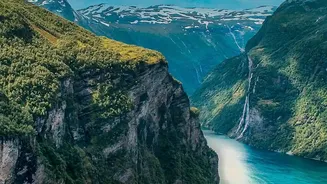
Often called ‘Norway in miniature’, Senja is the country's second-largest island and offers a compressed version of its most dramatic scenery. The outer coast is a relentless procession of jagged peaks rising directly from the ocean, while the inner coast is softer,
with rolling hills and pine forests. This contrast is what makes Senja so compelling. The National Scenic Route on its western edge is a journey through this raw beauty, connecting tiny fishing hamlets and viewpoints that are destinations in themselves. One such stop is the Bergsbotn platform, which extends over the Bergsfjord, offering sweeping views that are a photographer’s dream. For hikers, the island is a paradise. The trail to Hesten provides the iconic view of Segla, a pyramid-like peak that has become a symbol of Arctic Norway. Though the climb looks intimidating, it's an accessible trek for fit walkers, rewarding them with an unforgettable panorama. But Senja is more than just its mountains; it's an active landscape, with deep fjords supporting a thriving fishing culture.
2. The Lofoten Islands: Picture-Postcard Perfection
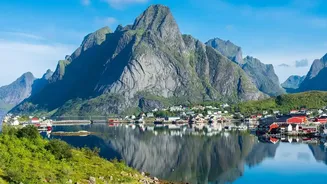
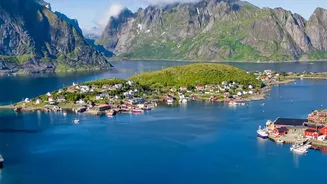
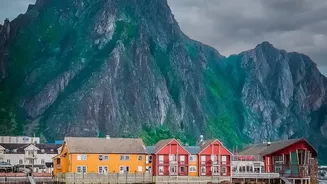
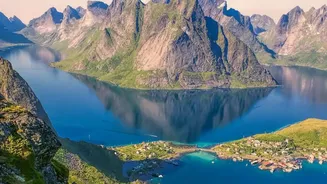
To the south of Senja lies the Lofoten archipelago, perhaps Norway’s most famous island chain. Known for its sharp, granite peaks, sheltered bays, and iconic red fishing cabins (rorbuer) perched on stilts over the water, Lofoten is the definition of picturesque. The main islands are connected by the E10 road, creating one of the world's most scenic drives. You can wind your way through villages like Reine and Hamnøy, which are famously beautiful. Lofoten is also a haven for outdoor activities. You can hike to stunning viewpoints like Reinebringen for a top-down view of the villages, or visit the white-sand beaches of Haukland and Ramberg, whose turquoise waters look almost tropical despite their Arctic location. In the summer, you can kayak under the midnight sun, while winter brings the chance to see the Northern Lights dance over the snow-covered peaks.
3. Svalbard: The True Arctic
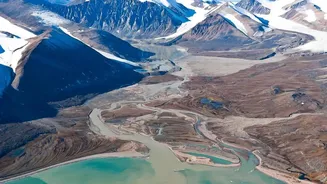
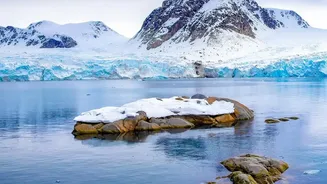
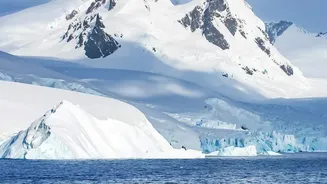
For the truly adventurous, Svalbard is the ultimate destination. Located halfway between mainland Norway and the North Pole, this is a realm of ice, rock, and profound silence. With more polar bears than people, traveling here requires a guided expedition. The landscape is dominated by vast glaciers, stark mountains, and frozen tundra. The main settlement, Longyearbyen, is the world's northernmost town and serves as the base for exploring this wilderness. Activities here are unlike anywhere else: think snowmobile safaris across ice caps, dog sledding through frozen valleys, and boat trips to the face of towering glaciers. Wildlife is a major draw. While polar bear sightings are a rare and respected bonus, you are likely to see walruses, reindeer, Arctic foxes, and immense colonies of seabirds. A trip to Svalbard is less a holiday and more an immersion into a powerful, untamed environment at the top of the world.
4. Sommarøy: The Arctic Caribbean
Just an hour's drive from Tromsø lies Sommarøy, an island cluster whose nickname, 'the Arctic Caribbean', seems unbelievable until you see it. Here, stunningly white sand beaches meet shallow, turquoise water, creating a visual paradox far above the Arctic Circle. The colour is real, a result of fine, pale sand in clear, cold water. This isn't a tropical resort—the water is frigid year-round—but the scenery is breathtaking. Connected to the mainland by a series of bridges, Sommarøy is an active fishing community of just a few hundred residents. It gained fame in 2019 for a campaign to become a 'time-free zone' during the 69 days of midnight sun, a clever stunt that captured a genuine truth about local life when the sun never sets. Visitors can kayak in the calm shallows, hike nearby peaks for views of the island system, or simply enjoy the surreal experience of a golden-hour beach walk at midnight.
5. Vesterålen: The Kingdom of Whales
Just north of Lofoten, the Vesterålen archipelago offers a gentler but equally captivating landscape. While it has its share of dramatic mountains and charming fishing villages like Stø, Vesterålen is best known as one of Europe's premier destinations for whale watching. Its proximity to the continental shelf means nutrient-rich waters attract whales year-round. Sperm whales are often seen in the summer, while winter brings orcas and humpback whales that follow migrating herring into the fjords. Safaris depart from towns like Andenes and Stø, offering a chance to see these magnificent creatures in their natural habitat. Beyond whales, Vesterålen is a fantastic destination for birdwatching—including puffins—and offers a less-crowded alternative to its famous southern neighbour, with plenty of hiking and scenic driving routes.