


A New Flavour for Festivity
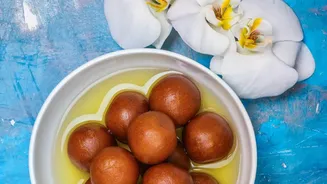
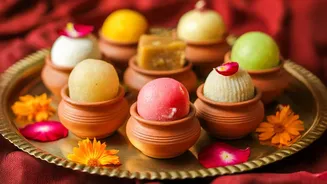
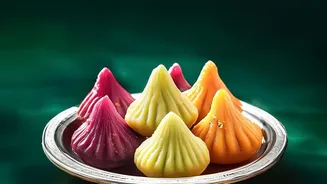
Janmashtami, the celebration of Lord Krishna's birth, has always been synonymous with an abundance of sweets offered as 'bhog' or 'prasad'. Traditionally rich and sugary, these offerings are central to the festivities. However, a noticeable shift is underway.
Younger generations and community groups are now consciously adapting these age-old recipes to suit a more modern, health-aware palate. Instead of abandoning tradition, they are innovating from within, ensuring the festive spirit remains indulgent but without the guilt of excessive sugar. This trend sees classic dishes being reimagined with natural sweeteners and wholesome ingredients, striking a balance between devotion and wellness.
The Sweet Swap: Jaggery, Dates, and More
The primary change in these modernised recipes is the move away from refined white sugar. Youth-led kitchen initiatives and health-conscious families are championing natural alternatives that offer sweetness without the associated health drawbacks. Jaggery (gud) is a popular substitute, praised for its iron content and earthy flavour that complements many Indian sweets. Date paste, with its natural caramel-like sweetness and fibre, is another favourite, especially for making energy-dense ladoos. Other alternatives include honey, coconut sugar, and even stevia for those closely watching their calorie intake. This switch not only makes the prasad healthier but also adds a new depth of flavour to beloved classics.
Tradition, Reimagined: Healthier Prasad Ideas
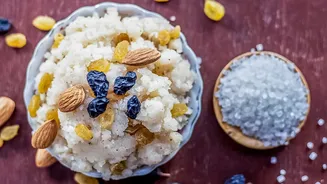
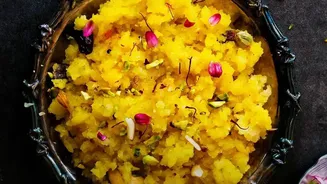
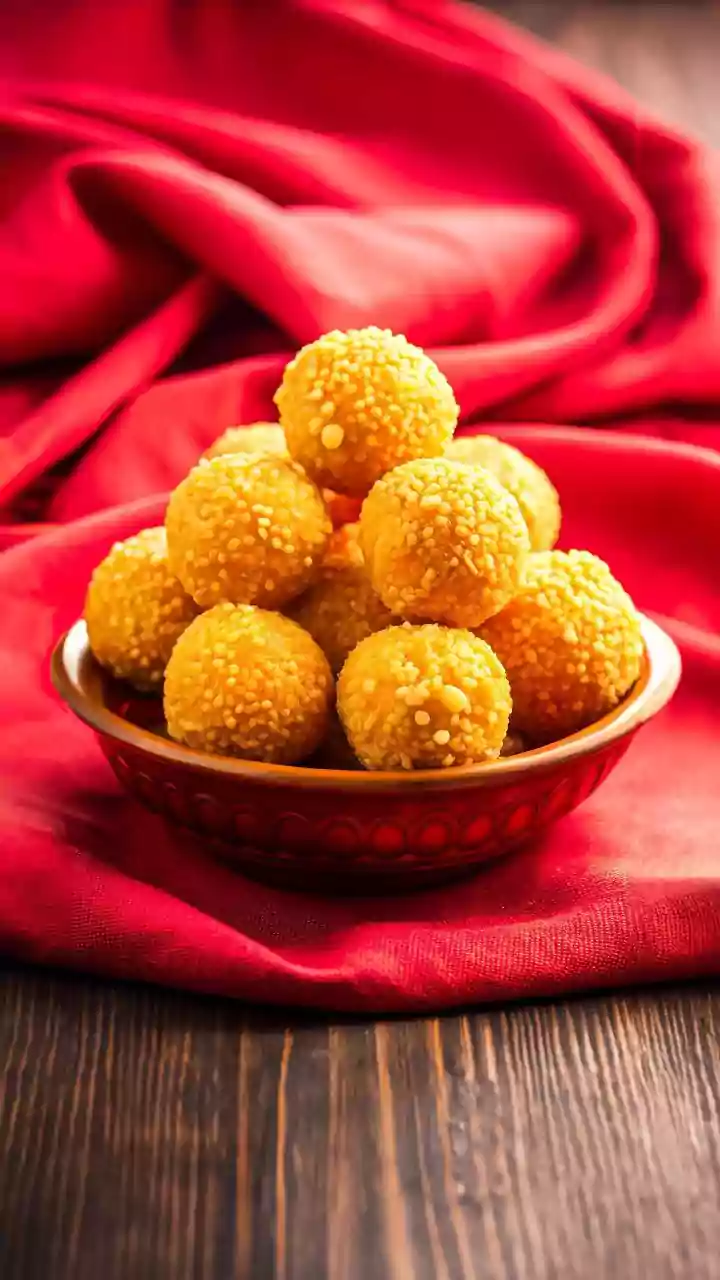
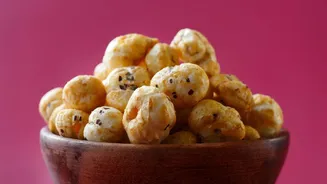
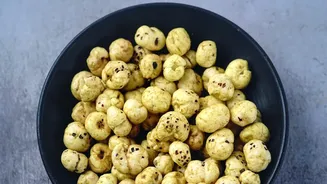
So what do these modernised sweets look like? The changes are both simple and creative. For instance, the quintessential 'panjiri' is now often made with whole wheat or buckwheat flour and sweetened with jaggery powder instead of sugar. Coconut Ladoos are being prepared with fresh coconut and a light jaggery syrup, making them lighter and more flavourful. 'Makhana Kheer', a pudding made from fox nuts, is another popular healthy option, using the natural creaminess of milk and nuts with minimal added sweeteners. Other innovations include 'Dry Fruit Ladoos' that use dates as a binding agent, eliminating the need for any sugar syrup, and even 'Ragi Ladoos' that incorporate nutritious millets. These treats are still rich and delicious, but their nutritional profile is significantly improved.
Youth at the Forefront of Change
This culinary evolution is largely driven by India’s younger generation. Contrary to the belief that youth are moving away from tradition, many are finding new ways to connect with their culture. For them, spirituality and wellness are not mutually exclusive. Preparing healthier prasad is an act of love that honours both the deity and their own well-being. This trend is visible in community kitchens, where youth groups gather to prepare for the festival, and online, where influencers and food bloggers share recipes for healthy festive treats. This movement is part of a larger quest for a more mindful and personalised form of faith, where traditions are adapted to remain relevant in contemporary life.