




The Royal Kick-off in Mysuru
Your journey begins in Mysuru, the city of palaces. Before you hit the road, immerse yourself in its royal past. The grand Amba Vilas Palace, also known as Mysore Palace, is an architectural marvel, especially when illuminated on Sunday evenings. This
former capital of the Wodeyar dynasty offers the perfect start, blending history with a vibrant city atmosphere. Plan to spend at least a day here exploring the palace, the bustling Devaraja Market, and enjoying the local cuisine before you begin your northward drive.
Shravanabelagola's Monolithic Marvel
About two hours from Mysuru lies your first major stop: Shravanabelagola. This is a vital Jain pilgrimage site, famed for the colossal Gommateshwara statue. Perched atop Vindhyagiri Hill, the 57-foot monolithic statue of Bahubali is a sight to behold, radiating a sense of peace and austerity. The climb up the hill involves around 600 rock-cut steps, but the panoramic views and the sheer scale of the 10th-century statue are well worth the effort. It’s a powerful reminder of the region's deep-rooted spiritual history.
The Hoysala Wonders of Belur and Halebidu
Next, head towards the twin towns of Belur and Halebidu, the erstwhile capitals of the Hoysala Empire. In Belur, the Chennakesava Temple, built in the 12th century to commemorate a military victory, is an active place of worship renowned for its intricate sculptures. A short drive away, the Hoysaleswara Temple in Halebidu, though never fully completed, showcases an astonishing level of detail in its stone carvings. The walls are covered in endless friezes depicting gods, animals, and scenes from Hindu epics. The craftsmanship here represents the zenith of Hoysala architecture.
Chitradurga's Fort of Seven Walls
As you continue your journey, a stop at Chitradurga is essential. The city is dominated by the formidable Chitradurga Fort, an expansive fortress built across several hills. Known as 'Kallina Kote' or the 'Stone Fortress', it features seven concentric fortification walls, numerous gateways, temples, and secret passages. The fort is famous for the legend of Onake Obavva, a brave woman who single-handedly defended a secret entrance from enemy soldiers. Exploring this rugged, historical marvel offers a glimpse into the strategic military architecture of the Nayaka rulers.
Arrival in Hampi, the City of Ruins
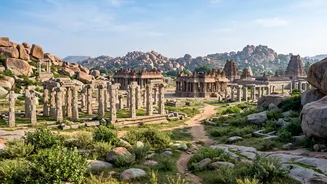
The final leg of your drive brings you to Hampi, the glorious capital of the Vijayanagara Empire. A UNESCO World Heritage Site, Hampi's landscape is a surreal mix of giant boulders, lush paddy fields, and the haunting ruins of temples, palaces, and markets. Key sights include the Virupaksha Temple, which has remained an active place of worship for centuries, the iconic Stone Chariot at the Vittala Temple complex, and the Royal Enclosure. The best way to explore is by foot or bicycle, allowing you to soak in the atmosphere of this once-mighty city.
Tips for Your Post-Monsoon Journey
The ideal time for this road trip is from October to February, when the weather is pleasant and the landscape is lush after the rains. The entire drive from Mysuru to Hampi is approximately 350-400 kilometres and can be done in about 7-8 hours, but breaking it up with these stops is highly recommended. The roads, particularly the national highways, are generally in good condition. Be sure to carry plenty of water, especially when exploring sites like Chitradurga Fort and Hampi, which require a lot of walking. Booking accommodation in advance is advisable, especially during peak season.