


A Healthier Take on Tradition
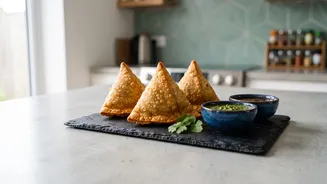
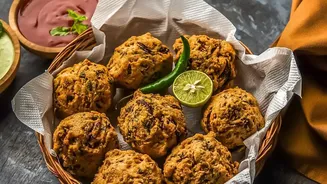
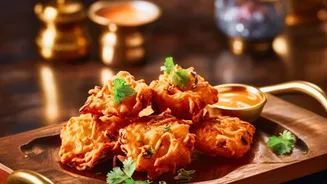
The primary driver behind the air fryer's growing acceptance in India is the pursuit of a healthier lifestyle without sacrificing taste. Indian cuisine is celebrated for its deep, complex flavours, but many beloved snacks—from crispy samosas to savoury
pakoras—rely on deep frying. This often makes them an indulgence rather than an everyday treat. The air fryer offers a compelling solution by using rapidly circulating hot air to achieve a similar golden, crispy texture with up to 85% less oil. This means families can enjoy their favourite monsoon snacks or festive appetisers more frequently and with significantly less guilt. It’s not about replacing the traditional kadai but about creating a healthier, convenient alternative for modern life. This shift allows for the enjoyment of classics, making indulgence a little more accessible and a lot less oily.
Beyond Snacks: The Tandoor at Home
While making guilt-free samosas and aloo tikkis is a major draw, the ingenuity of Indian home cooks has expanded the air fryer’s role far beyond snacks. Perhaps its most impressive feat is its ability to mimic the dry, high-heat environment of a traditional tandoor. This has made it the perfect tool for preparing succulent tandoori-style dishes at home. Dishes like paneer tikka, chicken tikka, and various kebabs cook beautifully in an air fryer, developing a desirable char on the outside while remaining juicy and tender on the inside. The contained heat and constant airflow ensure marinades cook into the protein perfectly. Cooks are also using it to roast vegetables like potatoes and cauliflower (aloo gobi) to perfection before adding them to curries, simplifying meal prep and adding a new layer of roasted flavour.
The Secret to Perfect, Crispy Results
Getting the best out of an air fryer for Indian cooking involves a few simple but crucial techniques. Unlike deep frying, where food is submerged in hot oil, air frying relies on surface-level crisping. To achieve that signature golden-brown finish on a samosa or cutlet, it's essential to lightly brush or spray the food with a bit of oil before cooking. This helps the Maillard reaction—the chemical process responsible for browning—work its magic. Another key rule is to avoid overcrowding the basket. Food needs space for the hot air to circulate freely and cook evenly. For best results, cook in batches if necessary. Most recipes benefit from preheating the appliance for a few minutes and flipping or shaking the food halfway through the cooking time to ensure all sides get equally crispy.
Convenience in a Fast-Paced World
The air fryer’s appeal isn't just about health; it's also about unmatched convenience. It drastically reduces cooking time for many dishes and makes cleanup significantly easier with no large pots of oil to handle. For busy households, it’s a game-changer. One of its most praised functions is reheating. Leftover samosas, puffs, or bhajis, which often turn soggy and unappetizing in a microwave, become wonderfully crisp again in an air fryer in just a few minutes. This ability to restore texture transforms leftovers and reduces food waste. The appliance also simplifies cooking by removing guesswork. Many models come with preset functions for common dishes, allowing even novice cooks to achieve consistent results with minimal effort. It fits perfectly into a modern Indian lifestyle where time is short but the desire for delicious, home-cooked food remains strong.