




What Is Iodine and Why Do We Need It?
Iodine is an essential trace mineral that plays a starring role in your health by enabling your thyroid gland to produce hormones. This small, butterfly-shaped gland in your neck controls your body's metabolism, regulating everything from your heart rate
and body temperature to your energy levels. These thyroid hormones are also critical for brain and bone development, especially during pregnancy and infancy. Since our bodies cannot produce iodine, we must get it entirely from our diet. When intake is too low, the thyroid can't do its job, leading to a cascade of health problems.
The Telltale Signs of a Deficiency
An iodine deficiency can manifest in several ways, often with symptoms that are easy to dismiss or attribute to other causes. The most well-known sign is a goitre, which is a visible swelling of the thyroid gland in the neck as it enlarges to try and capture more iodine. Other common symptoms are linked to an underactive thyroid (hypothyroidism) and include persistent fatigue, unexplained weight gain, feeling unusually cold, dry skin, and thinning hair. Some people may also experience brain fog, difficulty concentrating, or changes in mood. In women, it can lead to heavy or irregular periods.
India's Public Health Success Story
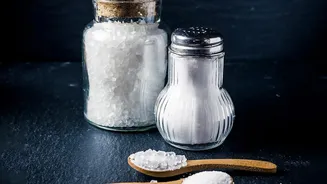
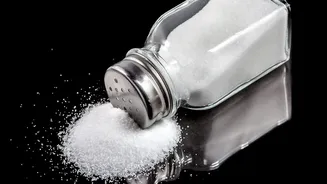
India has a long history of tackling iodine deficiency, a significant public health issue historically linked to low iodine levels in the soil in many regions. Recognizing this, the government launched the National Goitre Control Programme in 1962, which later evolved into the National Iodine Deficiency Disorders Control Programme (NIDDCP). The cornerstone of this initiative is Universal Salt Iodisation (USI), the simple strategy of adding iodine to table salt. This has been a major public health success, dramatically increasing the number of households consuming iodised salt and reducing deficiency disorders nationwide. However, gaps remain, and not all salt is adequately iodised, meaning deficiency is still a concern for some.
The Dangers of Guessing and Self-Supplementing
With the rise of wellness culture, it can be tempting to self-diagnose based on symptoms and start taking an iodine supplement. However, this is a dangerous approach. Taking too much iodine can be as harmful as taking too little. An excess of iodine can paradoxically cause the thyroid to shut down, leading to hypothyroidism—the very condition you might be trying to prevent. In other cases, it can trigger hyperthyroidism (an overactive thyroid), especially in people with underlying thyroid issues. High doses can also lead to inflammation of the thyroid and, in acute cases of toxicity, cause symptoms like nausea, vomiting, and even shock. Balance is crucial, and more is definitely not better.
How to Get a Proper Medical Assessment
If you suspect you have an iodine deficiency based on your symptoms, the only safe next step is to consult a doctor. A healthcare professional can assess your symptoms and order the right tests to get a clear picture. Diagnosis often involves a physical exam to check for a goitre and laboratory tests. A urine test is a common way to screen for iodine levels. Blood tests can also be used to measure your levels of thyroid-stimulating hormone (TSH) and thyroid hormones (T4 and T3), which show how well your thyroid is functioning. Based on these results, a doctor can confirm a deficiency and prescribe the correct dose of supplements if needed, ensuring you get what your body requires without risking an overdose.
Finding Iodine on Your Plate
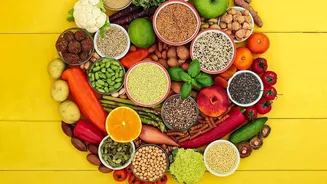
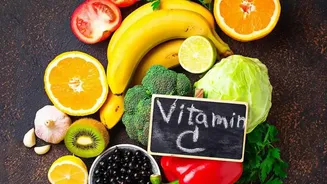
For most people, the easiest way to get enough iodine is by using iodised salt in cooking. Beyond salt, several foods are naturally good sources. Dairy products like milk, curd, and paneer are reliable contributors. For non-vegetarians, seafood such as fish and prawns are among the richest natural sources. Eggs also contain a useful amount of iodine. Some vegetables and fruits, like potatoes (especially with the skin on) and bananas, provide smaller amounts. While certain vegetables like cabbage and cauliflower contain compounds that can interfere with iodine absorption, this is generally only a concern for those with a pre-existing low intake, and cooking reduces this effect.