






Decoding the Latest Numbers
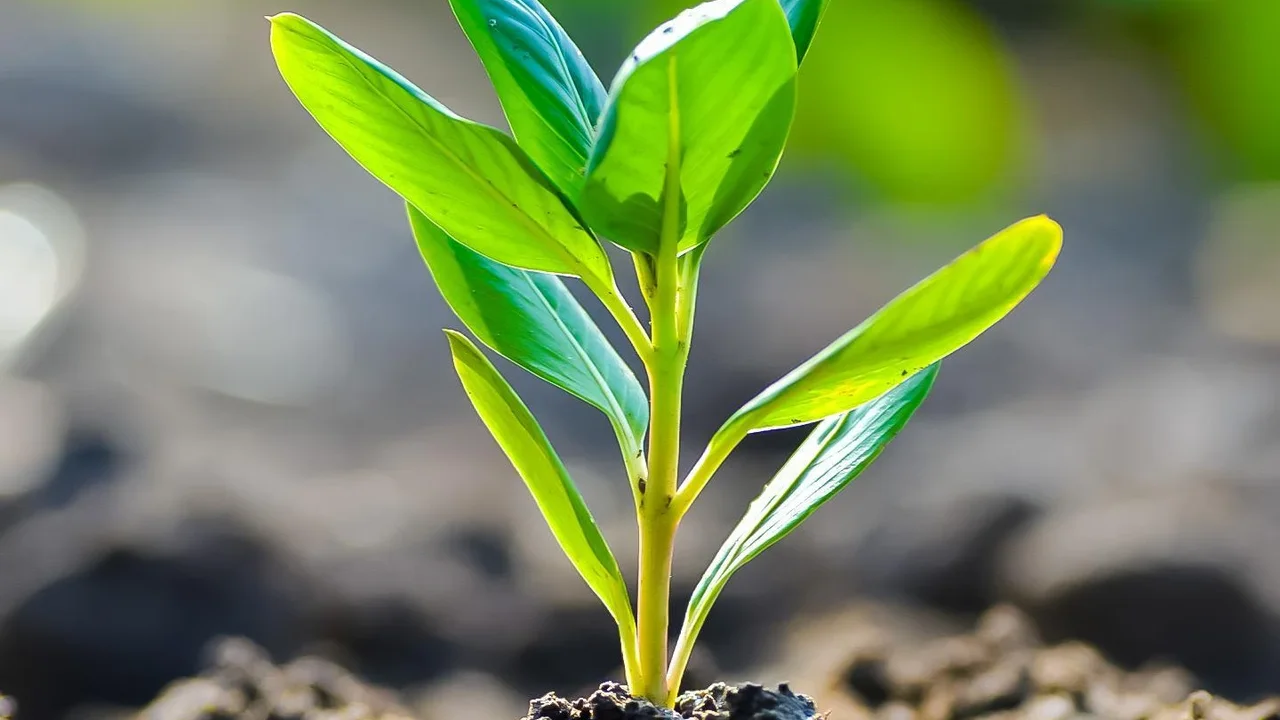
The Ministry of Agriculture and Farmers Welfare's Third Advance Estimates for 2025-26 project a record-breaking year for Indian agriculture. Total foodgrain production is estimated at an all-time high of 376.56 million tonnes. Specifically for rice, production is forecast
to hit a new record of 154.02 million tonnes. This represents a significant increase from previous years and positions India as a leading global producer. These headline figures are crucial indicators, watched closely by farmers, traders, policymakers, and the agribusiness sector as they signal potential market trends and inform strategies for the months ahead.
The Science Behind the Prediction
These forecasts are not mere guesswork; they are the result of a complex, multi-layered process. The government primarily uses a combination of methods. One key component is field surveys, including traditional Crop Cutting Experiments (CCEs), where yields from small, randomly selected plots are measured and extrapolated. This ground-level data is increasingly supplemented by modern technology. Satellite imagery helps assess acreage and crop health over vast areas, while advanced statistical and machine learning models, such as ARIMA (Auto-Regressive Integrated Moving Average) and Support Vector Regression (SVR), analyze historical data and trends to predict future output. These models consider various parameters like area under cultivation and historical production to identify patterns and generate forecasts.
The Monsoon Wildcard
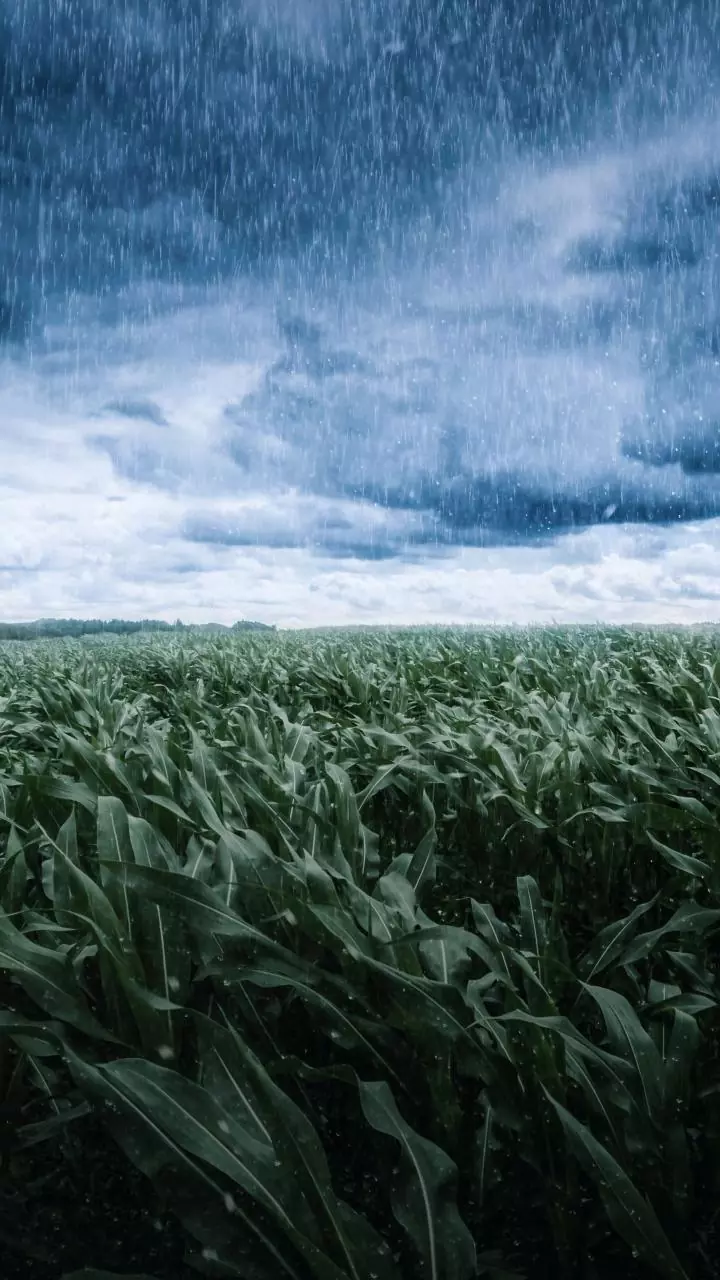
No factor influences the fate of India's Kharif rice crop more than the monsoon. While forecasters build rainfall assumptions into their models, the reality is often far more complex. The timing of the monsoon's onset, its geographical distribution, and its intensity throughout the season can dramatically alter outcomes. A well-distributed monsoon can lead to a bumper crop, as good rainfall boosts soil moisture and supports healthy plant growth. Conversely, a delayed or erratic monsoon can lead to reduced planting area, lower yields, and increased pest attacks, potentially rendering early forecasts overly optimistic. Climate change is making monsoon patterns increasingly difficult to predict, adding another layer of uncertainty that farmers and forecasters must grapple with.
Beyond the Weather
While the monsoon gets the most attention, several other variables can impact the final production numbers. Pest and disease outbreaks can devastate standing crops, significantly reducing yields in affected regions. Economic factors also play a major role. The availability and cost of key inputs like fertilisers, seeds, and labour can influence farmers' decisions and the overall productivity of their fields. Furthermore, government policies can be a significant disruptor. Sudden changes in Minimum Support Prices (MSP), procurement targets, or export/import regulations can alter market dynamics and farmer behaviour, leading to outcomes that weren't factored into initial statistical models.
So, How Reliable Are They?
Given these variables, it's wise to view production forecasts as directional guides rather than infallible prophecies. They provide a valuable, evidence-based outlook on the potential scale of the harvest, but they come with a margin of error. Short-term weather forecasts (3-7 days) are generally accurate, but sub-seasonal and seasonal forecasts—which are crucial for crop outcomes—are less reliable. Studies show that while modern forecasting models are improving, they can still be thrown off by unforeseen climatic events or policy shifts. The real value of these surveys lies in providing a baseline expectation, which can then be adjusted as more real-time information becomes available through the season.
A Practical Reader's Guide
For anyone whose livelihood depends on the agricultural sector, the best approach is to use these national forecasts as one tool among many. Cross-reference the big-picture numbers with local information. Pay close attention to regional weather updates from the India Meteorological Department (IMD), local mandi price trends, and on-the-ground reports about crop health in your specific area. Farmers can use accurate, shorter-term forecasts to make tactical decisions about when to plant, what to plant, and how to manage irrigation. For traders and business owners, these forecasts are a starting point for risk management, best used in conjunction with market intelligence and an understanding of the variables that can—and often do—change.