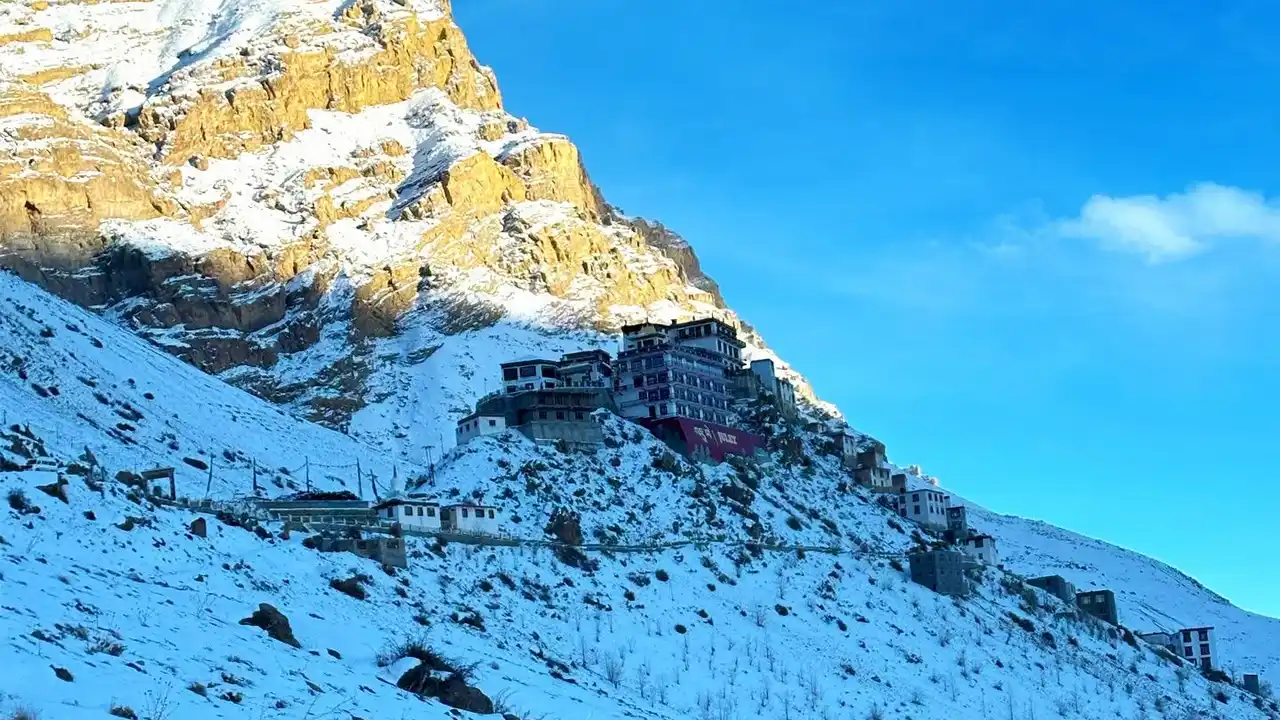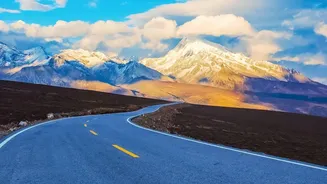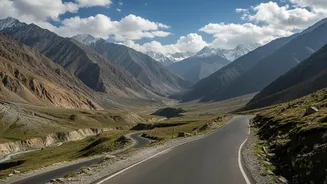

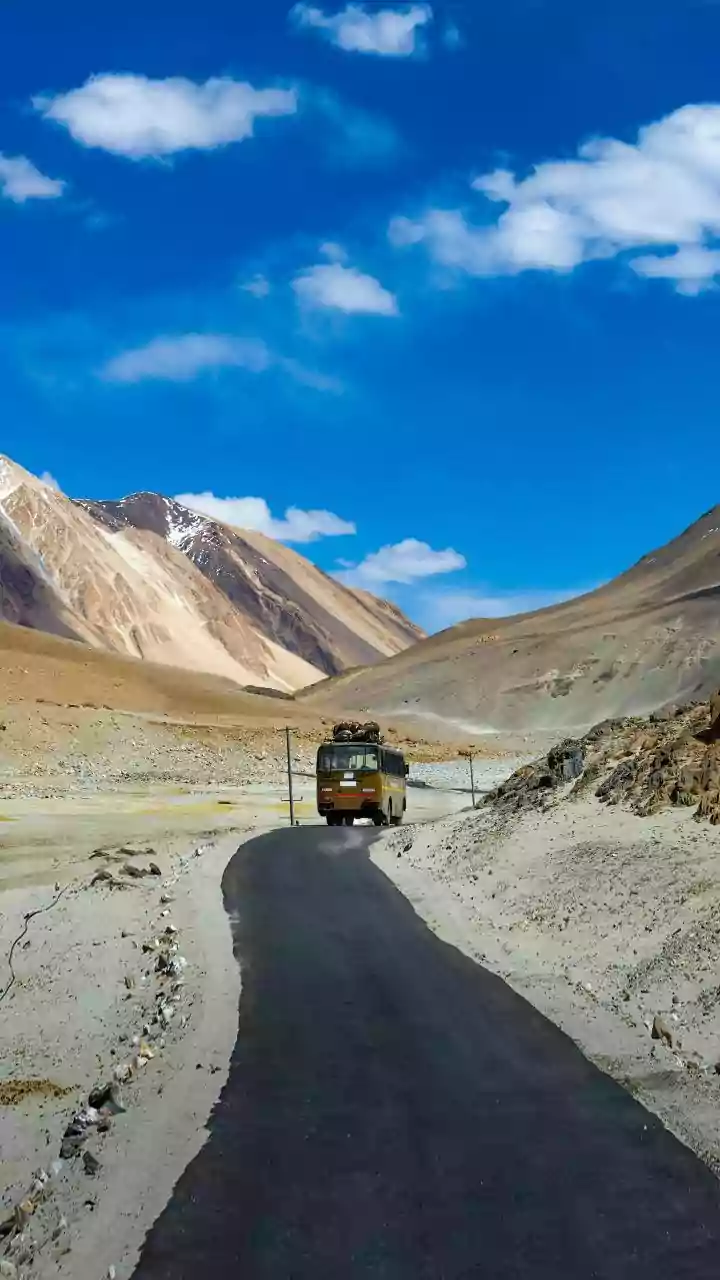
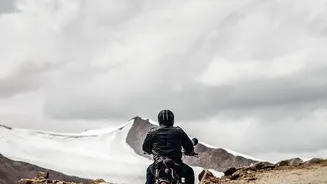
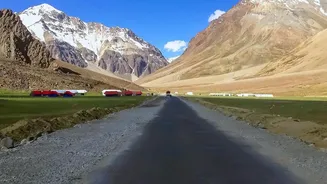
Understanding the Late Monsoon Challenge
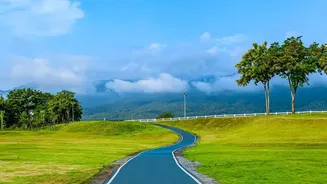
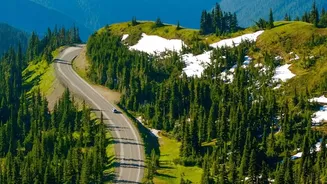
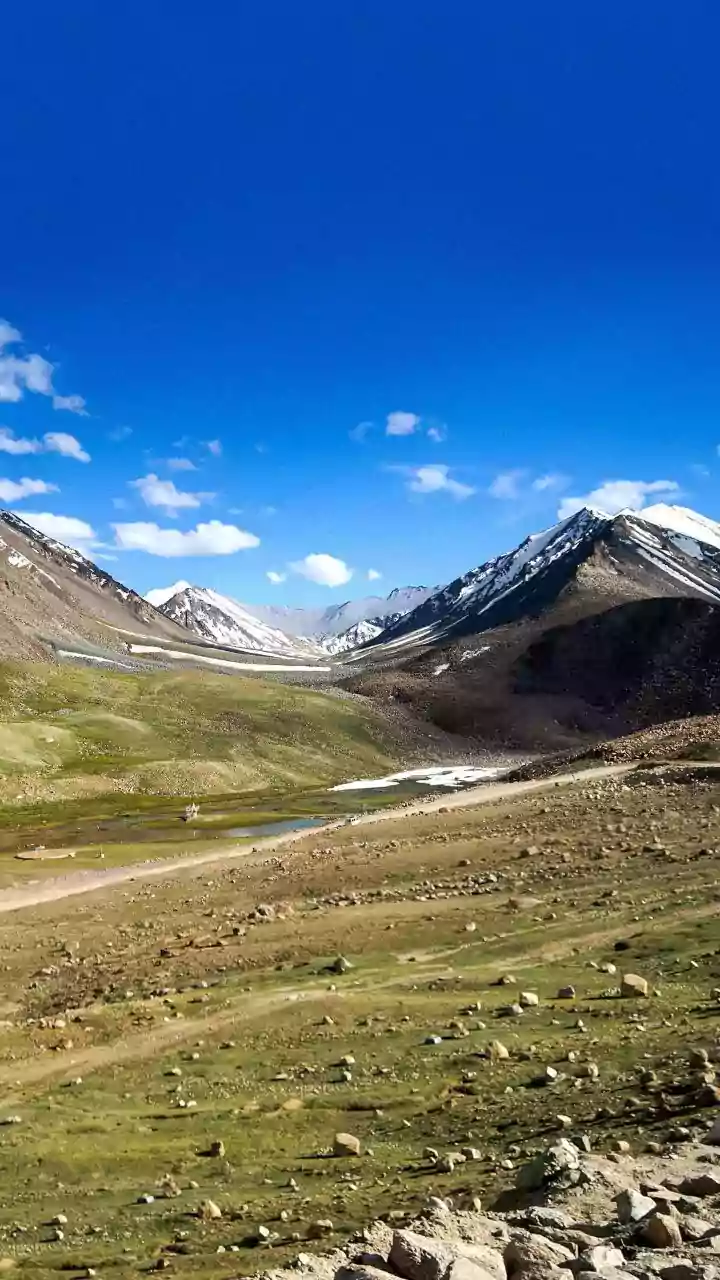
Driving the Manali-Leh route between late August and September offers a magical window. The harshest of the monsoon has often passed, leaving behind lush green valleys in the lower regions and clearer skies up high. However, this period is unpredictable.
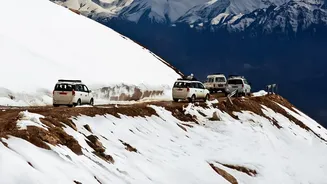
The primary challenges are not in Ladakh itself, which lies in a rain-shadow region, but on the approach from Manali. You must be prepared for rain-damaged roads, slush, and the ever-present risk of landslides. The most iconic obstacle is the network of water crossings, or nalas, which are streams fed by glacial melt and rain. These can be gentle trickles in the morning but swell into powerful torrents by the afternoon as the sun melts ice at higher elevations. Planning your journey to cross these sections early is a critical strategy.
Your Vehicle: The Ultimate Adventure Partner
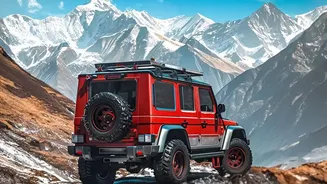
Your vehicle’s reliability is paramount. While a 4x4 or a high-ground-clearance SUV is ideal, many have completed the journey in well-prepared sedans, though it significantly increases the risk of underbelly damage. Regardless of your car, a thorough service is non-negotiable. Pay special attention to brakes, suspension, and the clutch system, as these will be under constant strain. Your tyres should have excellent tread; all-terrain (AT) tyres are highly recommended over standard highway tyres. Check all fluids, including engine oil, coolant, and brake oil. Ensure your electrical systems—battery, headlights, and horn—are in perfect working order. Pack a comprehensive toolkit, a puncture repair kit, a tow rope, and a reliable tyre inflator. Also, carry essential spares like extra fuses, headlight bulbs, and clutch/accelerator cables.
Acclimatisation: Respecting the Altitude
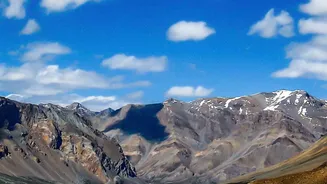
Acute Mountain Sickness (AMS) is a serious and potentially life-threatening condition caused by ascending to high altitudes too quickly. Its symptoms include headache, dizziness, nausea, and fatigue. The Manali-Leh highway involves crossing several passes above 5,000 meters, making gradual acclimatisation essential for safety. The golden rule is to ascend slowly. Plan your itinerary over a minimum of two, and preferably three, days. Avoid the temptation to rush. A common and recommended plan is to make your first overnight halt at Keylong or Jispa (around 3,000-3,200 meters) instead of pushing on to Sarchu (over 4,200 meters). This allows your body crucial time to adjust before tackling the higher passes on the second day. Staying at Sarchu on the first night significantly increases the risk of AMS.
The Rules of High-Altitude Health
Hydration is your best defence against AMS. Aim to drink at least 4-5 litres of water daily. Avoid alcohol and smoking, as they hinder the body's ability to absorb oxygen and can worsen symptoms. Eat light, high-carbohydrate meals which are easier to digest in low-oxygen environments. Listen to your body. If you feel any symptoms of AMS, do not ascend further. Rest, hydrate, and if symptoms persist or worsen, the only cure is to descend to a lower altitude immediately. It is wise to consult your doctor before the trip about preventative medication like Acetazolamide (Diamox), but never take it without a prescription. Carrying a portable oxygen canister for emergencies is also a common precaution.
Essential Packing and On-Road Strategy
Pack for all weather conditions by dressing in layers. Carry thermals, fleece jackets, and a waterproof and windproof outer layer. Sunglasses with UV protection, sunscreen, and lip balm are vital for protection against the harsh high-altitude sun. For documentation, carry multiple copies of your government-issued ID, driving license, vehicle registration, and insurance. While Inner Line Permits are not typically required for the main highway, check the latest regulations before you travel. Fuel is only available in Manali and then not again until Tandi, about 110 km away. The next fuel station is nearly 350 km further in Karu, near Leh, so filling up at Tandi is mandatory. For navigation, download offline maps as mobile connectivity is non-existent for most of the journey. Finally, always start your day early to cover challenging sections and water crossings before midday.