
The New Reign of Purple: Ube
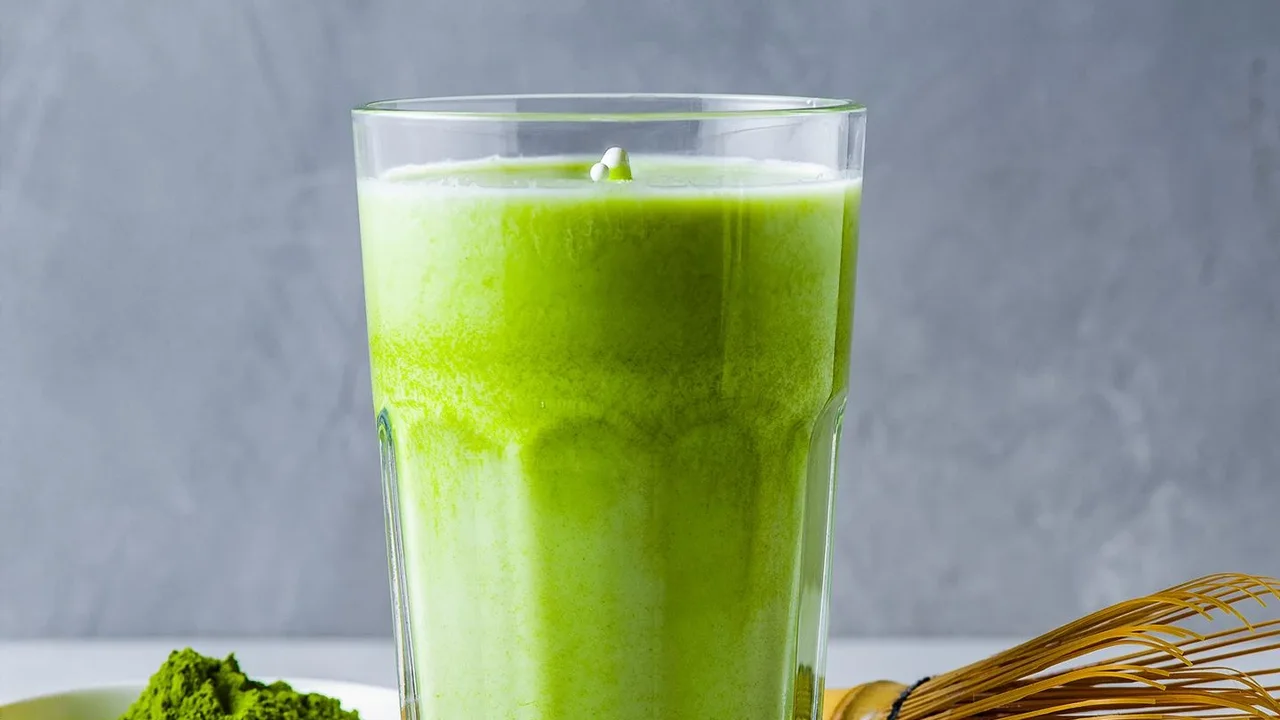
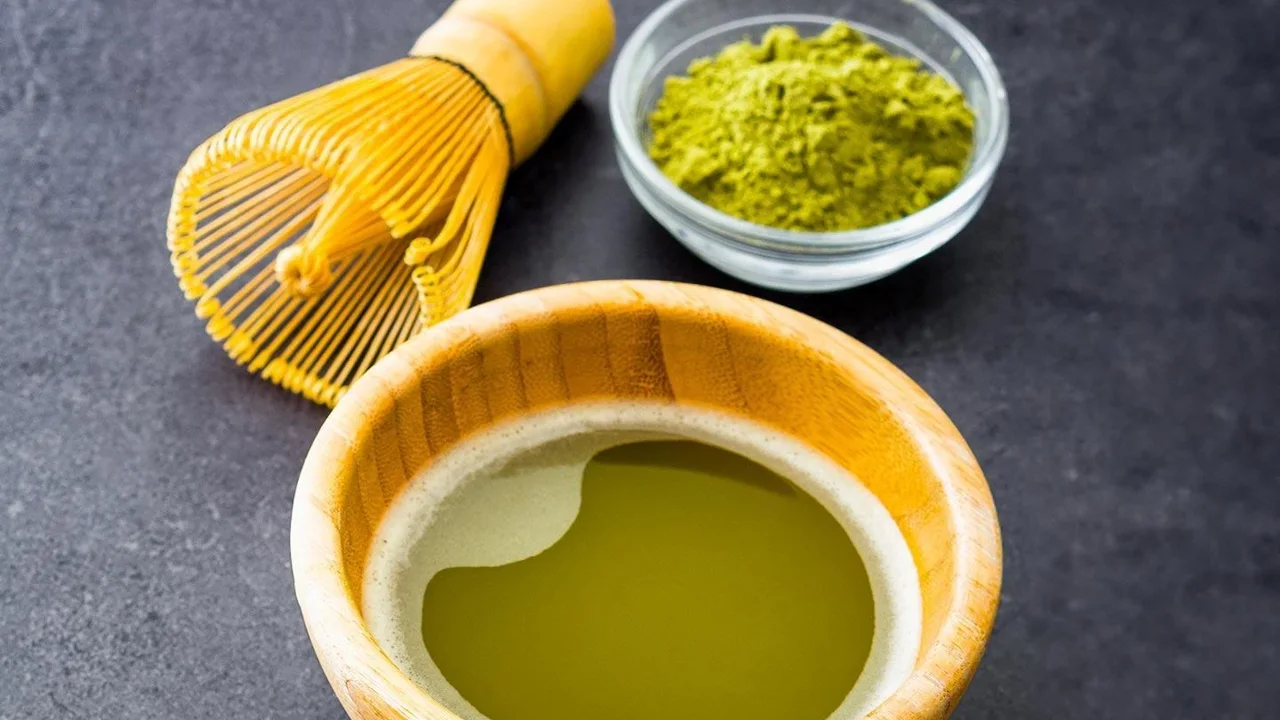
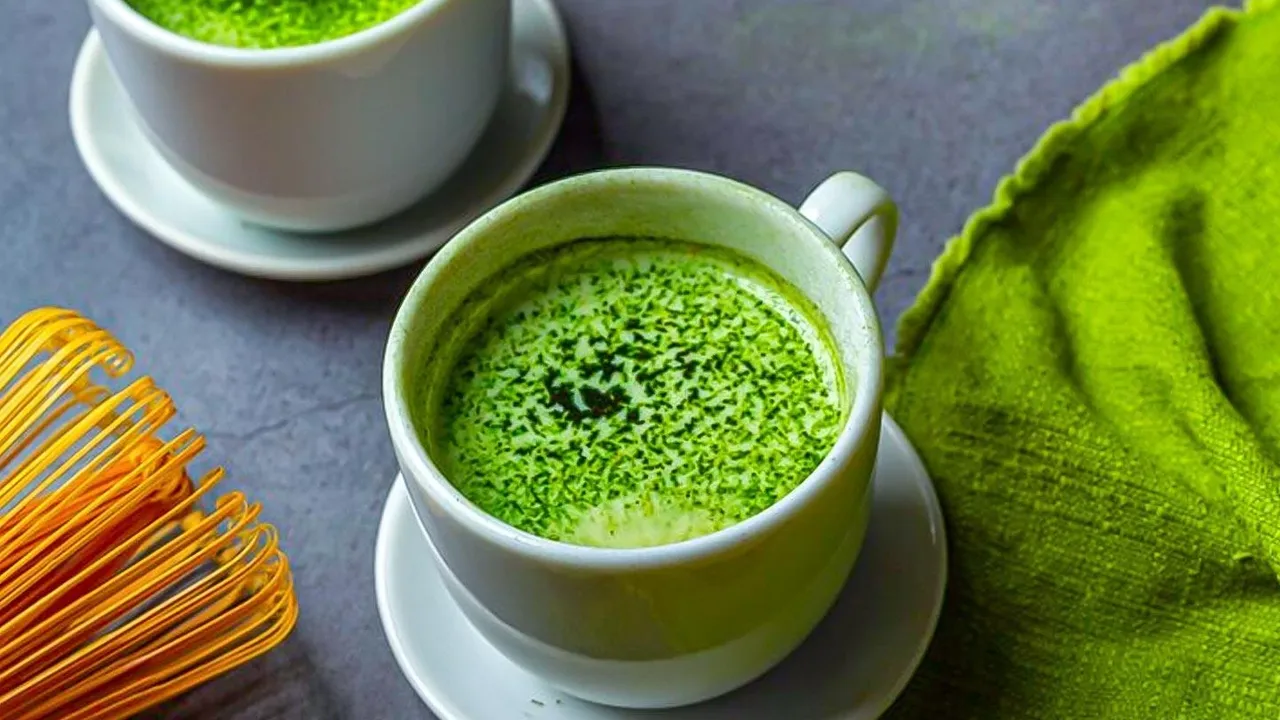
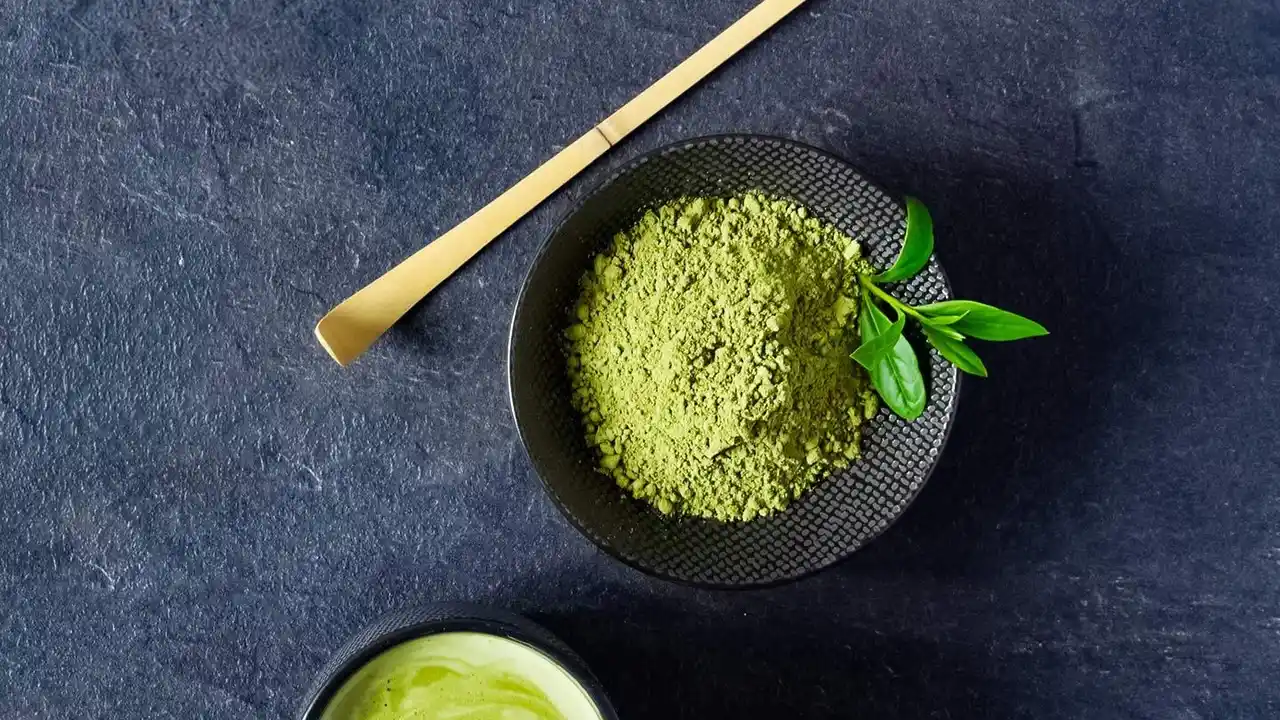
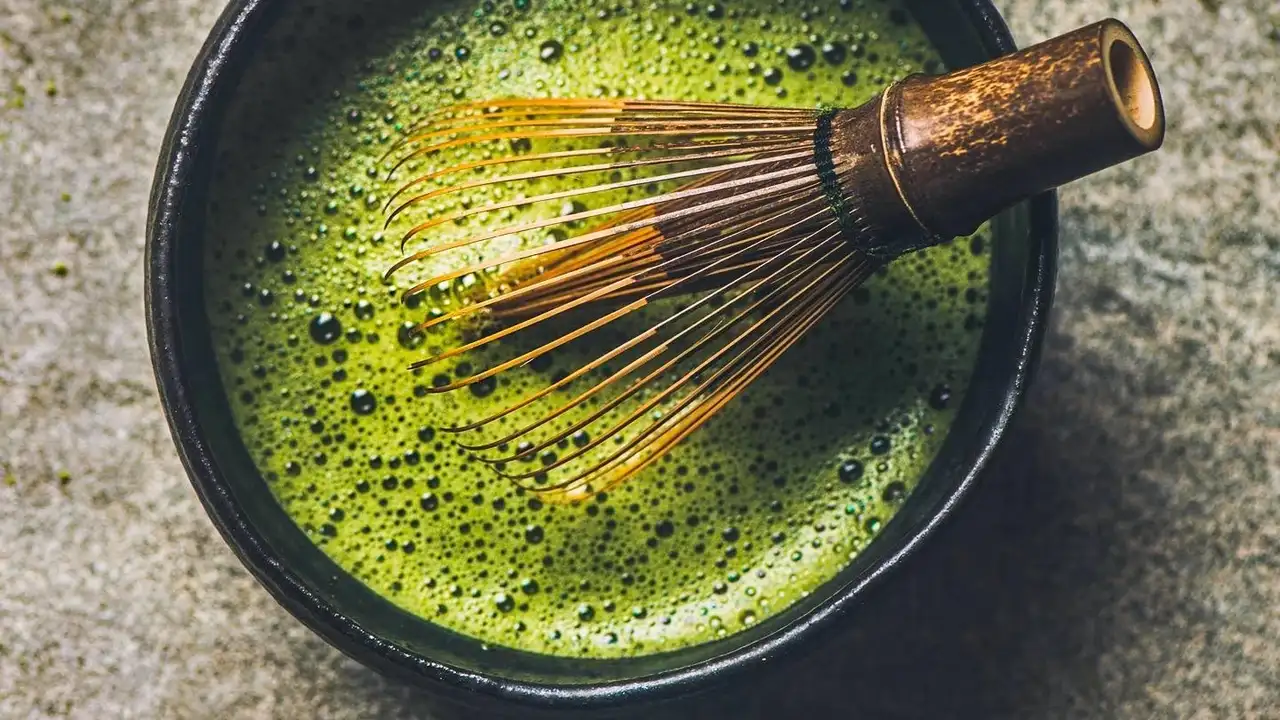
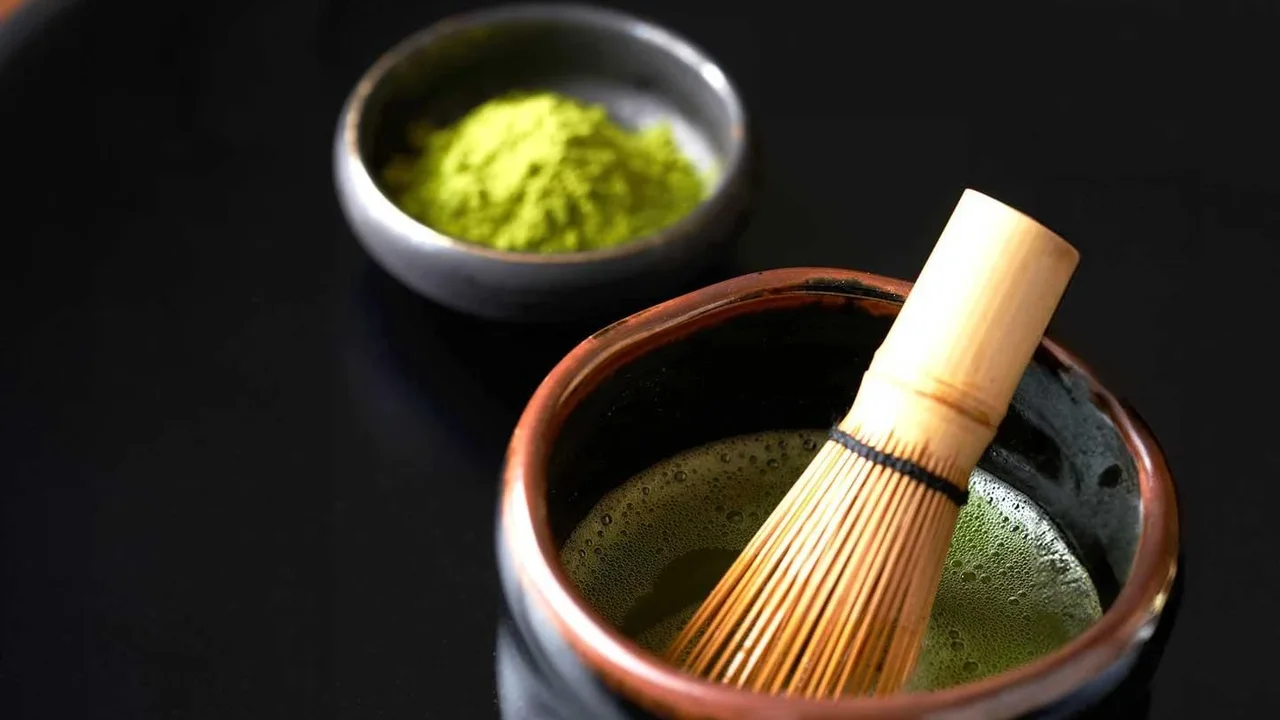
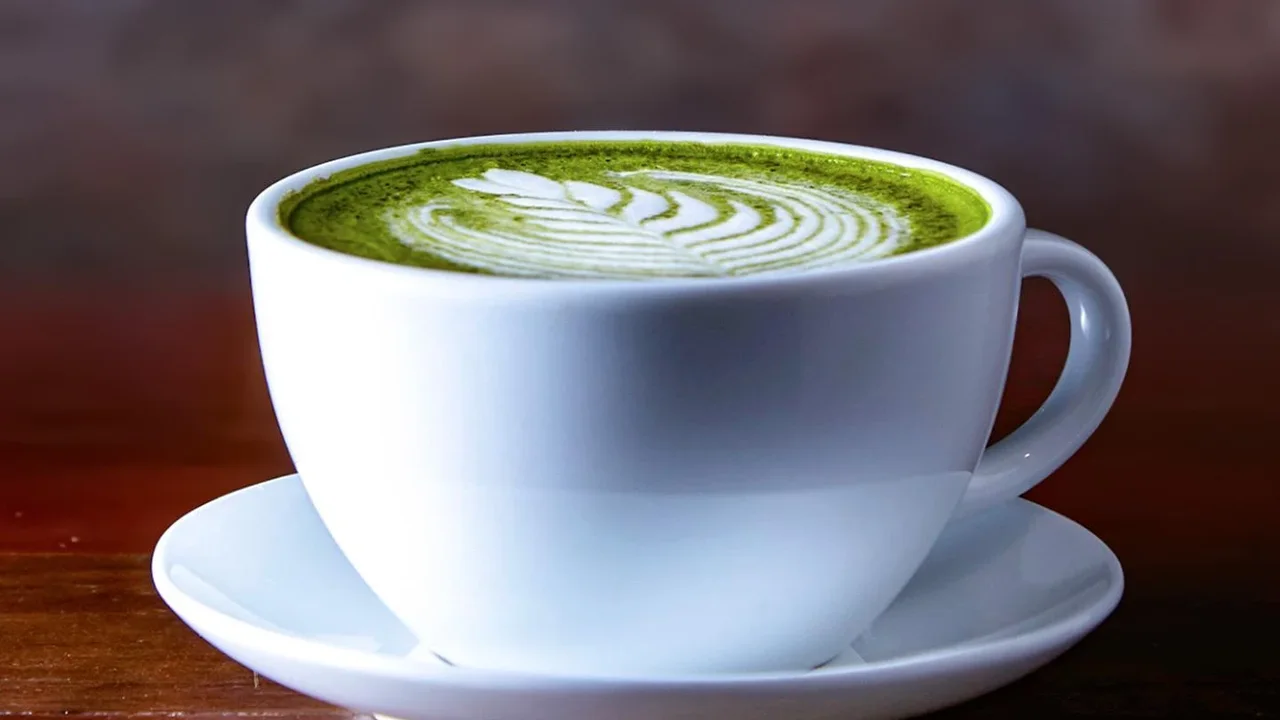
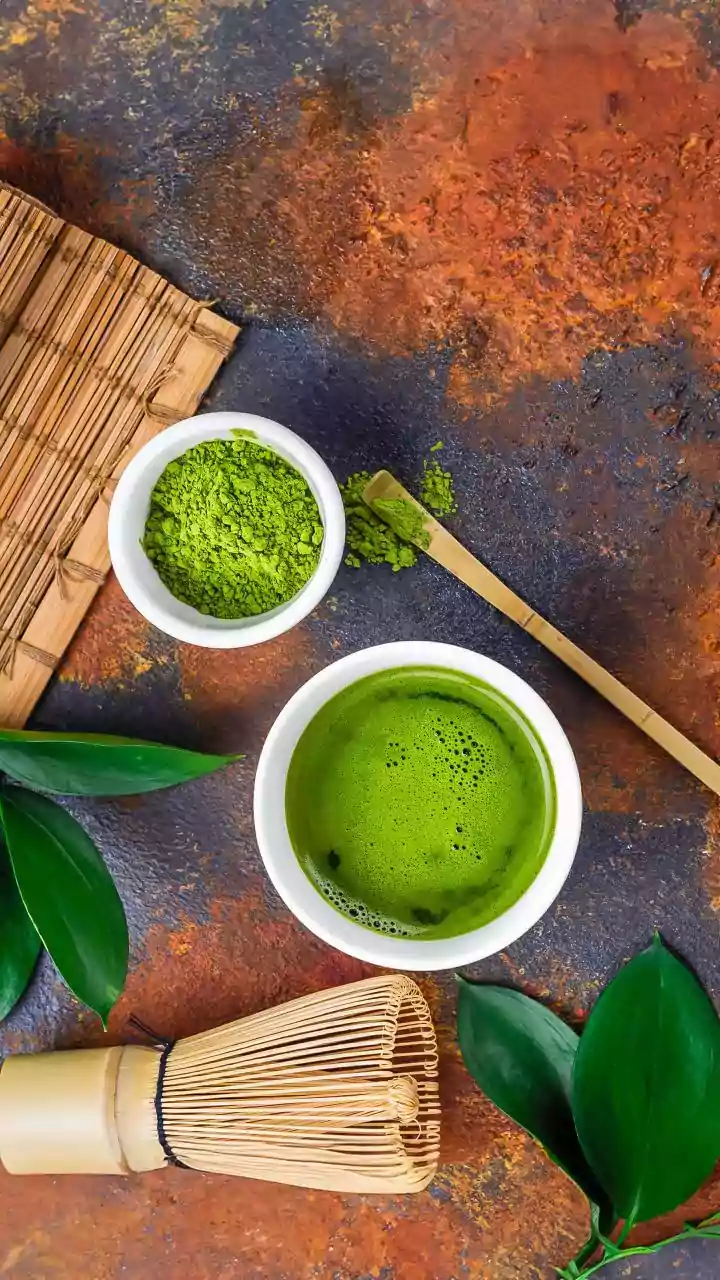
If matcha had a colour, it was green. The next star has a hue of its own: a vibrant, royal purple. Meet ube, a purple yam from the Philippines that is rapidly being crowned the ‘next matcha’. Long a staple in Filipino desserts, ube’s appeal is twofold.
First, its stunning colour makes it a social media sensation, perfect for creating photogenic lattes, ice creams, and cakes. But beyond its looks, ube boasts a unique flavour—a gentle, nutty sweetness with hints of vanilla and coconut that is both comforting and intriguing. Its versatility is seeing it appear in everything from cream liqueurs to cheesecakes. The global demand is already surging, with major cafe chains adding it to their menus, signalling that this purple wave is more than just a passing trend.
The 'Swicy' Sensation We Already Knew
One of the biggest trends taking over menus is 'swicy'—the delightful collision of sweet and spicy. Think hot honey drizzled on paneer tikka, mango with a kick of chilli oil, or spicy chocolate desserts. While the name might be a new buzzword, the concept is anything but new to the Indian palate. For generations, we've mastered this balance in our chutneys, chaats, and pickles, pairing jaggery with tamarind or fruit with chilli. What’s different now is that the world is catching on, giving this flavour profile a global stage and a catchy name. This trend represents a modern evolution of an innate desire for complex flavours, moving beyond simple sweetness or heat to find a more adventurous and satisfying middle ground.
The Green Evolution: Hojicha and Pandan
While ube brings a new colour to the table, the love for green drinks isn’t gone—it’s just evolving. Enter hojicha, a Japanese green tea that is roasted instead of steamed. This process gives it a warm, nutty, and slightly caramel-like flavour with much lower caffeine content than its cousin, matcha. For those who find matcha’s grassy intensity a bit too much, hojicha offers a comforting, accessible alternative that’s perfect for an evening latte. Joining it is pandan, often called the 'vanilla of Southeast Asia'. This tropical plant leaf lends a fragrant, subtly sweet, and grassy aroma to everything from cakes to rice. It’s not trying to be the next matcha, but rather carving out its own lane as a uniquely versatile flavouring that feels both new and timeless.
A Citrus Shake-Up: Yuzu and Calamansi
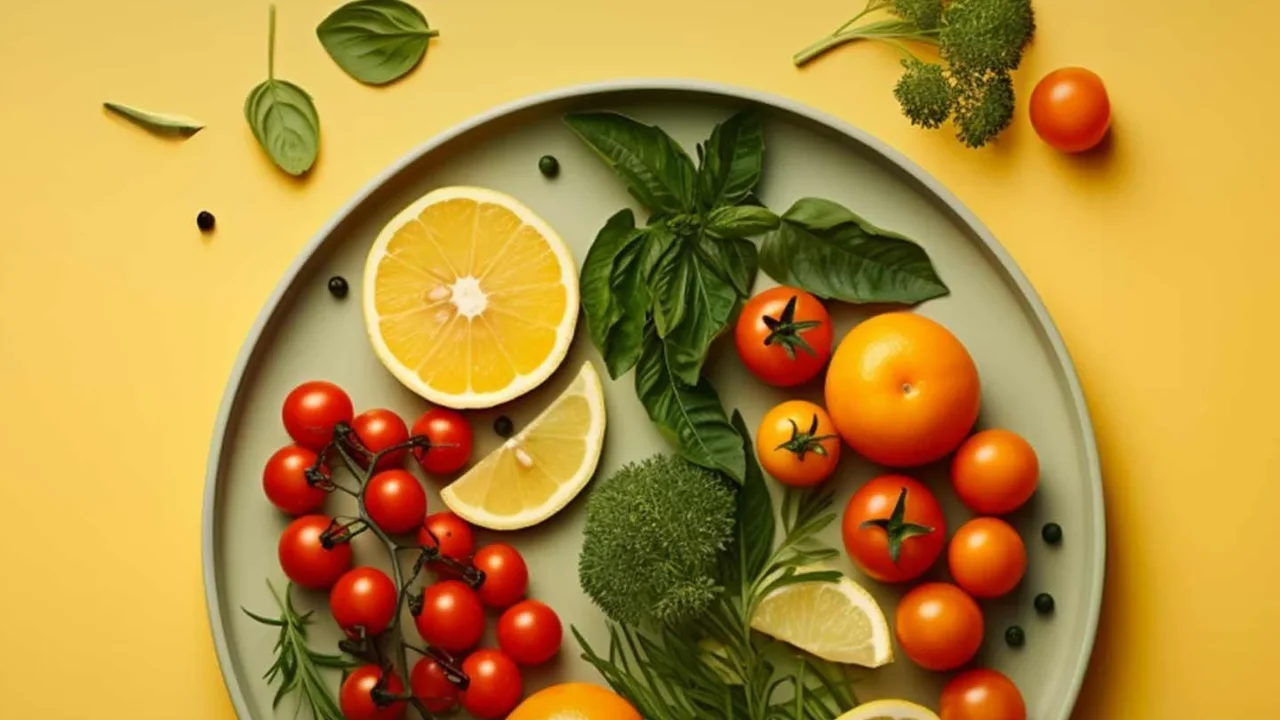
For years, lemon and lime have dominated the world of tartness. Now, a new class of citrus is stepping into the spotlight. Yuzu, a fragrant Japanese fruit, is leading the charge. Tasting like a complex cross between a grapefruit, a mandarin, and a lemon, its aromatic zest and juice are transforming everything from salad dressings to cocktails and marinades. Its unique floral and sour notes provide a kick that is both refreshing and sophisticated. Alongside it, calamansi, a smaller citrus from the Philippines, is also gaining traction for its distinctively sour and fragrant profile. These fruits are part of a broader shift towards more nuanced and specific flavours, proving that even a simple squeeze of citrus can be an opportunity for discovery.