






More Than Just Chai
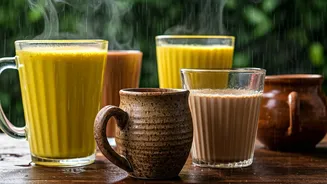
For generations, masala chai has been the undisputed king of beverages, especially when the weather turns grey. But in recent years, a quieter, more intentional ritual has taken root. The monsoon is no longer just about pakoras and chai; it’s become the unofficial
season of the herbal infusion. This shift isn't just a fleeting trend. It represents a deeper, collective turn towards wellness, a rediscovery of ancient wisdom packaged for modern life. Spurred by a greater focus on immunity and holistic health, Indians are looking into their own kitchens and gardens for comfort and protection against seasonal sniffles, embracing the power of simple, natural ingredients.
The Soothing Defender: Tulsi Tea
If there's one herb that defines Indian home remedies, it's Tulsi, or Holy Basil. Revered for centuries in Ayurveda, this fragrant leaf is a powerhouse. During the monsoon, when coughs and colds are common party crashers, a cup of Tulsi tea is like a warm, protective hug. It’s traditionally believed to support the respiratory system and boost the body's natural defences. The aroma itself is calming—a clean, slightly peppery scent that cuts through the dampness of a rainy day. To prepare it, simply boil a handful of fresh Tulsi leaves in water for a few minutes, strain, and perhaps add a drop of honey. It’s a simple, potent brew that tastes like tradition.
The Zesty Classic: Ginger, Lemon & Honey
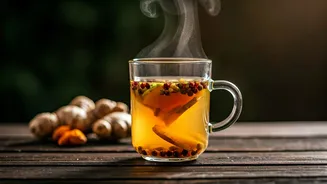
This trio is the ultimate comfort blend, a timeless classic passed down through generations. The sharp, spicy kick of ginger is brilliant for soothing a scratchy throat, while the brightness of lemon adds a dose of Vitamin C and cuts through any feeling of heaviness. Honey coats the throat and lends a natural sweetness, balancing the other two ingredients perfectly. It's the go-to drink for the first sign of a monsoon flu, offering immediate relief and a feeling of being cared for. Making it is as easy as steeping freshly grated ginger in hot water, then stirring in a squeeze of lemon juice and a spoonful of honey to taste. It’s a vibrant, warming concoction that feels both medicinal and delicious.
The Golden Healer: Turmeric Tea
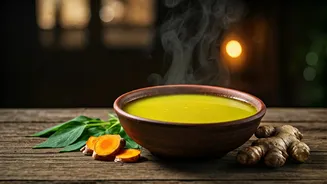
The West may have recently discovered the 'golden latte,' but Haldi Doodh (turmeric milk) has been an Indian staple forever. The water-based version, turmeric tea, is a lighter alternative that’s just as beneficial. Turmeric’s active compound, curcumin, is celebrated for its anti-inflammatory properties. During the damp monsoon months, when aches and lethargy can set in, a cup of turmeric tea can feel wonderfully restorative. Its earthy, slightly bitter flavour is an acquired taste for some, but when blended with a pinch of black pepper (which helps the body absorb curcumin) and a sliver of ginger, it becomes a deeply satisfying and grounding beverage. It’s a cup of liquid gold that promises inner warmth.
The Calming Adaptogen: Ashwagandha Tea
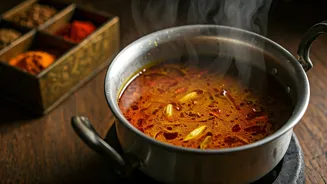
The monsoon isn't just about physical ailments; the endless grey skies and reduced sunlight can also affect our mood. This is where Ashwagandha comes in. As a powerful adaptogen, this ancient herb is known for its ability to help the body manage stress and promote a sense of calm. While traditionally consumed as a powder mixed with milk or ghee, Ashwagandha tea is gaining popularity as a modern, accessible alternative. Its flavour is earthy and robust, often mellowed with other spices like cardamom or cinnamon. Sipping on Ashwagandha tea while listening to the rain can be a meditative experience, helping to quiet the mind and foster a sense of tranquility amidst the downpour.