




The New Age of Effortless Credit
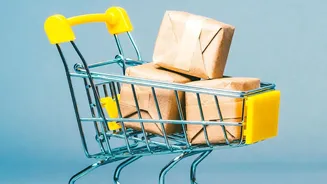
The landscape of borrowing in India has fundamentally changed. Gone are the days when taking a loan meant lengthy paperwork and multiple visits to a bank. Today, the credit market is dominated by digital lending apps and 'Buy Now, Pay Later' (BNPL) services
integrated into almost every e-commerce platform and food delivery app. This shift is driven by a demand for instant, small-ticket loans for consumption—buying electronics, fashion, and even paying for daily expenses. In financial year 2026, digital lenders and apps accounted for over three-quarters of all personal loans by sheer volume. While the average loan size is small, often around ₹16,000, their accessibility has made them a popular choice, especially among younger, urban Indians.
How Small Loans Cast a Long Shadow
Here is the critical detail that many users miss: these are not informal credit lines. The Reserve Bank of India (RBI) has issued strict guidelines making it mandatory for all regulated lenders to report every single digital loan to credit information companies (CICs) like CIBIL, regardless of the amount or tenure. This means that every time you use a 'Pay Later' facility, it is recorded on your credit report as a formal, short-term loan. Missing a payment, even by a few days, gets reported as a default and can cause your credit score to drop significantly. Juggling balances across multiple BNPL apps can also be a red flag for lenders, as it signals 'credit-hungry' behaviour and poor debt management, further damaging your score.
The Growing Gap Between Access and Awareness
While access to credit has expanded dramatically, financial literacy has not kept pace. Recent surveys paint a stark picture: only about 27% of Indian adults are considered financially literate. A June 2026 survey by NABARD found that fewer than one in four rural households even knew what a credit score was. This knowledge gap is the biggest risk in the new credit ecosystem. Millions of Indians are using sophisticated financial products without fully understanding the long-term consequences. A low credit score can lead to rejection for future loans, higher interest rates on everything from personal loans to mortgages, and in some cases, can even affect insurance premiums or job prospects during background checks.
Your Guide to Mastering Your Credit Health
Protecting and improving your credit score in this new environment is not complicated, but it does require discipline. The most important factor, accounting for 35% of your score, is your payment history. Always pay all your dues—credit card bills, loan EMIs, and BNPL instalments—on time. Set reminders or enable auto-pay to avoid missing deadlines. Secondly, manage your credit utilisation ratio. Try to keep your spending on any credit card below 30% of the total available limit. Avoid applying for multiple new loans or credit cards in a short period, as each application triggers a 'hard inquiry' that can temporarily lower your score. Finally, treat every BNPL transaction with the seriousness of a formal loan, because that is exactly what it is.
Stay Proactive, Not Reactive
One of the best habits you can cultivate is regularly monitoring your financial health. Under RBI rules, every individual is entitled to one free full credit report from each of India's four credit bureaus (CIBIL, Experian, Equifax, and CRIF High Mark) every calendar year. Make it a point to download and review these reports. Check for any errors, such as loans you did not take or incorrect payment statuses. Disputing and correcting inaccuracies is a straightforward process and can provide an immediate boost to your score. Knowing where you stand allows you to take corrective action before a small issue snowballs into a major financial roadblock.