




The monsoon may be withdrawing, but the weather remains unpredictable. One part of the country is drying out, while another faces unexpected downpours. Here’s how to navigate this tricky transitional season with practical, region-specific advice.
Understanding the Withdrawal Phase
The post-monsoon
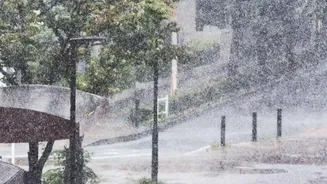
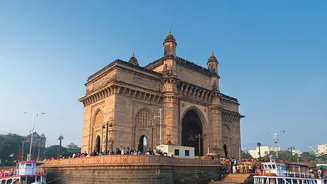
period, typically spanning October and November, is defined by the withdrawal of the Southwest Monsoon. This retreat isn't a simple switch-off; it's a gradual process that creates a complex weather map across India. As of early October 2026, the monsoon has withdrawn from many parts of north, central, and west India, including Mumbai, where the retreat was five days earlier than normal. However, this doesn't mean the rain has stopped everywhere. While northern states like Rajasthan and Punjab are becoming dry and pleasant, the southern peninsula and northeastern states can still expect significant rainfall. This unevenness is due to multiple factors, including the Northeast Monsoon which brings rain to Tamil Nadu and parts of Andhra Pradesh, and the potential for cyclonic systems to form over the Bay of Bengal and Arabian Sea.
Health and Safety: A Season of Vigilance
The combination of lingering humidity and intermittent rain creates ideal breeding grounds for mosquitoes. This makes the post-monsoon season a high-risk period for vector-borne diseases like dengue, malaria, and chikungunya. Health authorities emphasize prevention through source reduction. This means diligently checking for and eliminating stagnant water in and around your home—in flower pot trays, coolers, and discarded containers. Using mosquito nets and repellents, especially during early mornings and evenings, is crucial. Personal hygiene is also paramount. Fungal infections can thrive in damp conditions, so it's important to dry your body thoroughly after being in the rain and to wear clean, dry clothes and footwear. If a high fever develops, seek medical advice promptly instead of self-medicating.
Region-Specific Travel Planning
October and November can be excellent months for travel, but your destination dictates your packing list. In North India—including Delhi, Agra, and Rajasthan—the weather becomes pleasant, with warm days and cooler nights, making it ideal for sightseeing. However, be prepared for a sharp drop in temperature at night in desert regions like Jaisalmer and Jodhpur. From late October, cities across the Indo-Gangetic plain, like Delhi, may experience significant smog from stubble burning, so carrying N95 masks is advisable for those with respiratory sensitivities. In contrast, Himalayan regions like Himachal Pradesh and Uttarakhand are transitioning into winter, with cold nights and clear, crisp days perfect for trekking. Meanwhile, South India, particularly Kerala and Tamil Nadu, may still receive considerable rainfall due to the retreating monsoon and the onset of the Northeast Monsoon.
Navigating Daily Urban Life
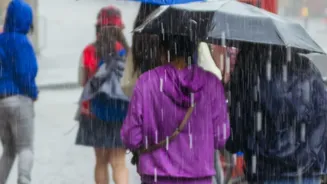
For city dwellers, the post-monsoon season presents its own set of challenges. A sudden, heavy downpour can lead to waterlogging and traffic chaos, even in areas where the monsoon has officially withdrawn. It's wise to keep rain protection, like an umbrella or a waterproof jacket, handy for daily commutes. Paying attention to weather forecasts from the India Meteorological Department (IMD) can help you anticipate and plan for such disruptions. At home, ensure your surroundings are clean to prevent pests and vector-borne diseases. This is also a good time to check for and repair any leaks in your roof or walls that were exposed during the heavy monsoon months. Strong winds can sometimes accompany post-monsoon thunderstorms, so securing loose items on balconies or terraces is a sensible precaution.
The Outlook for 2026
According to the IMD, the post-monsoon season from October to December 2026 is expected to bring below-normal rainfall for the country as a whole. This is influenced by a strengthening El Niño phenomenon in the Pacific Ocean, which tends to suppress rainfall over India. However, regional variations are still expected. Parts of northwest India and the southern peninsula are forecast to receive normal to above-normal rainfall. For the south, which relies on the Northeast Monsoon during these months, the outlook is for normal seasonal rainfall. Maximum temperatures are predicted to be above normal across most of the country, so while the rain may decrease, the heat might linger. Despite the official monsoon withdrawal, the IMD has issued alerts for continued rain and thunderstorms in several states, including Delhi, Uttar Pradesh, Kerala, and Karnataka, in early October.