







The Gold Standard: Saline Rinses
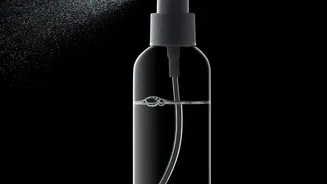
One of the most effective and recommended methods for clearing congestion is nasal irrigation. Using a saline (saltwater) solution with a neti pot, squeeze bottle, or spray helps flush out mucus, allergens, and other debris from your nasal passages. This
thins mucus, reduces inflammation, and improves the function of cilia—the tiny hairs that help clear your airways. Clinical evidence strongly supports saline irrigation for chronic sinus issues and shows it can be helpful for colds and allergies. The key is safety: always use distilled, sterile, or previously boiled water to avoid introducing harmful organisms into your sinuses. Tap water is not safe unless boiled first.
Warm and Soothing: Steam Inhalation
Breathing in warm, moist air is a classic remedy for a reason. The warmth and humidity from a hot shower, a bowl of hot water, or a humidifier can help loosen thick mucus, soothe irritated nasal passages, and provide temporary relief from congestion. While steam won't cure the underlying infection, it makes symptoms more manageable by moisturising the airways and making it easier to breathe. You can simply run a hot shower with the door closed or lean over a bowl of hot water with a towel over your head for 10-15 minutes. Just be careful to avoid burns from the hot water.
The Hydration Connection
It might sound simple, but drinking plenty of fluids is crucial. Staying hydrated helps thin out the mucus in your nasal passages, allowing it to drain more easily and reducing that feeling of pressure and blockage. While water is the best choice, warm beverages like herbal tea or clear broths can be especially soothing and provide the added benefit of steam. Try to avoid drinks that can lead to dehydration, such as those with alcohol or excessive caffeine.
The Spicy Debate: A Temporary Fix
Many people swear by spicy food for clearing their sinuses. The active compound in chili peppers, capsaicin, can indeed make your nose run by temporarily thinning mucus. However, this effect is often short-lived. For some, spicy food might actually worsen the problem by causing more inflammation and irritation in the nasal passages, a condition known as gustatory rhinitis. While it might provide a moment of relief for some, it's not a reliable solution and can backfire, especially for those with chronic sinus issues or acid reflux.
Essential Oils: Use With Care
Essential oils like eucalyptus, peppermint, and tea tree are popular additions to steam inhalation. Eucalyptus oil, in particular, contains a compound called eucalyptol (or cineole) which may help thin mucus and reduce inflammation. A few drops in a bowl of hot water for steam or in a diffuser can make breathing feel easier. However, essential oils are potent and should never be applied directly inside the nose or swallowed. Always dilute them and perform a patch test on your skin first. Their effect is largely for symptom relief and comfort rather than a cure.
Other Supportive Measures
Simple changes can also make a big difference. Applying a warm compress to your face can help ease sinus pressure and pain. Alternating between warm and cool compresses may also help loosen mucus. When you're resting, try elevating your head with an extra pillow. This uses gravity to help your sinuses drain, which can be especially helpful for reducing congestion at night.