


First, What Are Solar Winds?
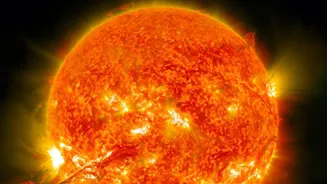
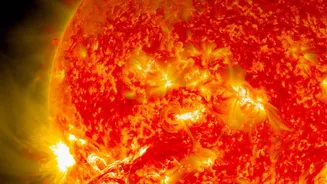
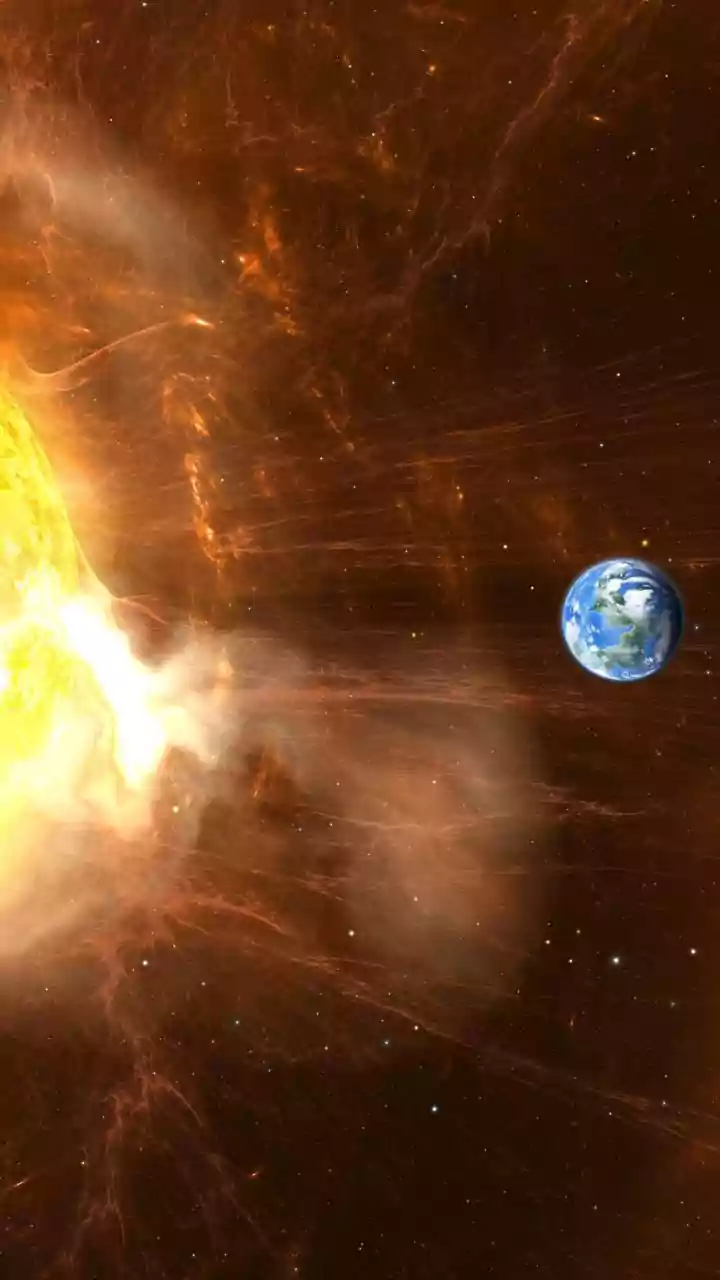
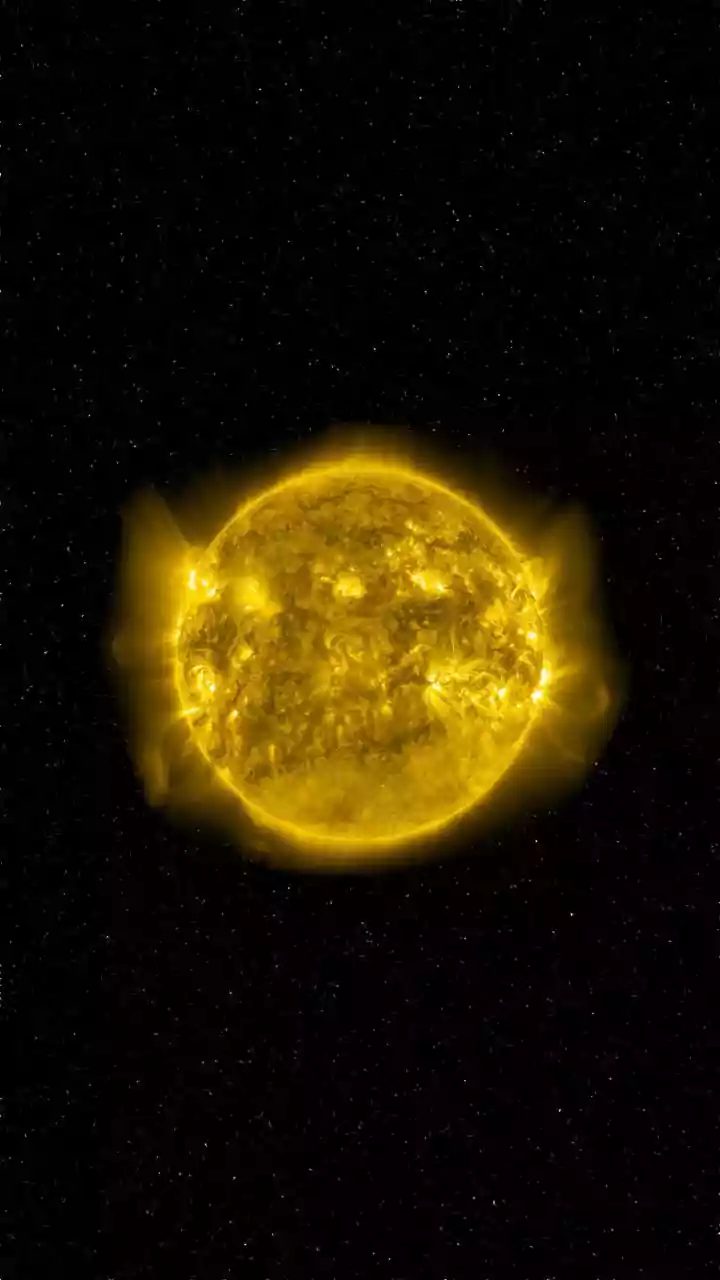
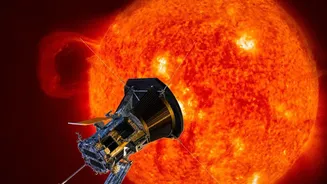
Think of the Sun not just as a source of light and heat, but as a dynamic star that constantly releases a stream of charged particles. This stream is called the solar wind. It flows outward from the Sun, carrying plasma and magnetic fields across the solar system.
While mostly invisible, the solar wind is a powerful force that shapes the space environment around Earth and other planets. Understanding its speed, composition, and temperature is crucial because sudden changes, known as space weather, can have significant effects on our technology.
Aditya-L1's Specialized Eyes on the Wind
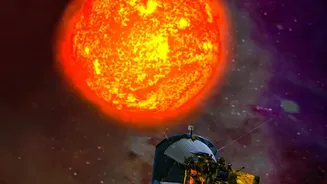
To study this phenomenon, Aditya-L1 is equipped with a suite of seven advanced instruments. Two of the key payloads for this task are the Aditya Solar wind Particle EXperiment (ASPEX) and the Plasma Analyser Package for Aditya (PAPA). These are not telescopes that 'see' the Sun, but in-situ instruments that 'feel' the space environment around the spacecraft. ASPEX measures the direction and energy of protons and heavier ions in the solar wind, while PAPA focuses on the electrons and ions in the lower energy range. Together, they provide a detailed, real-time profile of the particles streaming from the Sun.
Detecting the Impact of Solar Storms
One of the earliest successes for Aditya-L1's sensors was detecting the impact of Coronal Mass Ejections (CMEs), which are massive eruptions of solar plasma. The PAPA payload successfully identified the arrival of CMEs in late 2023 and early 2024. Its sensors recorded an abrupt increase in the counts of electrons and ions, confirming it could effectively act as an early warning system. Furthermore, the ASPEX instrument's ability to measure the ratio of alpha particles to protons is proving to be a sensitive marker for predicting the arrival of these ejections, which is a major step forward for space weather forecasting.
Unravelling Surprising Behaviours
Beyond simply detecting storms, Aditya-L1's data has helped scientists decode unusual geomagnetic disturbances on Earth. During intense solar storms in May and October 2024, scientists noted a puzzling pattern: while most of Earth experienced expected magnetic field changes, regions near dawn showed the opposite effect. Data from Aditya-L1 was crucial in confirming that these anomalies were driven by sudden changes in solar wind pressure. This provided a new understanding of how Earth’s magnetic shield responds under extreme conditions, a finding made possible by combining Aditya-L1’s direct measurements with ground-based observations.
A Clearer Picture of Space Weather
In a breakthrough study based on an October 2024 solar storm, ISRO scientists used Aditya-L1 observations to reveal how the most turbulent part of a solar storm severely compresses Earth's magnetic field. This compression can push our planet's natural shield so close to the surface that it briefly exposes satellites in geostationary orbit to very harsh conditions. These findings are not just academic; they have real-world implications. By understanding how solar events disturb Earth's magnetosphere, we can better protect our critical infrastructure, including communication and navigation satellites and even power grids on the ground.