


The Contenders
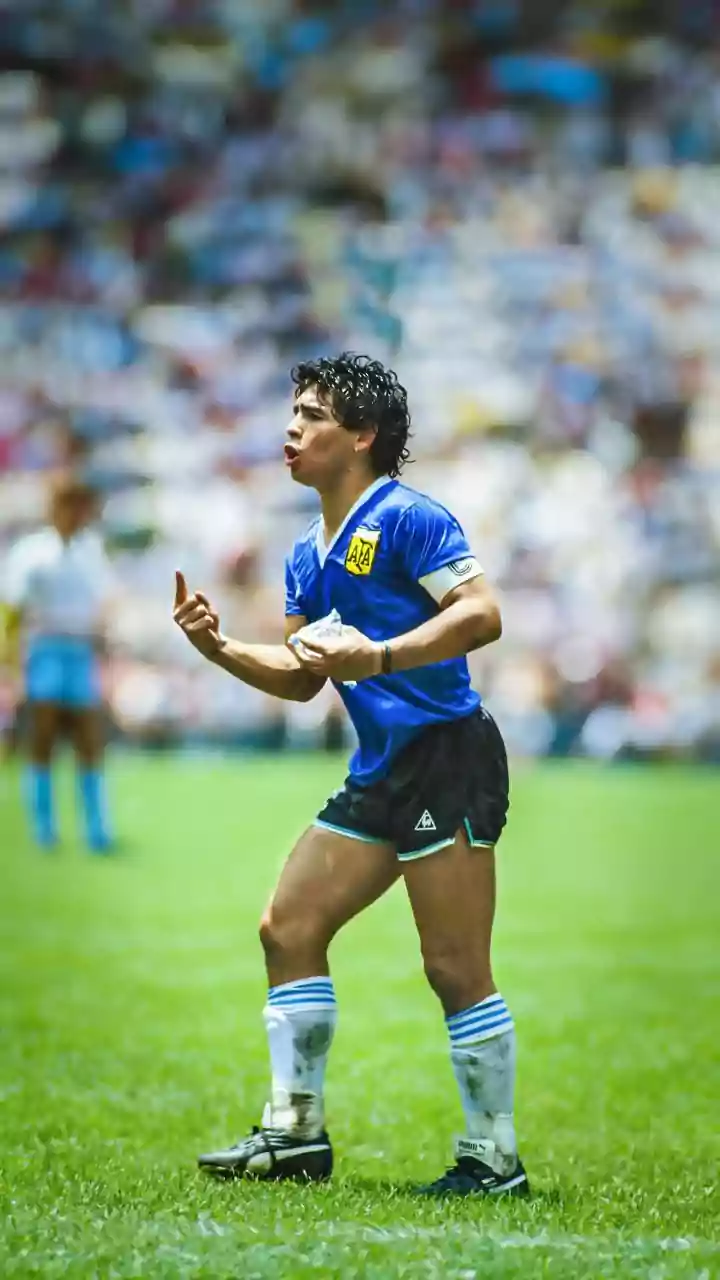
The conversation about the greatest World Cup team often revolves around a few iconic names. There is the swashbuckling Argentina of 1986, carried to glory by the individual genius of Diego Maradona who dominated the tournament in a way no single player
has since. There is the host-nation triumph of France in 1998, where a multicultural team led by the elegant Zinedine Zidane captured the country's first World Cup, uniting a nation and dominating favourites Brazil in the final. And there are the pragmatic but formidable West Germans of 1974, who weathered the storm of the Netherlands' revolutionary 'Total Football' to win on home soil. But two teams stand above the rest in the popular imagination: the beautiful entertainers of Brazil 1970 and the tactical masters of Spain 2010.
The Romantics' Choice: Brazil 1970
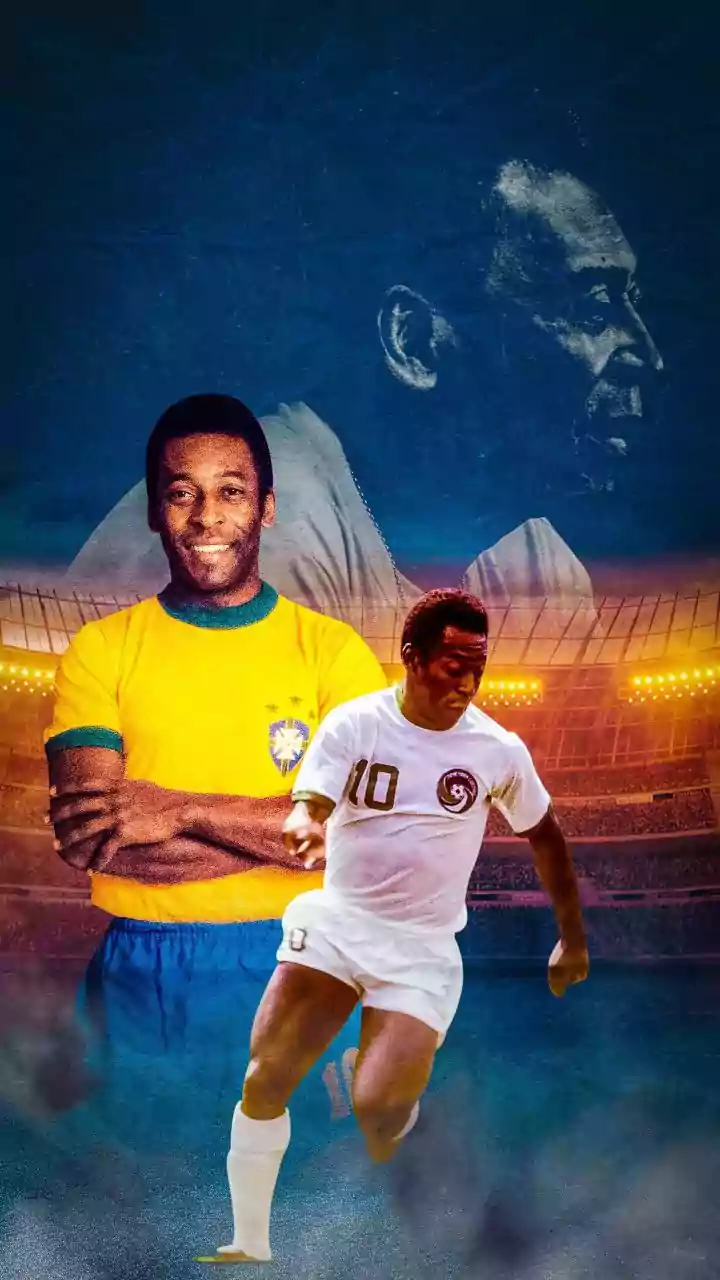
For many, the debate begins and ends with Brazil's 1970 squad. It was a team that played with a joy and rhythm that defined 'Joga Bonito' (The Beautiful Game). Winning every single match in qualifying and at the finals in Mexico, this was a team of superstars in perfect harmony. Led by Pelé in his fourth World Cup, the squad featured an attacking front five of Jairzinho, Gérson, Tostão, and Rivellino—all of whom were creative geniuses. They played with a fluid, attacking 4-2-4 formation that overwhelmed opponents, scoring 19 goals in six matches. Their crowning moment was the 4-1 final victory over a defensive Italian side, capped by a sublime team goal finished by captain Carlos Alberto that is still considered one of the greatest goals in history. Broadcast in vivid colour for the first time, their vibrant yellow shirts and even more vibrant football left an indelible mark on the world.
The Modern Masters: Spain 2010
If Brazil 1970 was about artistic expression, Spain's 2010 victory was a masterpiece of control. Coming into the tournament as reigning European champions, this team perfected a style that changed modern football: tiki-taka. Built around the Barcelona midfield trio of Xavi, Andrés Iniesta, and Sergio Busquets, Spain dominated opponents by monopolising possession. They suffocated teams, passing them into exhaustion. While their campaign began with a shock loss to Switzerland, they showed incredible resilience, winning every single knockout game by a 1-0 scoreline. This wasn't a team that scored freely; they scored just eight goals in the entire tournament, the fewest of any World Cup winner. Instead, their greatness lay in their complete tactical dominance and defensive solidity, conceding only two goals. They were the first team to win three consecutive major tournaments (Euro 2008, World Cup 2010, Euro 2012), marking an era of unprecedented international dominance.
The Verdict: Beauty or The Machine?
So, who is the greatest? Brazil's 1970 team represents the pinnacle of football as art. They didn't just win; they entertained, inspired, and created a romantic ideal that subsequent Brazilian teams have been measured against ever since. Their win was a triumph of attacking flair over cynical defending. Spain's 2010 side, on the other hand, represents the pinnacle of football as a science. Their tiki-taka philosophy was a revolution, proving that technical and tactical superiority could overcome physical strength and directness. They didn't just beat teams; they systematically dismantled them. While Spain’s methodical approach was historically dominant, the sheer cultural impact and flawless, joyful attacking performance of Brazil in 1970 gives them the edge. They won all their games, scored for fun, and did it with a style that defined the beautiful game for generations.