





As winter approaches, Delhi is bracing for its annual battle with severe air pollution. This year, the government is rolling out its Winter Action Plan, and a key measure is a ban on certain vehicles entering the city from out of state.
Which Vehicles Are Banned and When?
Starting from November
1, 2026, and lasting until January 31, 2027, vehicles registered outside of Delhi that do not meet the Bharat Stage VI (BS-VI) emission standard will be prohibited from entering the capital. This primarily affects older petrol and diesel vehicles, including those compliant with BS-III and BS-IV norms. The ban covers both private and commercial vehicles. This move significantly expands on previous years' restrictions, which were often focused more narrowly on commercial goods vehicles. According to transport department estimates, this could impact over a million vehicles from neighbouring NCR cities like Gurugram, Faridabad, Noida, and Ghaziabad that regularly travel into Delhi.
Are There Any Exemptions?
Yes, several categories of vehicles are exempt from the ban. The restriction does not apply to vehicles running on Compressed Natural Gas (CNG) or electric vehicles (EVs). Additionally, all vehicles that are compliant with the BS-VI emission standard are permitted to enter Delhi, regardless of where they are registered. Emergency service vehicles, such as ambulances and fire tenders, and those engaged in specified essential services or government work will also be allowed entry. Importantly, the ban is only for vehicles registered outside Delhi; vehicles registered in Delhi are not covered by this specific entry restriction, though other local anti-pollution rules will still apply to them.
Why is This Happening Now?
This measure is a critical component of Delhi's annual Winter Action Plan, designed to mitigate the hazardous spike in air pollution seen during the colder months. A combination of factors, including falling temperatures, lower wind speeds, smoke from farm fires in neighbouring states, and local emissions from vehicles and industry, trap pollutants in the air, creating a thick layer of smog. Vehicular pollution is a major contributor to the city's poor Air Quality Index (AQI). By preventing older, more polluting vehicles from adding to the emissions load, the government aims to prevent the AQI from reaching 'Severe' and 'Severe+' levels.
How Will the Ban Be Enforced?
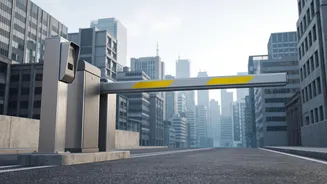
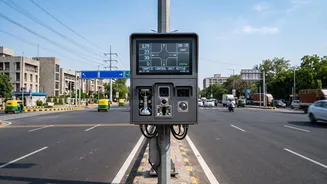
Enforcement will be carried out at all major entry points to the city. The Delhi government plans to deploy around 300 personnel from the transport department's enforcement teams to conduct checks. Technology will play a significant role, with AI-powered Automatic Number Plate Recognition (ANPR) cameras being installed at border checkpoints and strategic lanes. These cameras will automatically scan vehicle registration plates to identify non_compliant vehicles, which can then be stopped by enforcement teams. Commuters from NCR towns are advised to verify their vehicle's emission standard to avoid being turned away at the border.
What Other Measures Are Being Taken?
The vehicle ban is part of a broader, multi_pronged strategy. One of the most significant rules is the 'No PUC, No Fuel' policy, which will be enforced across Delhi. Fuel stations will deny petrol, diesel, or CNG to any vehicle that does not have a valid Pollution Under Control (PUC) certificate. To discourage private vehicle use, parking fees at authorised municipal facilities will be doubled from November 1 until February 28, 2027, although EV parking and lots managed by the Delhi Metro are exempt. The government is also encouraging a shift to remote work, mandating 50% work_from_home for many government and private offices to reduce traffic congestion during peak hours.