



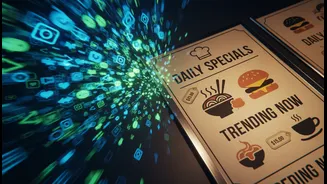


The Instagram-First Menu
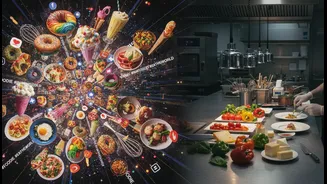
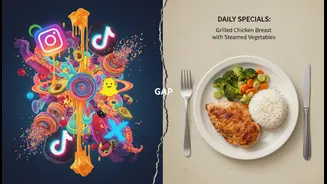
For many urban cafes in India, the marketing strategy begins in the kitchen, long before a dish reaches a customer. The primary question is no longer just 'Will it taste good?' but 'Will it look good on Instagram?'. This is the reality of catering to Gen
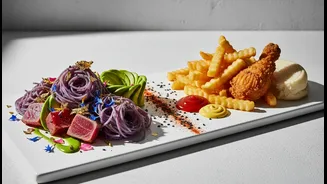
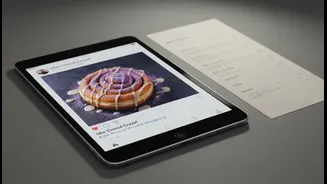
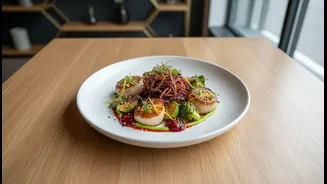
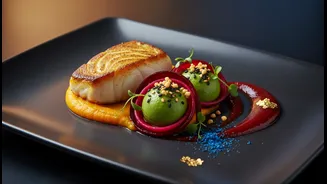
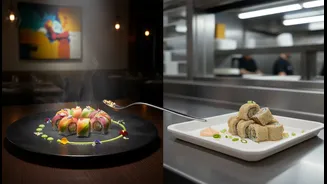
Z, a generation that discovers and decides on dining experiences through visual platforms. Dishes are increasingly designed for their photogenic qualities—bright colours, surprising textures, and dramatic presentations like cheese pulls or cascading sauces are engineered to be 'Reel-worthy'. The more shocking or visually arresting a dish looks, the more likely it is to be shared, turning every customer with a smartphone into a potential marketer. Concepts like DIY food stations, where customers can assemble their own ramen or frozen yogurt, tap directly into this desire for interactive, sharable moments.
A World on a Plate
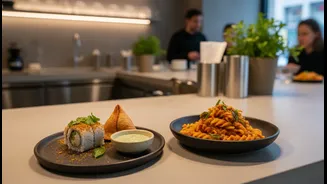
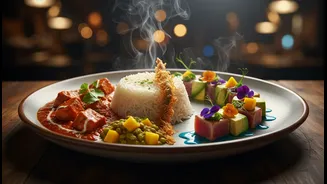
The core of this trend is the food itself—bold, cross-cultural experiments that blend the familiar with the novel. This isn't the confusion-fusion of the past. Today's successful cafes are mastering the art of thoughtful pairings. Think Korean-Mexican (kimchi quesadillas), Japanese-Peruvian (Nikkei cuisine), and quintessentially Indian fusions like paneer tikka tacos or pizza dosas. This reflects a behavioural shift among young Indians, who are more adventurous with their eating habits than previous generations. They are curious about global flavours, thanks to exposure from K-dramas and international travel content, but still appreciate a connection to local tastes. The result is a menu that offers a 'gastronomic trip'—both exotic and comforting.
Marketing Through Experience
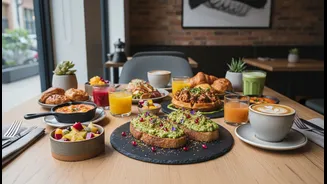
A viral dish isn't enough; Gen Z craves an entire experience. Cafes are no longer just places to eat; they are content studios, community hubs, and extensions of a customer's personal brand. The marketing extends to the physical space itself. Cafe interiors are meticulously planned with 'Instagrammable' corners, featuring neon signs, unique murals, and aesthetic décor designed for selfies. Beyond aesthetics, cafes host events like open mic nights, pop-culture-themed quizzes, and workshops, building a community that keeps customers returning. The goal is to create a 'vibe' that aligns with the target audience's lifestyle, making the cafe a destination, not just a restaurant. This focus on experience is a response to Gen Z's desire for authenticity and connection; they want to be part of a story, not just a transaction.
The Influencer Ecosystem
In the digital age, word-of-mouth happens on social media, and influencers are the new gatekeepers. Cafes actively collaborate with food bloggers and content creators to generate buzz. Inviting local micro-influencers for a preview can create a wave of authentic-seeming content that drives immediate footfall. A study focusing on Ahmedabad found that while younger audiences are drawn to visually creative Reels, all age groups are influenced by food bloggers, highlighting their crucial role in discovery. The strategy has evolved beyond simply posting pretty pictures. High-performing content now includes behind-the-scenes videos of chefs, the sizzle of food being cooked, and genuine customer reactions, all of which build trust and create a sense of FOMO (fear of missing out).