



The Allure of Grounded Living
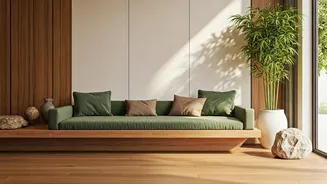
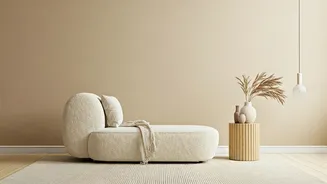
There’s a reason this trend feels so right, right now. After years of perfectly curated, untouchable living rooms seen on social media, there’s a collective craving for spaces that feel genuinely lived-in, comfortable, and human. Low-slung seating layouts
answer that call by fundamentally changing the energy of a room. By lowering the eyeline and encouraging lounging, you create an atmosphere that is instantly more relaxed and informal. It’s less about presentation and more about connection. This style taps into a global movement towards ‘slow living’ and mindfulness, asking us to be more present in our homes. It subtly shifts our posture and our perspective, fostering a sense of ease that traditional, upright furniture often discourages. This isn't just a design choice; it's a lifestyle statement that prioritises comfort and community over formality.
Why Jute is the Perfect Material
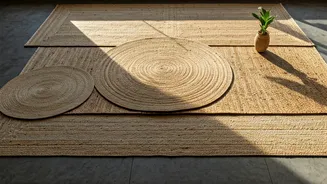
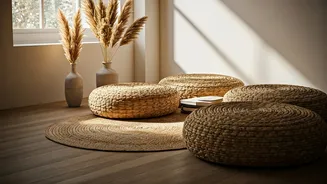
At the heart of this trend is jute, a material deeply familiar in Indian households. But here, it’s elevated from humble utility to a star design element. Jute’s appeal is multifaceted. Its coarse, natural texture provides a wonderful tactile contrast to softer furnishings like cotton cushions or woollen throws, creating a rich, layered look. It’s incredibly durable, making it ideal for high-traffic floor seating. Aesthetically, its warm, earthy tones bring a sense of nature indoors, grounding the space and providing a neutral backdrop that works with almost any colour palette. Furthermore, jute is one of the most sustainable and affordable natural fibres available. It’s biodegradable, requires minimal pesticides to grow, and its production supports countless rural communities. Choosing jute isn't just a style decision; it’s an eco-conscious one that celebrates natural, imperfect beauty.
How to Create Your Floor Seating Layout
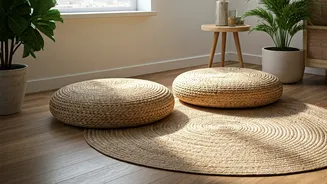
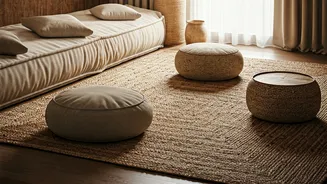
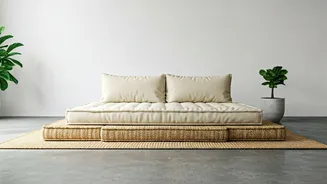
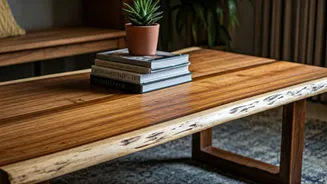
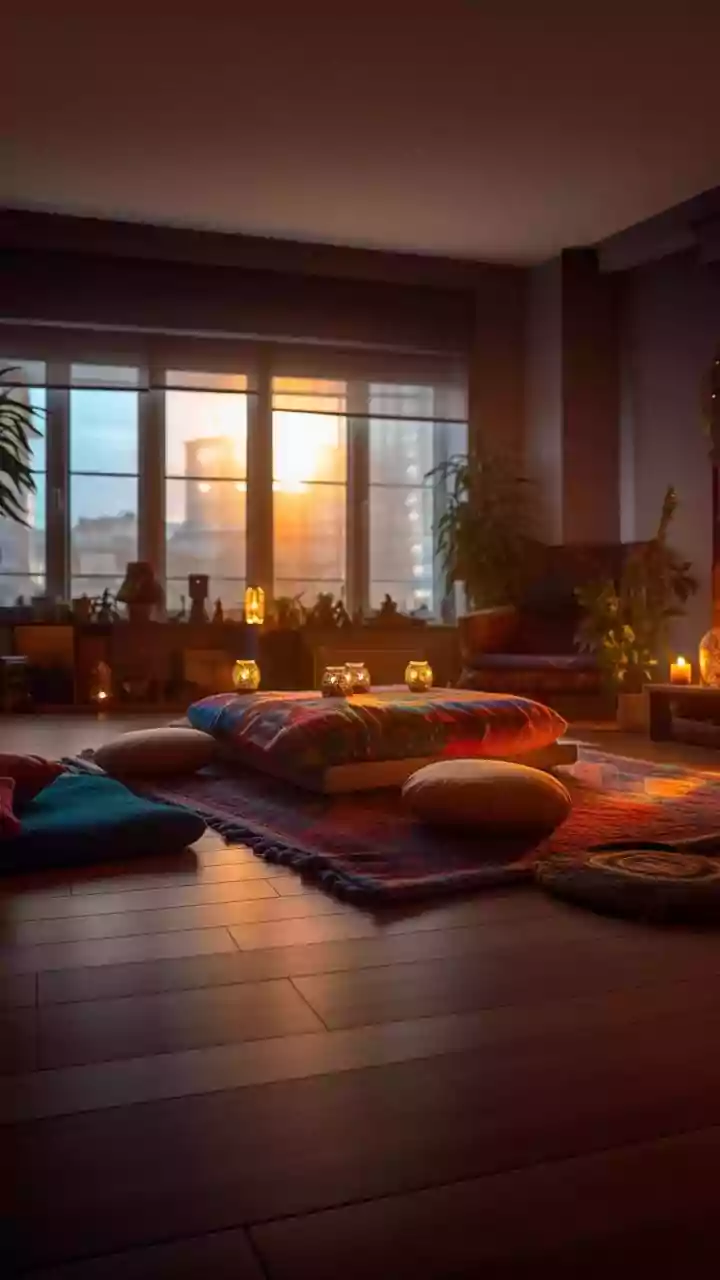
Getting this look right is all about thoughtful layering, not just throwing cushions on the floor. Start with a large jute rug as your foundation. This defines the seating area and provides the base texture. On top of this, layer your main seating elements. Look for oversized floor cushions, sturdy poufs, and low-slung chairs or daybeds. Variety is key: mix different shapes, sizes, and heights to create visual interest and offer different seating options for guests. Think about creating a central point, perhaps around a low coffee table or a decorative tray. This encourages people to gather around. Don't be afraid to mix materials. A leather pouf, a few velvet cushions, or a linen-covered floor pillow can add depth and a touch of luxury to the rustic charm of the jute.
Styling for Comfort and Ambiance
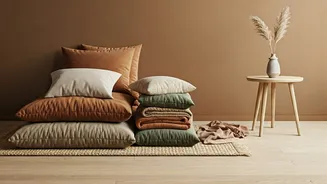
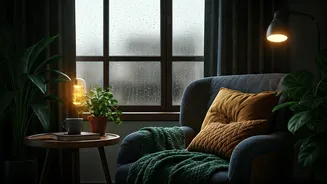
Once your seating is in place, accessories are what will bring the space to life. The goal is to create a cosy, inviting cocoon. Soft lighting is crucial. Avoid harsh overhead lights and instead opt for floor lamps, table lamps placed on low side tables, or even clusters of lanterns and candles (used safely, of course). This enhances the intimate, relaxed mood. Textiles are your best friend. Drape soft throws over your floor cushions and poufs. Add a variety of pillows in different textures—think knitted cotton, smooth silk, or fluffy wool—to invite people to get comfortable. Finally, bring in life with plants. Placing large potted plants like a fiddle-leaf fig or a snake plant around the seating area enhances the connection to nature and makes the space feel fresh and vibrant. A few well-chosen books or magazines on a nearby low shelf complete the look, signalling that this is a space for unwinding.
Beyond the Main Living Area
While the living room is the natural home for this trend, the principles of low-slung seating can be adapted for many other spaces. A cosy corner of a bedroom can be transformed into a personal reading nook with just a single large floor cushion, a small rug, and a good lamp. Have an unused balcony? Turn it into an outdoor lounge with weather-resistant floor cushions and a few potted plants. It’s also a fantastic solution for a kids' playroom, creating a soft and safe environment for them to spread out with toys and books. The flexibility of this style is one of its greatest strengths. It allows you to create intimate, functional zones in otherwise overlooked parts of your home.