




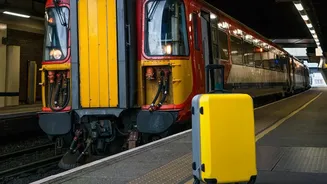
Why Platforms Suddenly Change
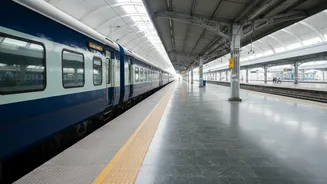
You have your ticket, you have found your platform, and now you are waiting. It seems simple, but behind the scenes, the station is a complex, dynamic environment. A last-minute platform change is rarely arbitrary. It is often a necessary response to
operational demands. Common reasons include managing the arrival of a late-running train, clearing a track for urgent maintenance, accommodating a special or unscheduled train, or dealing with a signal or switch failure. On a network as vast and congested as Indian Railways, which runs thousands of trains daily, these adjustments are crucial to prevent a domino effect of delays across the system.
More Than an Inconvenience, It Is a Risk
A sudden announcement of a platform change can trigger a frantic rush. For passengers, especially the elderly, those with disabilities, families with children, or anyone carrying heavy luggage, this is not just an inconvenience—it's a serious safety hazard. The hurried movement across footbridges and staircases in a crowded station significantly increases the risk of falls, injuries, and in the worst cases, stampedes. The confusion and panic can also lead to passengers missing their train entirely. Past incidents at major stations have tragically highlighted how miscommunication or last-minute changes can lead to chaos and fatalities, underscoring the need for passenger vigilance.
Staying Informed: Your On-the-Spot Checklist
Complacency is the enemy of the smart traveller. Even after you have settled on a platform, you must remain attentive until you board the train. First, keep your ears open for public announcements. While the audio quality can sometimes be a challenge due to background noise and aging systems, these are the primary source of official updates. Second, constantly check the digital display boards on the platform and in the main concourse. These screens show the train's name, number, and scheduled arrival/departure, and are updated with any platform changes. Finally, do not hesitate to confirm with an authorised source. Speak to the on-duty Station Master, a Travelling Ticket Examiner (TTE), or staff at the enquiry counter. Relying on fellow passengers can sometimes spread misinformation.
Leverage Technology for Real-Time Updates
In today's digital age, your smartphone is a powerful tool for staying informed. The official National Train Enquiry System (NTES) mobile app and website are invaluable resources. The NTES provides near real-time information on train running status, including expected arrival times and, crucially, platform numbers. Several other reliable third-party apps like Ixigo and RailYatri also provide platform locator services, often by sourcing data directly from Indian Railways. While these apps are extremely helpful, it is wise to remember their disclaimer: platform numbers are subject to change. Use these tools as your first point of reference, but always cross-verify the information with the announcements and display boards at the station itself.
The Final Check Before You Board
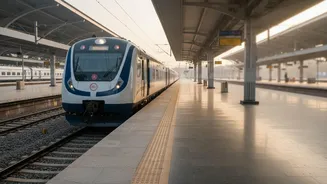
The final, and perhaps most important, step happens just as the train pulls into the station. Before you step on board, take a moment to verify the train's name and number displayed on the side of the coaches. It's a simple act that provides absolute confirmation. This final check ensures you are not just on the right platform, but that you are boarding the correct train. In the bustling environment of a station, with multiple trains arriving and departing, this last look can save you from a journey to an entirely wrong destination. Make it a habit, and it will become a seamless part of your travel routine.