







This Isn't Your Average Monsoon
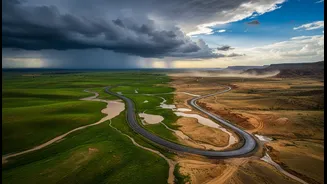
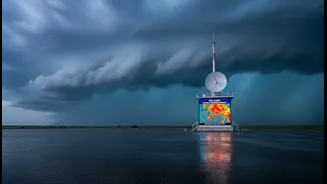
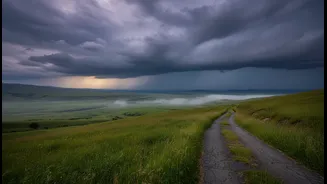
The 2026 monsoon season is proving to be particularly intense. After a relatively dry June, early July has seen a dramatic revival, with active weather systems dumping heavy to extremely heavy rainfall across vast swathes of the country. The India Meteorological
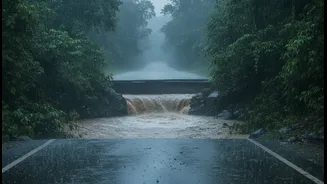
Department (IMD) has issued numerous red, orange, and yellow alerts, warning of flash floods, waterlogging, and landslides. Reports from recent days confirm the severity, with fatalities and significant destruction in states like Maharashtra, where building collapses and landslides have been triggered by relentless downpours. This is not the year for taking the weather lightly; the conditions are disrupting transport, overwhelming infrastructure, and putting unprepared travellers at risk.
High-Risk Zones to Watch
While the monsoon is a nationwide phenomenon, certain regions are currently bearing the brunt of its force. The IMD has highlighted several areas under threat of very heavy to extremely heavy rainfall. These include the Western Ghats (Konkan & Goa, Madhya Maharashtra, Coastal and South Interior Karnataka, and Kerala), Northwest India (Himachal Pradesh, Uttarakhand, Punjab, Haryana, Delhi, and parts of Rajasthan and Uttar Pradesh), and Northeast India (Assam, Meghalaya, Arunachal Pradesh, and West Bengal). Hilly regions like Himachal Pradesh and Uttarakhand are particularly vulnerable to landslides, which have already blocked major highways. In cities like Mumbai and Delhi, intense spells have caused severe waterlogging, snarling traffic and disrupting flights and trains. Authorities in some popular tourist areas, such as Pune and Raigad districts, have banned trekking and access to waterfalls and forts for safety reasons.
The Perils of Spontaneous Travel
The allure of a casual monsoon booking is the freedom and flexibility, but this year, that spontaneity comes with significant risks. Flight operations in major hubs like Delhi and Mumbai have already faced disruptions, with airlines issuing advisories for delays and cancellations. Train services have been similarly affected, with waterlogged tracks and landslides on key routes, such as the Mumbai-Pune line, causing delays and cancellations. Road travel is equally precarious. National highways have been blocked by landslides in Uttarakhand and damaged by cave-ins in Haryana. Tourists in Goa and Maharashtra have required rescue after being stranded by rapidly rising water levels at waterfalls. A casual booking leaves you with little recourse if your destination becomes inaccessible, your transport is cancelled, or you find yourself stranded in a remote area with failing infrastructure. The risk is not just inconvenience, but genuine danger.
How to Plan a Safer Monsoon Trip
If you are determined to travel, meticulous planning is non-negotiable. First, constantly monitor IMD forecasts and advisories for your intended destination. Opt for flexible bookings for flights and hotels that allow for last-minute changes or cancellations without heavy penalties. Before booking, research your destination's specific risks. Avoid landslide-prone hilly areas and destinations known for flash floods. If you must travel to such areas, ensure you have a reliable local contact and a clear exit strategy. Pack a comprehensive emergency kit, including a first-aid kit, power bank, torch, dry food, and any necessary medications. Most importantly, invest in comprehensive travel insurance that specifically covers disruptions and cancellations due to weather events. This can provide a crucial financial safety net if your plans are upended.