





Different Tissues, Similar Reactions
The main reason it's so hard to tell a severe sprain from a fracture is that both are significant traumatic injuries that trigger a similar response from your body. A fracture is a break in a bone, while a sprain is an injury to ligaments—the tough, fibrous
bands that connect bones to other bones at a joint. When either tissue is damaged, your body rushes blood and inflammatory cells to the site, causing immediate pain, swelling, and bruising. This initial, intense reaction can mask the true nature of the injury, as both a completely torn ligament and a cracked bone can feel remarkably alike.
Key Clues That Might Suggest a Fracture
While self-diagnosis is not reliable, some signs are more commonly associated with a broken bone. If you heard an audible 'crack' or 'snap' at the moment of injury, a fracture is more likely. Another major indicator is a visible deformity; if the limb looks crooked, bent at an unnatural angle, or has a hard knot where there shouldn't be one, it strongly suggests a fracture. The inability to bear any weight at all is another classic sign of a broken bone. Numbness or a tingling sensation can also point to a fracture, as the broken bone may be affecting nearby nerves.
Signs More Common with Sprains
Sprains, on the other hand, often present with slightly different characteristics. While a 'pop' can sometimes be heard with a severe sprain, it's distinct from the 'crack' of a bone. The pain from a sprain is often described as more diffuse, located in the soft tissue around the joint rather than a sharp pain directly on the bone. While a severe sprain can make it very painful to bear weight, you may still have some limited ability to do so, which is often impossible with a fracture. The joint might also feel unstable or wobbly, a sign that the ligaments responsible for stabilizing it have been damaged.
The Myth: 'If You Can Walk On It, It's Not Broken'
One of the most persistent and dangerous myths is that an ability to walk or move the injured limb rules out a fracture. This is completely false. It is possible to walk on certain types of fractures, such as small cracks or stress fractures. Assuming an injury is just a sprain because you can put some weight on it can lead to delayed treatment, improper healing, and long-term problems like chronic pain or arthritis. Conversely, a severe sprain can be more debilitating and painful than a minor fracture.
What to Do Immediately After an Injury
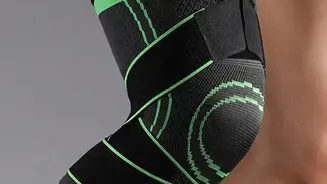
Regardless of whether you suspect a sprain or a fracture, the immediate first aid is the same. The widely recommended P.R.I.C.E. or R.I.C.E. protocol should be followed. This stands for Protection, Rest, Ice, Compression, and Elevation. Rest the injured area and avoid putting weight on it. Apply an ice pack wrapped in a thin towel for 15-20 minutes every few hours to reduce swelling and numb the pain. Gently wrap the area with an elastic bandage to provide compression and support, ensuring it's not so tight that it cuts off circulation. Finally, elevate the injured limb above the level of your heart whenever possible to help drain fluid and minimize swelling.
Why a Professional Diagnosis Is Crucial
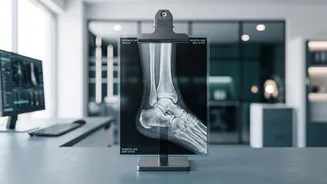
Because the symptoms overlap so significantly, the only way to know for sure whether you have a fracture or a severe sprain is to get a medical evaluation. A doctor will perform a physical exam, and an X-ray is typically the first step to check for broken bones. X-rays are excellent at showing bone, but they don't show soft tissues like ligaments. If a fracture is ruled out but a severe ligament tear is suspected, your doctor might order an MRI, which provides a detailed look at ligaments, tendons, and muscles. Getting the right diagnosis is critical because treatment for a fracture is very different from treatment for a sprain, and a misdiagnosis can hinder your recovery.