




Why Visit During the Monsoon?
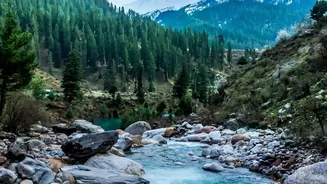
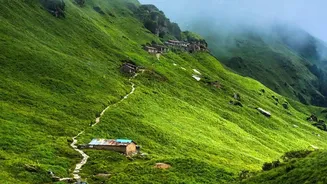
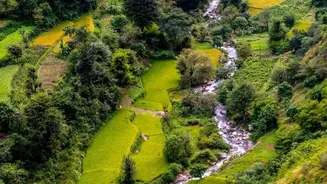
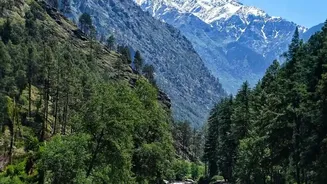
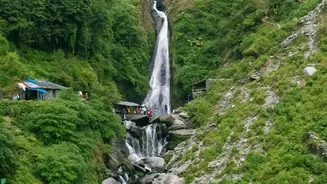
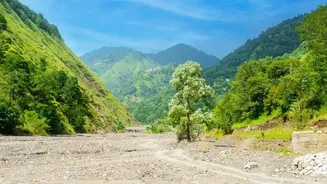
Visiting the Tirthan Valley area, including Jibhi and Shoja, during the monsoon is a conscious choice to trade peak-season crowds for an immersive, serene experience. The rain transforms the landscape into a vibrant green paradise, with waterfalls like
Jibhi and Hirab at their most powerful and dramatic. The air is crisp, clean, and carries the scent of wet earth and pine. It’s a time for quiet contemplation, perfect for writers, artists, or anyone seeking refuge from city chaos. With fewer tourists, you can enjoy a more personal connection with nature and local culture, finding peace by the roaring Tirthan River or cozying up in a café. While travel requires caution due to potential landslides, the reward is witnessing the valley in its most raw and beautiful form.
Embrace Tradition in Shoja’s Homestays
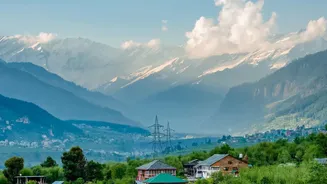
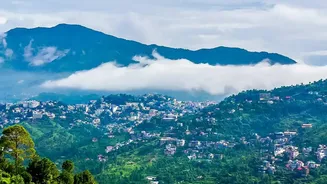
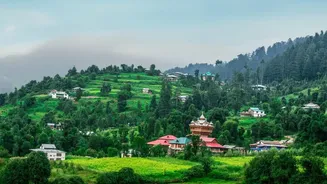
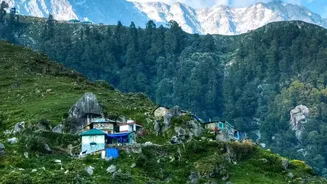
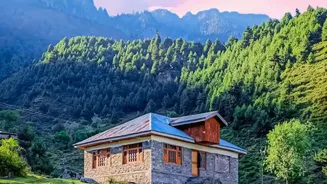
The village of Shoja, perched higher than the main valley, offers a unique monsoon perspective with clouds often drifting right up to your window. The stays here are less about riverside access and more about panoramic mountain views and traditional Himachali hospitality. You can find numerous family-run guesthouses and homestays built in the classic Kath-Kuni style, using stone and wood. These places, such as Orchard Stay or Paras Homestay, offer a cozy refuge from the rain. Evenings are best spent enjoying home-cooked meals, sipping tea while watching the mist roll in, and experiencing the slow pace of mountain life. It’s an ideal base for short, misty walks and exploring the nearby Jalori Pass when the weather clears.
Riverside Bliss in Tirthan Valley
For those who want to be lulled to sleep by the sound of water, a riverside cottage in the heart of Tirthan Valley is essential. During monsoon, the Tirthan River is full and its sound is a constant, calming presence. Properties along the Gushaini stretch offer direct access to the riverbank for quiet moments of reflection. Stays like Sunshine Himalayan Cottages and Eco Himalayas focus on blending with their environment, offering mud-and-wood cottages, organic food, and eco-conscious practices like rainwater harvesting. Many of these retreats provide the perfect balance of rustic charm and modern comfort, allowing you to enjoy the rain-washed scenery from a private balcony or cozy common area with a fireplace.
Unique Eco and Boutique Stays
Beyond traditional homestays, the region is home to unique properties for a memorable monsoon experience. You can find architectural gems like A-frame huts, mud-wood duplexes, and even treehouses. Sunshine Himalayan Cottages, for instance, features a sustainable treehouse room with a living tree growing through its kitchen, offering an unparalleled connection to nature. Other boutique options like Ausnya provide a more luxurious experience, with contemporary design, panoramic mountain views from elegant suites, and curated activities like guided hikes, without sacrificing the area's tranquil spirit. These stays prove that offbeat travel doesn't mean compromising on comfort or style.
Activities Beyond the Armchair
While a monsoon trip is perfect for relaxing with a book, there are gentle adventures to be had. Short hikes are manageable and rewarding, leading you through lush forests to spots like Chehni Kothi, an ancient wooden tower. The trail to Jibhi Waterfall is particularly beautiful after the rains, though caution on slippery paths is advised. Trout fishing is a popular Tirthan activity, and the high water levels of the monsoon can make it an interesting challenge. Mostly, the monsoon encourages you to explore the local villages like Gushaini and Banjar, observe the distinct Pahari architecture, and try local delicacies like Siddu at a local eatery.