


Decoding the Weather Forecast
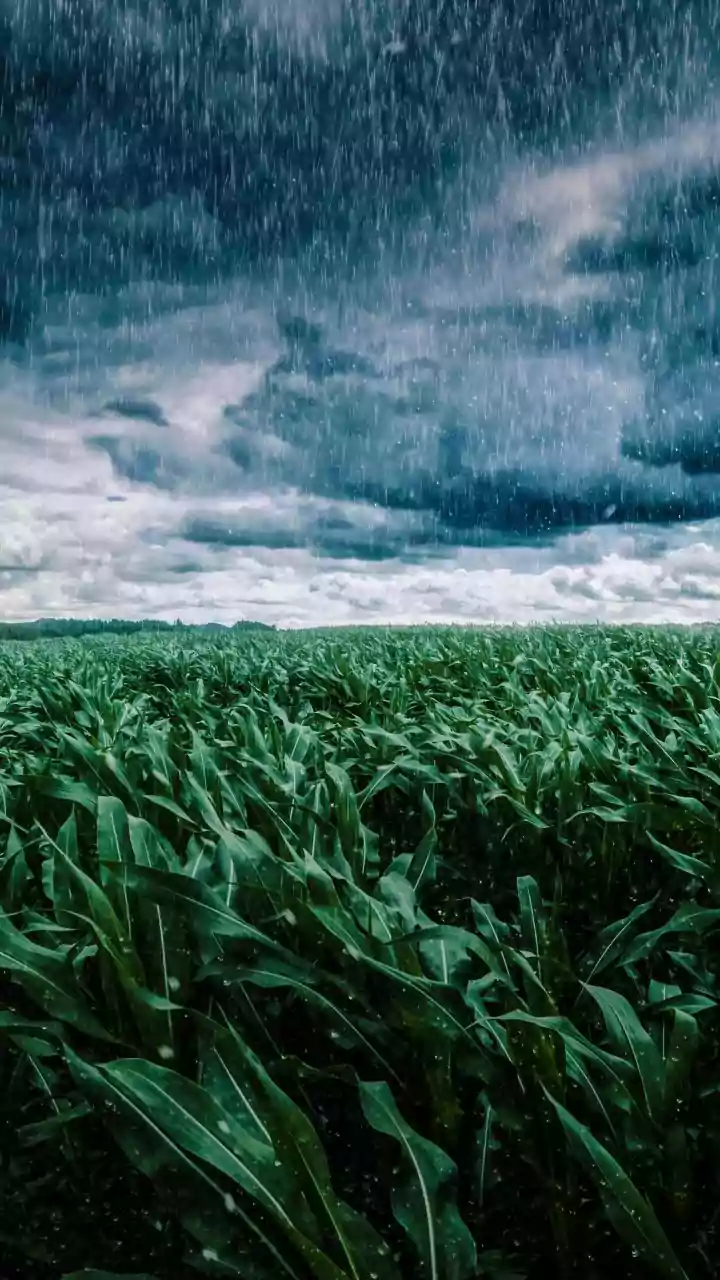
Before you book anything, get familiar with the latest weather updates. The India Meteorological Department (IMD) has forecast heavy to very heavy rainfall in several regions, including parts of Northeast India, Uttarakhand, Uttar Pradesh, Kerala, and Karnataka
around mid-August. While the overall monsoon for August 2026 is predicted to be slightly below normal, this doesn't mean your chosen destination will be dry. Intense, isolated spells are still a major factor. Check the IMD website for district-specific warnings, including any red or orange alerts, which signal the need for caution. This simple step is the most crucial for ensuring your trip is safe and enjoyable.
Choose Your Destination Wisely
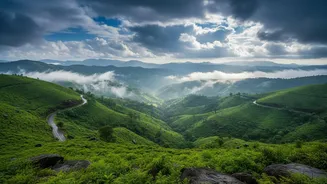
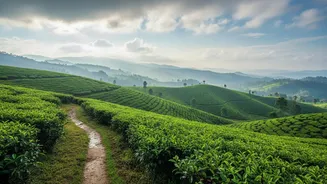
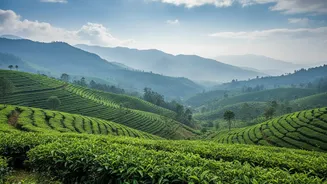
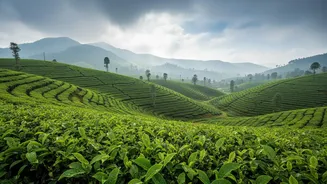
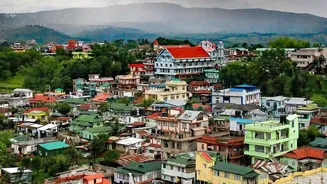
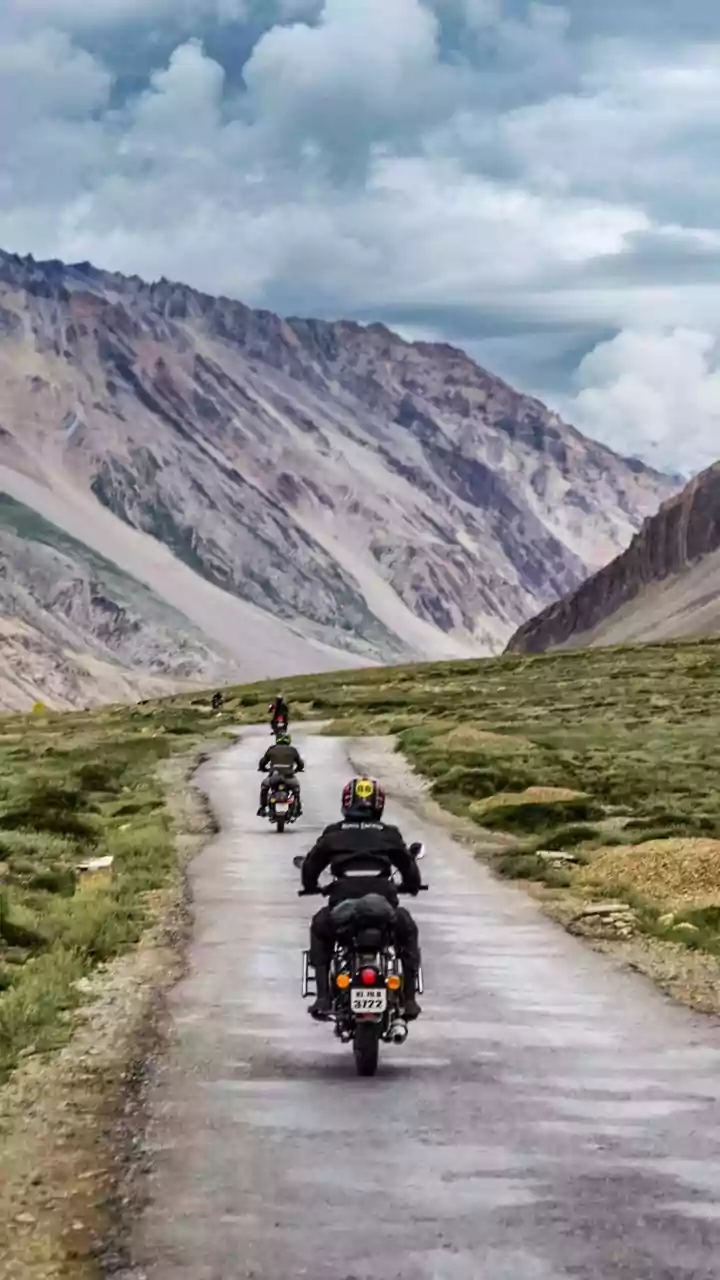
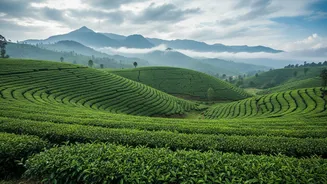
Not all destinations are created equal during the monsoon. It's best to avoid regions prone to landslides and flash floods, such as interior hilly areas. Instead, consider locations known for good infrastructure that holds up during the rains. Places like Udaipur and Mount Abu in Rajasthan see lighter, pleasant showers. Well-managed hill stations in the Western Ghats like Coorg and Mahabaleshwar can be stunningly green and are popular drive-to options, but always check road conditions before leaving. For those wanting to escape the rain entirely, high-altitude desert regions like Leh-Ladakh and Spiti Valley are excellent choices as they fall in a rain-shadow area and remain mostly dry.
Mastering the Monsoon Road Trip
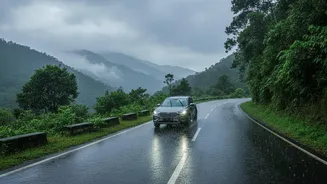
If you're planning to drive, safety must be your top priority. Heavy rain reduces visibility and makes roads slippery, increasing braking distances. Always reduce your speed, maintain a safe distance from the vehicle ahead, and use your low-beam headlights. Avoid using cruise control on wet roads. Before you start, check your car’s essentials: tyres, brakes, and windscreen wipers must be in good condition. Never attempt to drive through heavily waterlogged roads, as it's difficult to judge the depth and can damage your vehicle's engine. It’s also wise to start your journey during daylight hours and build extra buffer time into your schedule for potential delays.
Pack Smart, Not Heavy
Monsoon packing is about function over fashion. Prioritise quick-drying synthetic clothes over cotton and jeans, which stay damp for ages. A sturdy raincoat and a reliable umbrella are non-negotiable. For footwear, choose rubber sandals, floaters, or waterproof shoes with a good grip to avoid slipping on wet surfaces. One of the most important items is a waterproof backpack or a rain cover for your luggage to protect your belongings. Also, carry waterproof pouches or zip-lock bags for your phone, wallet, and other electronics. A power bank is essential for keeping your devices charged, especially if there are power cuts.
Health and Other Essentials
The rainy season can bring a higher risk of water-borne diseases and an increase in mosquitoes. To stay healthy, drink only bottled or filtered water and be cautious about street food. Carry a basic first-aid kit with antiseptic wipes, bandages, and any personal medications. Mosquito repellent is another must-have item. Finally, since travel plans can be disrupted by weather, book hotels with flexible cancellation policies and consider travel insurance. Stay updated on local conditions through weather apps and news alerts throughout your trip. A little preparation goes a long way in ensuring your holiday remains a relaxing break, not a stressful ordeal.