





Think Beyond the Recipe
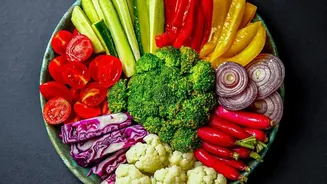
The key to consistently delicious vegetable meals is to move away from rigid recipes and start thinking in terms of components. Most vegetable dishes, whether a dry stir-fry or a light curry, are built on three pillars: the seasonal vegetable itself,
the flavour profile (spices, herbs, acidity), and the texture. When you meal plan, instead of thinking 'bhindi fry', think 'crispy bhindi with a tangy, spiced coating'. This small mental shift opens up a world of possibilities, allowing you to adapt and create based on what is fresh and what you have on hand, rather than being locked into one specific preparation.
Build Your Flavour Pantry
Flavour is more than just chilli powder and turmeric. A well-stocked pantry of seasonings is your greatest asset. Think in categories to make pairing easier. For warmth and earthiness, rely on cumin, coriander, and garam masala. For brightness, turn to fresh coriander leaves, mint, lemon juice, or amchur (dry mango powder). For pungent depth, nothing beats a good tadka of mustard seeds, hing (asafoetida), and curry leaves in hot oil or ghee. The foundation trio for many Indian vegetable dishes is turmeric, red chilli, and coriander powder. Mastering the balance of these allows you to create a solid base for almost any seasonal vegetable, from gourds to greens.
Mastering the Art of Texture
Texture is what turns a simple vegetable dish into a satisfying meal. It provides contrast and keeps every bite interesting. The easiest way to add texture is with a final garnish or mix-in. Toasted peanuts, sesame seeds, or cashews add a delightful crunch to soft vegetables like lauki (bottle gourd) or pumpkin. A spoonful of thick yoghurt or a crumble of fresh paneer can add creaminess to a dry sabzi. For greens like spinach or amaranth leaves, a final stir-in of grated coconut adds both texture and a hint of sweetness. Even cooking methods dramatically alter texture; roasting vegetables like cauliflower or sweet potato at a high heat creates caramelised, crispy edges that boiling or steaming can't replicate.
Seasonal Stars and Their Perfect Pairings
During the monsoon season, the markets are filled with a variety of gourds, beans, and leafy greens. Let's apply our principles to some of these seasonal heroes. For bitter gourd (karela), balance its bitterness with the sweetness of jaggery and the tang of amchur. For pointed gourd (parwal), its mild flavour is a perfect canvas for a punchy mustard seed and panch phoran tadka. Okra (bhindi) pairs beautifully with the nutty flavour of besan (chickpea flour) and a squeeze of lime at the end to cut the sliminess. For leafy greens like amaranth (chaulai), a simple stir-fry with garlic, red chillies, and a sprinkle of toasted sesame seeds is all you need.
Simple Cooking Techniques for Big Impact
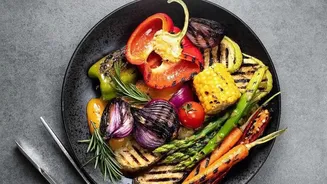
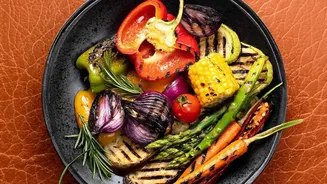
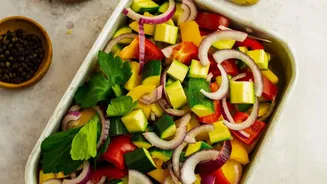
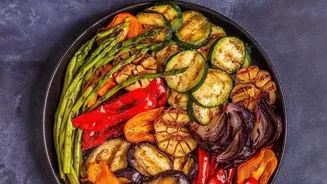
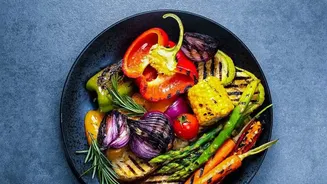
You don't need fancy equipment to elevate your vegetables. Roasting and grilling are fantastic methods that use dry heat to concentrate flavours and create delicious textures. A simple sheet-pan roast of chopped vegetables like carrots, beans, and cauliflower with a drizzle of oil and your chosen spices can be a meal in itself. Stir-frying in a hot kadai ensures vegetables remain crisp and vibrant. Even steaming can be made more flavourful by adding herbs or whole spices to the water. The goal is to cook the vegetable in a way that enhances its natural character, rather than masking it in a heavy gravy.