






The Science of Spongy Flour
Have you ever noticed your atta or maida becoming lumpy and difficult to work with during the monsoon? You're not imagining it. The culprit is a scientific principle called hygroscopy. Flour, along with other dry ingredients like sugar and salt, is naturally
hygroscopic, meaning it readily absorbs moisture from the surrounding air. In a high-humidity environment, such as an Indian monsoon where humidity can exceed 75%, your flour acts like a sponge, soaking up water vapor. This absorbed moisture is the root cause of changes in its texture and behaviour, making your once-powdery ingredient heavier, denser, and prone to clumping.
Smart Storage Is Your First Defence
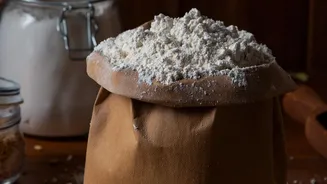
Preventing moisture from reaching your flour in the first place is the most effective strategy. The paper bag your flour comes in is not enough to protect it. The best way to store flour during the monsoon is in an airtight, food-grade container. Steel or glass containers with rubber-sealed lids are ideal because they resist moisture far better than plastic. For added protection, consider some traditional Indian kitchen wisdom: adding a few dried bay leaves or cloves to the container can help absorb ambient moisture and deter pests. It's also wise to store the container in a cool, dry, dark place, away from damp exterior walls or the heat and steam of your stove. If you live in a very humid area, refrigerating or even freezing a portion of your flour can extend its life, especially for whole wheat and millet flours which spoil faster.
Tips for Perfect Rotis and Chapatis
When your atta has absorbed moisture, it changes how you should prepare your dough. The flour is already partially hydrated, so you will need less water than usual. Start by reducing the amount of water you would normally use for kneading by about 10-20%. Add the water slowly and mix until you achieve the right consistency. You're aiming for a dough that is soft and pliable but not sticky. If you add all the water at once, you might end up with a slack, sticky dough that is difficult to roll out. Paying attention to the feel of the dough is more important than rigidly following a recipe, especially during the rainy season.
Adjusting Your Baking Recipes
Baking is a science of precision, and humidity throws a spanner in the works. Because your flour already contains extra moisture, batters can become too thin and doughs too sticky. This can lead to cakes with a gummy texture or ones that sink in the middle. To counteract this, you may need to make a few adjustments. A good starting point is to reduce the liquid (like milk or water) in your recipe by about a quarter. Alternatively, you can add 1 to 2 extra tablespoons of flour per cup called for in the recipe until the dough feels right. Sifting your flour before use is also crucial, as it aerates the flour and breaks up any clumps that have formed due to moisture. For cakes and muffins, a slight increase in baking powder can provide the extra lift needed to combat the heavy, wet batter.
What to Do With Clumpy Flour
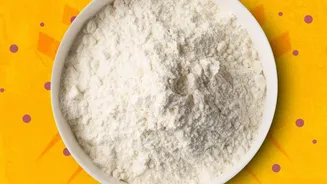
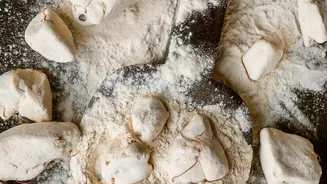
If you open a bag and find your flour has already started to clump, don't despair unless it smells musty or shows signs of mould, in which case it should be discarded. For minor clumping, you can often salvage it. Sifting the flour through a fine-mesh sieve is the first step to break up the lumps. For flour that feels particularly damp, you can spread it on a baking sheet and lightly roast it in a low oven or gently dry-roast it in a heavy-bottomed pan (kadhai) for a few minutes. This helps evaporate the excess moisture. Ensure the flour cools down completely before transferring it to an airtight container for storage.