
A World of Extreme Seasons
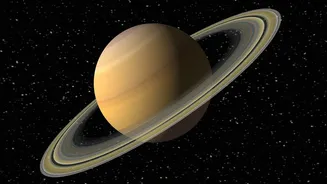
Saturn orbits the sun once every 29.5 Earth years, and much like our own planet, it's tilted on its axis by about 27 degrees. This tilt means that as Saturn journeys through its vast orbit, different parts of the planet receive more direct sunlight, driving
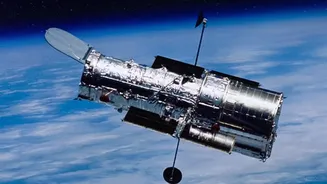
seasonal change. But unlike our three-month seasons, Saturn's last for more than seven Earth years. This creates a slow-motion, planet-wide laboratory for studying atmospheric physics. Scientists with Hubble's Outer Planet Atmospheres Legacy (OPAL) program have been observing Saturn annually to build a long-term record of these shifts, watching as the northern hemisphere transitioned from its long summer toward autumn.
Seeing the Unseen With Infrared
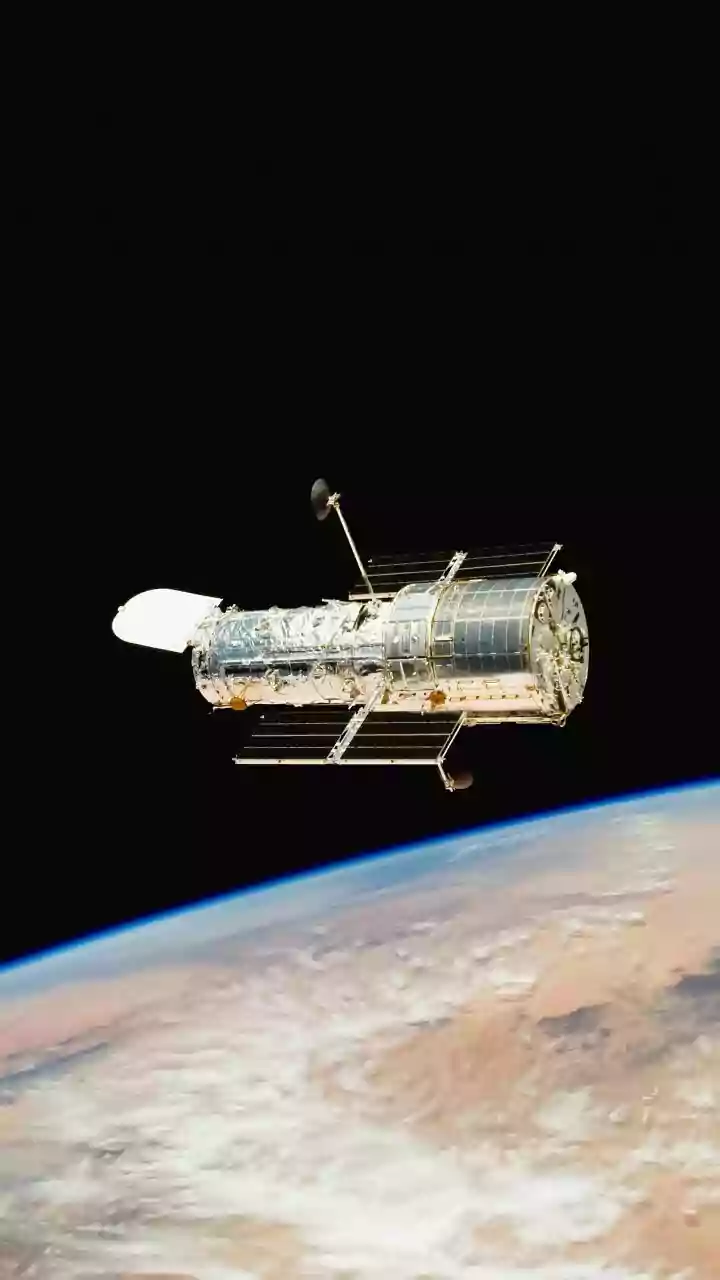
To understand a gas giant's atmosphere, visible light only tells part of the story. Hubble’s power comes from its ability to observe in different wavelengths, including near-infrared. This allows it to peer through the planet's hazy upper layers to see what's happening deeper inside. Infrared light is crucial for measuring temperature and the chemical composition of cloud layers. By capturing images in false-color infrared, scientists can distinguish between clear atmosphere, low-lying clouds made of ammonia ice crystals, and higher-altitude hazes. These different views help them track changes in cloud height, temperature, and wind speeds that would otherwise be invisible.
The Chilling Effect of Ring Shadows
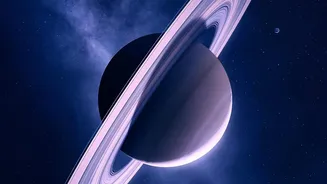
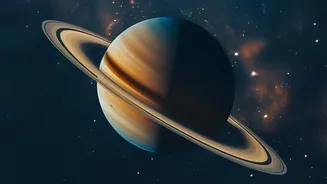
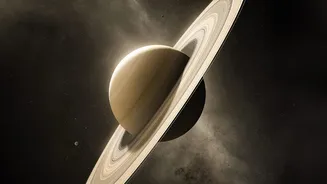
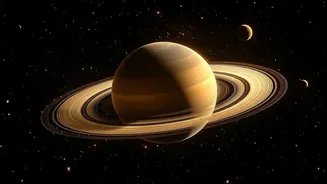
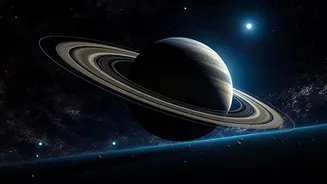
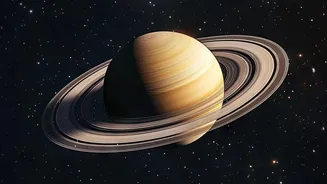
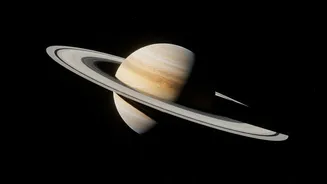
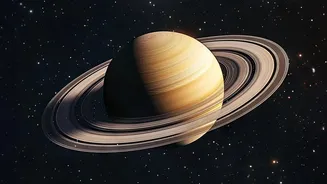
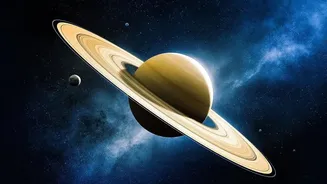
The headline's mention of "shadow" points to one of the most fascinating aspects of Saturn's climate: its own rings. These massive, spectacular structures aren't just for show; they actively influence the planet's weather. As Saturn's seasons change, the angle of the rings relative to the sun shifts. This causes the rings to cast immense shadows across the planet's surface. The winter hemisphere, already receiving less sunlight due to the planet's tilt, is plunged into even deeper cold by these shadows, creating extreme temperature differences. This effect significantly cools the atmosphere and can even impact its chemistry and cloud formation, making the seasons far more intense than they would be otherwise.
What Hubble Has Revealed
Through its yearly observations, Hubble has provided concrete evidence of these seasonal changes. Data collected between 2018 and 2020 showed subtle but significant shifts as the northern hemisphere's summer wound down. For instance, the equatorial region brightened by 5 to 10 percent. Wind speeds also fluctuated; equatorial winds that were measured at around 1,600 kilometers per hour in 2018—faster than speeds recorded by the Cassini mission years earlier—slowed back down to previous levels by 2020. Scientists theorize these changes in wind speed might indicate that the cloud tops were at different altitudes from year to year. These year-over-year snapshots are the building blocks for understanding the grander, seven-year seasonal cycles.
Why This Research Matters
Studying the weather on a planet 1.4 billion kilometers away might seem abstract, but it provides profound insights that are relevant right here at home. By observing how Saturn's atmosphere responds to changes in solar radiation—even small ones from year to year—scientists can refine their models of planetary atmospheres in general. This helps us understand the fundamental forces that drive weather systems, from jet streams to massive storms, under conditions vastly different from our own. Now, working in tandem with the James Webb Space Telescope, which provides even more powerful infrared capabilities, Hubble is helping create a comprehensive, three-dimensional picture of how this distant world works, from its deep clouds to its upper atmosphere.