








The High Price of Sitting Still
For many office workers, a typical day involves sitting for eight hours or more. While it may seem harmless, this prolonged sedentary behaviour is a significant health risk. Research has linked excessive sitting to a cluster of conditions known as metabolic
syndrome, which includes increased blood pressure, high blood sugar, excess body fat around the waist, and unhealthy cholesterol levels. Studies have found that individuals sitting for more than eight hours a day with no physical activity face a risk of death similar to that posed by obesity and smoking. This sedentary lifestyle can also lead to musculoskeletal issues, including back pain, stiff necks, and discomfort in the shoulders and knees.
Why Your Body Craves Movement
Our bodies are not designed for long periods of inactivity. When we sit, energy expenditure drops, and blood circulation slows, particularly to the lower legs. This can cause fatigue, as muscles are deprived of a sufficient blood supply. In contrast, movement, even subtle micro-movements, helps keep our bodies functioning optimally. Physical activity stimulates the release of mood-enhancing chemicals like endorphins, which can reduce stress and improve focus. It also boosts blood flow to the brain, which can enhance creativity and problem-solving skills, explaining why some of the best ideas come to us when we are walking or moving, not sitting still.
The Standing Desk: A Partial Solution
Standing desks have surged in popularity as a way to combat the negative effects of sitting. They can help reduce back pain, improve posture, and may even boost energy levels and productivity. However, simply swapping your chair for a standing desk isn't a complete fix. Standing all day can also be tiring and puts its own strain on the body. The real key is not just to stand, but to vary your posture. Experts suggest alternating between sitting and standing, perhaps changing position every 30 to 60 minutes. This balance is more beneficial than committing to one static position for the entire day.
Embrace 'Movement Snacks'
The most effective way to break up a sedentary day is by incorporating 'movement snacks'—short, simple bouts of physical activity. These aren't meant to be a full workout; they are quick breaks to get your body moving. Research suggests that walking for just five minutes every half hour can have a significant positive impact on health, including lowering blood pressure and reducing fatigue. Set a timer on your phone as a reminder to get up. Take a quick walk around the office, do a few simple stretches at your desk, or climb a flight of stairs. These brief interruptions are powerful tools for staying active and energised.
Integrate Activity into Your Workflow
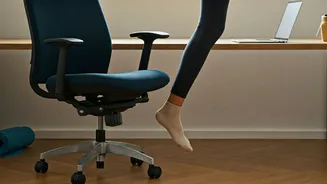
Look for creative ways to weave movement into your daily tasks. Instead of emailing a colleague nearby, walk over to their desk. Opt to take the stairs instead of the elevator. Try having walking meetings, which can stimulate creativity and focus. When you're on a phone call, stand up and pace. You can also perform discreet exercises at your desk, such as calf raises, glute squeezes, or shoulder rolls. Even small adjustments, like placing your printer or water bottle further away, can force you to get up and move more often. The goal is to make movement a natural and frequent part of your workday, not an afterthought.