



Why Fibre Matters
Dietary fibre, the part of plant-based foods that your body can't digest, is a health powerhouse. A high-fibre diet is known to aid digestion, prevent constipation, and help maintain a healthy weight by making you feel fuller for longer. It also plays
a crucial role in managing blood sugar levels, lowering cholesterol, and reducing the risk of chronic conditions like heart disease and diabetes. Experts recommend that adults consume between 25 to 40 grams of fibre daily, but many urban diets, often reliant on refined grains, fall short of this target. The good news is that Indian cuisine is naturally well-suited to a high-fibre diet, and small adjustments can make a big difference.
Upgrade Your Grains: Roti and Rice
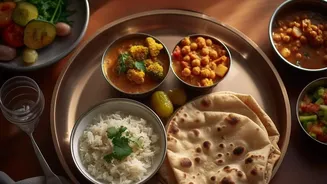
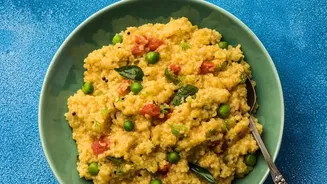
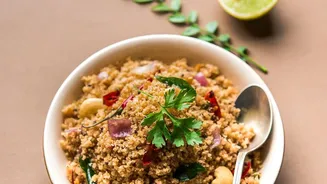
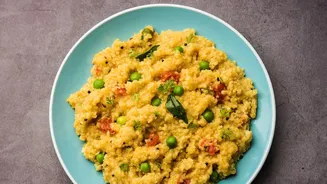
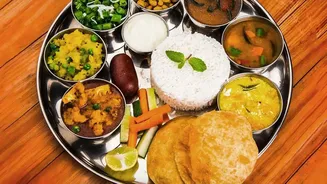
One of the easiest switches is with your staple grains. Instead of using refined white flour (maida) for rotis or parathas, opt for whole wheat flour (atta), which retains its fibre-rich bran. You can boost it further by using multigrain atta or mixing in millet flours like jowar (sorghum), bajra (pearl millet), or ragi (finger millet). These millets not only add fibre but also a host of other nutrients like iron and calcium. Similarly, swap polished white rice for brown or unpolished rice. While white rice has very little fibre, brown rice contains significantly more. Millets can also serve as an excellent, high-fibre substitute for rice in dishes like khichdi and pulao.
Power Up Your Dals and Sabzis
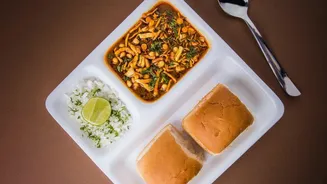
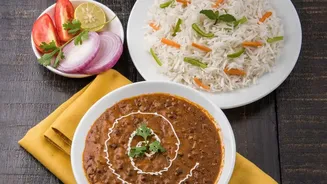
Lentils, pulses, and beans are the backbone of Indian cooking and fantastic sources of fibre. Whole pulses like rajma (kidney beans), chana (chickpeas), and whole moong dal generally contain more fibre than their split and skinned counterparts, though all are beneficial. Aim to include a serving of dal, chana, or rajma in your main meals every day. You can also easily increase the fibre content of any sabzi or curry by simply adding more vegetables. Toss in leafy greens like spinach or methi, or add chopped carrots, beans, peas, and bottle gourd to your dals and gravies. These not only add fibre and nutrients but also bulk up the meal, increasing satiety.
Don’t Discard the Peels
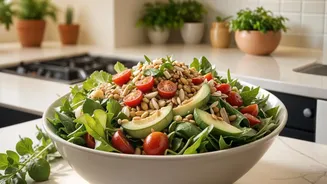
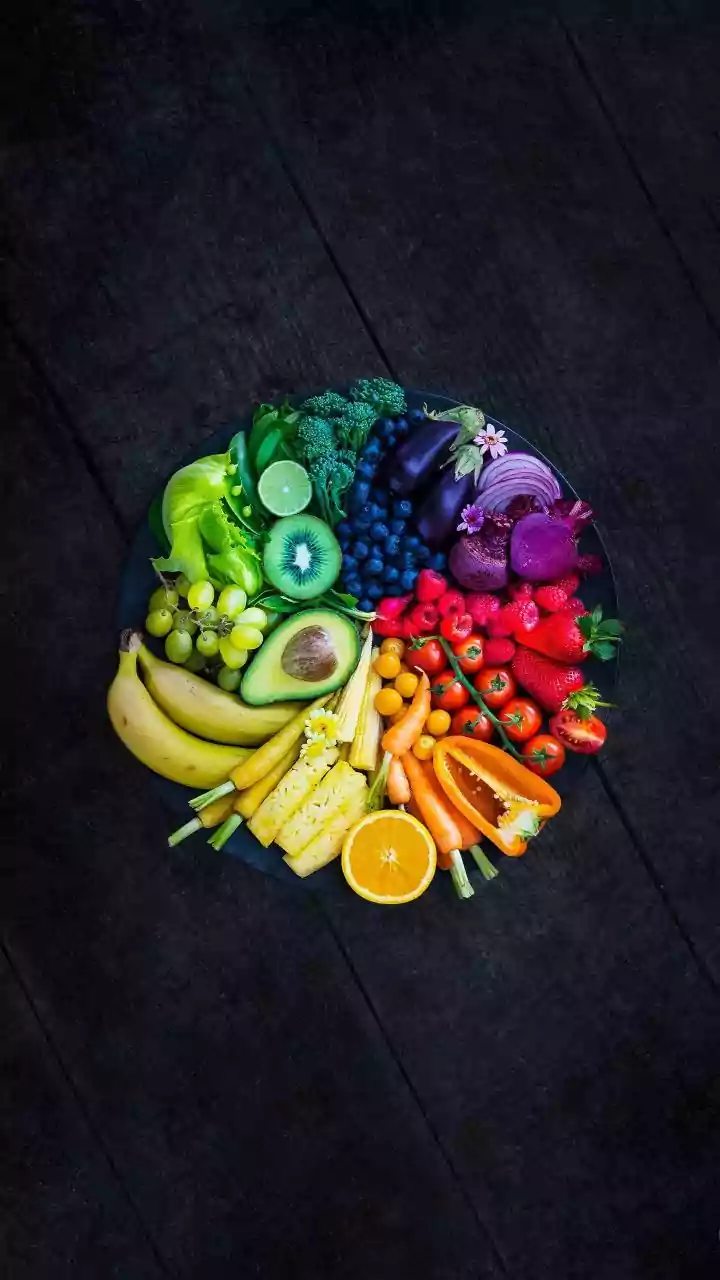
A surprising amount of fibre and nutrients are located in the skin of many vegetables and fruits. Whenever possible, and after a thorough wash, avoid peeling vegetables like potatoes, carrots, cucumbers, and apples. This simple habit instantly increases the fibre content of your salads, sabzis, and snacks without any extra effort. Of course, this applies only to vegetables with edible peels. For a quick fibre-rich side dish, a simple kachumber salad with unpeeled cucumber, tomatoes, and onions is an excellent addition to any meal.
Snack Smarter and Sprinkle Some Seeds
Mid-meal hunger can often lead to reaching for processed, low-fibre snacks like biscuits or chips. Instead, opt for a piece of whole fruit like a guava, apple, or banana. Whole fruits provide significantly more fibre than fruit juices, which are often stripped of their fibrous pulp. A handful of nuts like almonds and walnuts or roasted snacks like chana and makhana are also excellent high-fibre choices. For an almost unnoticeable fibre boost, try sprinkling a teaspoon of ground flaxseeds (alsi), chia seeds, or sesame seeds over your yogurt, salads, or even into your chapati dough.