



Dressing for the Downpour
The key to comfort during a monsoon trek is not staying completely dry—which is nearly impossible—but managing the wetness. Start with a base layer of quick-drying synthetic or wool fabric; avoid cotton at all costs as it absorbs moisture and stays cold.
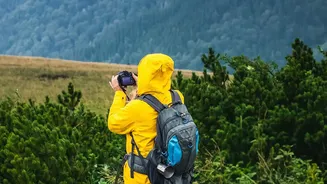
Over this, wear a waterproof yet breathable rain jacket and rain pants. A poncho can be a great alternative, offering better ventilation and coverage for both you and your backpack. Full-sleeve shirts and long pants are recommended to protect against thorns and insects.
Footwear: Your Most Critical Gear
Slippery rocks, muddy paths, and stream crossings define monsoon trails. Your choice of footwear is paramount for safety. Invest in a pair of trekking shoes with deep lugs and excellent grip. While waterproof shoes sound ideal, they can often fill with water and take a long time to dry. Many experienced trekkers prefer non-waterproof shoes with good drainage, paired with waterproof or thick wool socks. Always carry an extra pair of socks to keep your feet as dry as possible at the campsite. Bringing a pair of light sandals or clogs for camp use is also a wise idea.
Protecting Your Pack and Essentials
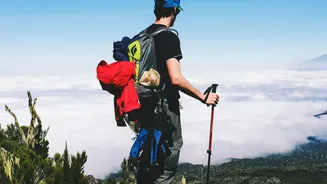
Keeping your clothes, electronics, and food dry is crucial. A reliable rain cover for your backpack is the first line of defense. However, for complete protection, line the inside of your backpack with a large, heavy-duty plastic bag or use several smaller dry sacks to compartmentalize your gear. This ensures that even if your main pack gets damp, your essential items like a change of clothes, sleeping bag, and electronics remain completely dry. Double-bagging electronics in zip-lock bags is an extra, worthwhile precaution.
Navigating Pests and Perils
Monsoon treks mean leeches are a common sight. While they are largely harmless, they can be an annoyance. Wear leech-proof socks or tuck your pants securely into two layers of long socks. Applying a salt solution, tobacco water, or a repellent can also deter them. If a leech attaches, don't panic or pull it off forcefully; instead, sprinkle salt or use a hand sanitizer, and it will detach on its own. Always carry a basic first-aid kit with antiseptic, bandages, and any personal medications.
The Responsible Trekker’s Code
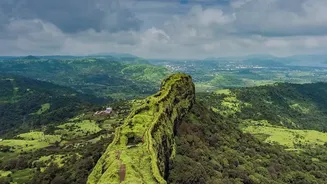
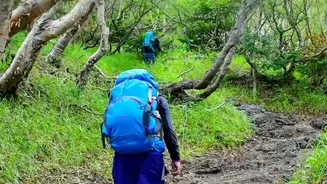
Preserving the pristine beauty of the Western Ghats is the responsibility of every trekker. The core principle is 'Leave No Trace'. Pack out everything you pack in, including all food wrappers and waste. Do not discard biodegradable items like fruit peels, as they can take a long time to decompose and are not native to the ecosystem. Stay on the designated trails to prevent erosion and damage to fragile vegetation. Avoid using soaps or detergents in natural water sources; stay at least 200 feet away for washing. Use of toilets where available is encouraged, if not, dig a cathole far from trails and water bodies and bury your waste.
Respect for Nature and Community
Responsible trekking extends beyond environmental protection. Keep your voice down and avoid playing loud music; respect the tranquility of nature and the experience of fellow trekkers. Observe wildlife from a distance and never feed animals, as it disrupts their natural behaviour and can make them aggressive. Whenever possible, support the local economy by hiring local guides, staying in homestays, or buying local produce. This ensures that the communities who are the custodians of these beautiful landscapes benefit from tourism.