



First, What Is Gut Health?
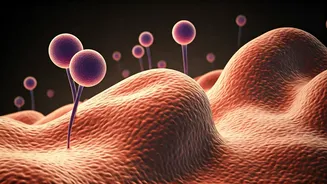
Let’s demystify the term. When we talk about 'gut health,' we're referring to the balance of microorganisms living in your digestive tract. Think of your gut as a bustling city populated by trillions of bacteria, fungi, and viruses, collectively known
as the gut microbiome. In a healthy gut, the 'good' bacteria outnumber the 'bad,' helping with everything from digesting your food and absorbing nutrients to supporting your immune system and even influencing your mood. An imbalance, often caused by stress, poor diet, or antibiotics, can lead to digestive issues, fatigue, and other health concerns. The goal of eating 'gut-friendly' is to nourish and support this internal ecosystem.
Why the Sudden Popularity?
The focus on gut health isn't new, but its explosion into the mainstream is. Several factors are at play. First, a growing body of scientific research is connecting the microbiome to overall health, moving it from a niche interest to a crucial aspect of wellness. Second, the post-pandemic era has seen a collective shift towards proactive health management, with many people looking for natural ways to boost their immunity. Finally, social media and food bloggers have made gut-friendly foods like fermented drinks and sourdough bread look not just healthy, but also trendy and delicious. It’s a perfect storm of science, wellness culture, and great visuals.
Our Traditional Superstars: Probiotics
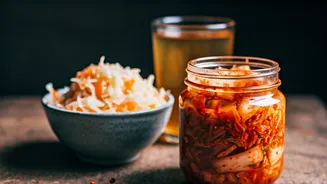
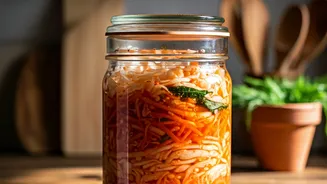
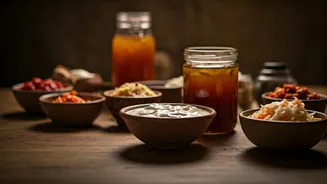
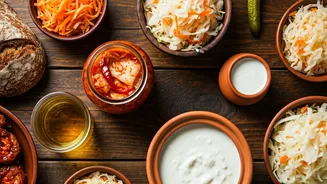
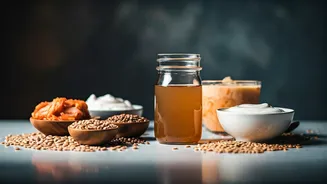
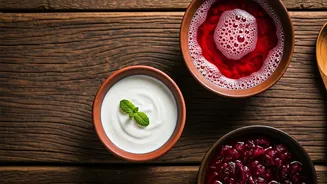
The good news? You don't need to look far for gut-friendly foods. Indian cuisine is packed with them. The most obvious is dahi (yoghurt), a powerhouse of live probiotics. But it doesn’t stop there. The fermented batters for idli, dosa, and dhokla are also teeming with beneficial microorganisms that develop during the fermentation process. These foods pre-digest some of the starches, making them easier on your system. Even traditional pickles (the salt-brined, non-vinegar kind) and drinks like kanji (made from fermented carrots) are excellent sources of probiotics that have been part of our diets for centuries.
The Global Arrivals on Indian Plates
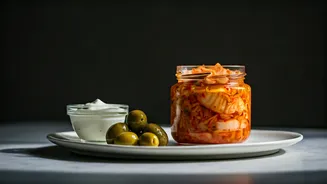
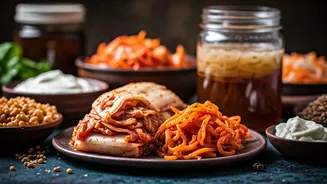
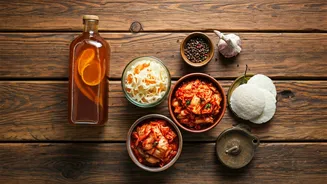
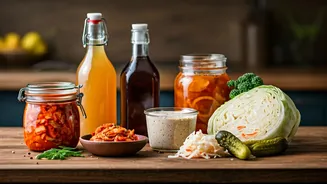
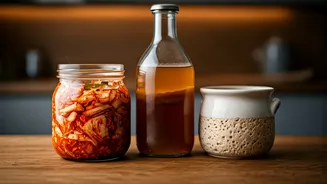
While our traditional foods are fantastic, the global trend has introduced new and exciting options. Kombucha, a fermented tea, is now a common sight in urban cafes and health food stores, offering a fizzy, tangy alternative to sugary sodas. Kimchi, the spicy fermented cabbage from Korea, is another popular choice, adding a flavourful, probiotic punch to meals. And of course, there's sourdough bread. The slow fermentation process breaks down gluten and phytic acid, making it easier to digest than conventional bread for many people. These global stars offer new flavours and textures to explore on your gut-health journey.
Don't Forget to Feed the Good Guys: Prebiotics
Probiotics are the live beneficial bacteria, but they need food to thrive. That’s where prebiotics come in. Prebiotics are types of fibre that your body can’t digest, so they travel to your lower digestive tract and act as food for the healthy bacteria in your gut. Incorporating prebiotics is just as important as consuming probiotics. Luckily, they are found in many everyday foods. Think garlic, onions, bananas (especially slightly unripe ones), oats, apples, and whole grains like barley and wheat. By eating a diet rich in these fibrous foods, you create a welcoming environment for the good bacteria to flourish.
How to Get Started Simply
Feeling overwhelmed? Don't be. You don't need to overhaul your entire diet overnight. Start small. Try adding a bowl of plain dahi to one of your meals each day. Swap your regular bread for a slice of sourdough. Include more onions and garlic in your cooking. When you eat idli or dosa, appreciate the fermentation that makes it so good for you. The key is variety and consistency. Aim to include a mix of different probiotic and prebiotic foods throughout your week to support a diverse and resilient microbiome.