



An End to Mismatched Foundation?
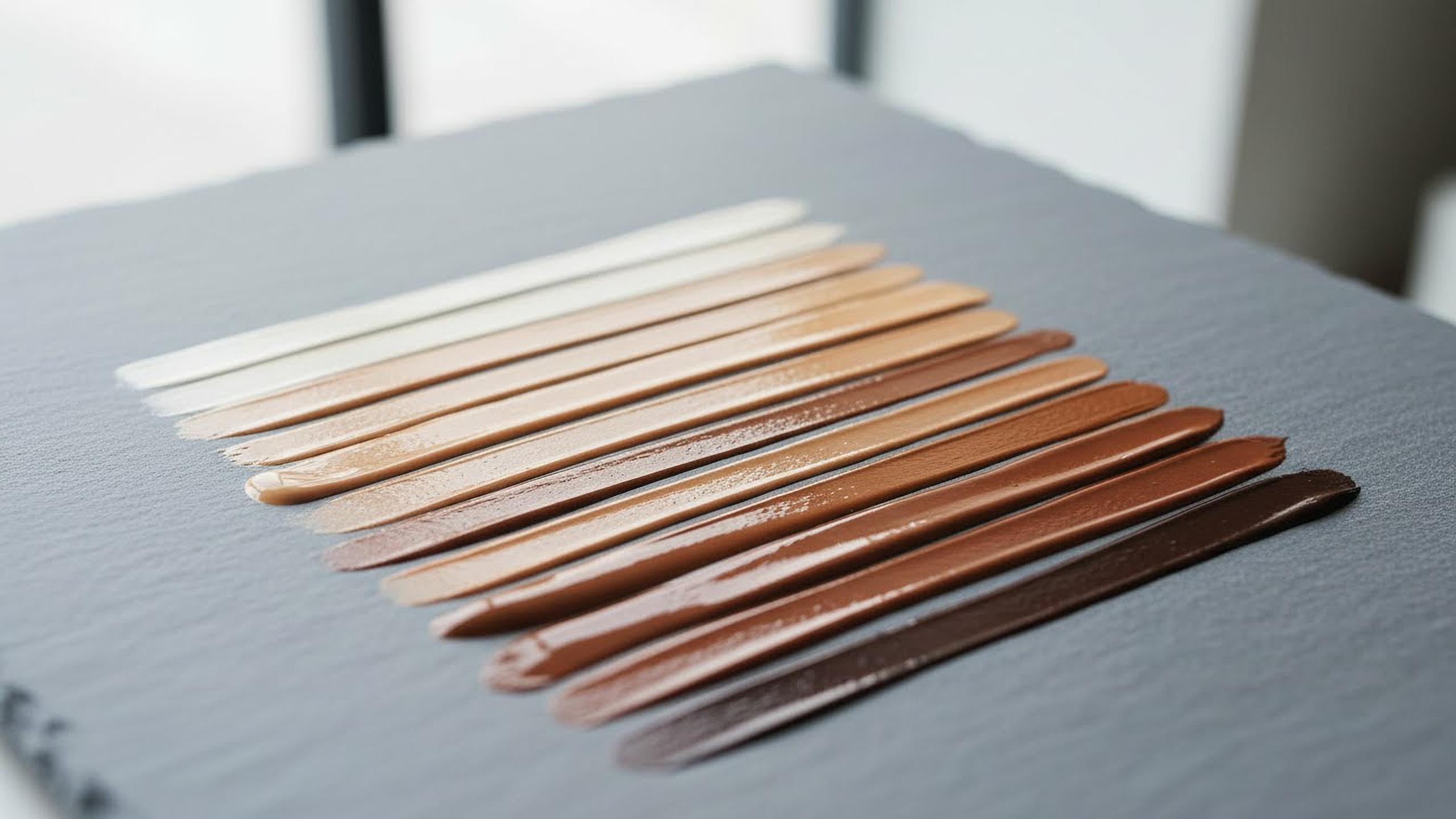
For years, the beauty industry has relied on in-store swatches and educated guesses, a system that often leads to costly mistakes and unused products. According to some estimates, the average woman may purchase the wrong foundation shade multiple times
before finding a true match. But what if technology could eliminate the guesswork? Enter the new wave of beauty tech: Artificial Intelligence (AI) and Augmented Reality (AR) tools designed to analyze your unique skin tone and recommend the perfect product, often from the comfort of your home. These digital shade finders are quickly becoming a staple for major beauty brands, promising a more personalized and accurate shopping experience.
How Does It Actually Work?
At its core, this technology uses your phone's camera or a specialized in-store device to scan your skin. Advanced AI algorithms then get to work. These systems analyze thousands of pixels from your selfie or live video to precisely measure your skin tone and, crucially, your undertones—the subtle cool, warm, or neutral hues beneath your skin's surface. Some tools, like L'Oréal's Match My Shade, analyze over 60 key points on your face and compare your skin to a massive database of over 45,000 skin tones to find your match with high accuracy. Others, like those from Perfect Corp., which powers tools for brands like MAC and Clinique, use AI to analyze a photo or live camera feed to identify subtle variations in your complexion.
In-Store Scanners vs. At-Home Apps
There are generally two ways to experience this tech. The first is through in-store devices, like Sephora's Color iQ system. Here, a trained employee uses a handheld device to take a highly accurate scan of your skin under controlled lighting. This generates a unique code that corresponds to a library of foundation shades available in the store. The second, and increasingly popular, option is through brand websites and mobile apps. These tools use your phone’s camera for a virtual try-on experience. Brands like L'Oréal, Maybelline, and IT Cosmetics offer tools that allow you to take a 360-degree selfie video, which the AI then analyzes to recommend shades. Some brands in India, like Lovechild by Masaba, use an AI-powered quiz to help you find your match.
But Is It Foolproof?
While impressive, the technology isn't perfect. The biggest challenge for at-home apps is lighting. Your results can vary dramatically depending on whether you are in bright, natural daylight or under warm indoor lighting. The quality of your phone’s camera can also affect the outcome. Some users find that while virtual try-ons are fun for lipsticks, they can be less reliable for foundation, where a perfect match is critical. Experts still recommend using the technology as a starting point. It can expertly narrow down a brand's offerings from dozens of shades to just two or three likely candidates, saving you time and confusion. However, the final decision may still require a bit of human judgment.
Tips for Getting Your Best Match
To get the most out of these AI shade finders, a little prep goes a long way. First, always take your photo in bright, even, natural light—near a window is ideal. Avoid harsh shadows or direct sunlight. Make sure you’re using your bare, makeup-free skin for the analysis. When using a live try-on tool, hold your phone steady and look straight ahead. If the tool offers a 360-degree video scan, do it slowly to allow the AI to capture your skin from different angles. Finally, use the recommendation as a guide. If the tool suggests three shades, try to see swatches in person or look up reviews from people with a similar skin tone before making your final purchase.