






In the dense forests of Central India, a quiet and ancient practice unfolds daily. Tribal communities venture into the woods not just to find food, but to engage in a reciprocal relationship with nature that is proving vital for its survival.
The Forest as a Living Pantry
For generations,
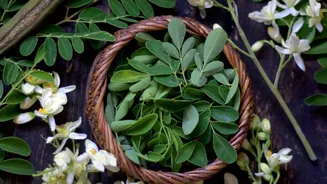
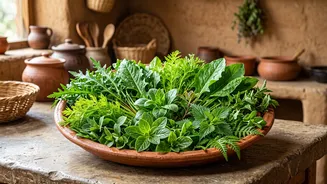
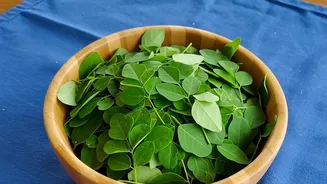
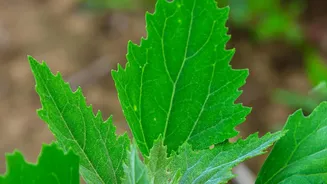
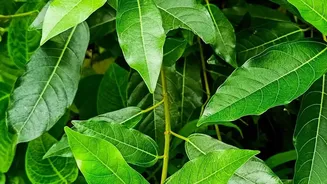
indigenous communities like the Gond and Baiga across states like Madhya Pradesh and Chhattisgarh have relied on the forest for sustenance. They call the wild leafy vegetables they gather 'ranbhaji', or forest vegetables. This is not just a marginal food source; it is a cornerstone of their diet and culture, a living pantry that provides an astonishing variety of greens, especially during the monsoon season when cultivated vegetables can be scarce. This practice involves collecting leaves, stems, flowers, and fruits from a wide array of plants, a system built on centuries of accumulated ecological knowledge passed down through generations. For these communities, the forest is not a resource to be exploited, but a provider to be respected, with cultural and spiritual practices often woven into the act of harvesting.
A Gentle Harvest That Nurtures the Woods
The key to this sustainable relationship lies in how the foraging is done. These are not random acts of gathering but a sophisticated system of resource management. Foragers practice selective harvesting, taking only what is needed and often only a small portion of any single plant, ensuring its survival and regeneration. They might collect mature leaves while leaving younger ones to grow, or carefully harvest fruits while allowing some to fall and propagate new seedlings. This traditional ecological knowledge (TEK) includes an intimate understanding of plant life cycles, ensuring that harvesting does not disrupt crucial growth periods. Some practices even actively support biodiversity; by creating small clearings or turning over soil, foragers can create micro-habitats that allow different plant species to thrive, mimicking the natural disturbances that are essential for a healthy forest ecosystem.
A Nutritional Powerhouse on the Plate
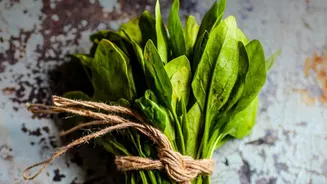
Beyond their ecological benefits, these foraged greens are a nutritional goldmine. Studies have shown that many wild edible plants are far richer in essential micronutrients than their commercially cultivated counterparts. Wild leafy vegetables are often packed with vitamins A and C, iron, calcium, and essential fatty acids. For example, some varieties contain significantly more protein, fibre, and minerals than spinach or fenugreek. In regions where malnutrition and anaemia can be persistent challenges, this readily available, free source of nutrition plays a critical role in public health, providing dietary diversity and preventing deficiencies known as 'hidden hunger'. This makes the forest a pharmacy as much as a pantry, offering remedies and robust health through its bounty.
Stewards of a Shared Future
The connection between the communities and their forests creates a powerful incentive for conservation. Because their livelihoods, health, and cultural identity are deeply intertwined with the well being of the ecosystem, these tribal groups act as its natural guardians. Their knowledge systems offer invaluable lessons in sustainable living, demonstrating how humans can be a beneficial part of the ecosystem rather than a destructive force. These practices, from maintaining sacred groves that protect rare species to traditional farming methods that prevent soil erosion, contribute directly to the resilience of the entire landscape. The act of foraging fosters a sense of stewardship, a deep, personal investment in the health of the biodiversity that sustains them.
Ancient Wisdom Under Modern Threats
Despite its proven benefits, this ancient way of life is facing unprecedented threats. Rapid deforestation, industrial agriculture, and the displacement of communities are shrinking the forests these groups depend on. As younger generations move to urban areas or adopt modern lifestyles, there is a real danger that this invaluable traditional ecological knowledge could be lost. The erosion of these practices is not just a cultural loss; it represents the loss of a vital, time tested model for sustainable resource management and food security. Organizations are now working to document this knowledge and support these communities, recognizing that their wisdom is essential for building a more sustainable and food secure future for all.